“The credit quality of sovereigns with thinner rating cushions could slip in the scenario of a protracted energy market disruption. In Southeast Asia, we believe the sovereign ratings on Indonesia would be more vulnerable if the conflict drags on,” S&P said in a report on Tuesday.
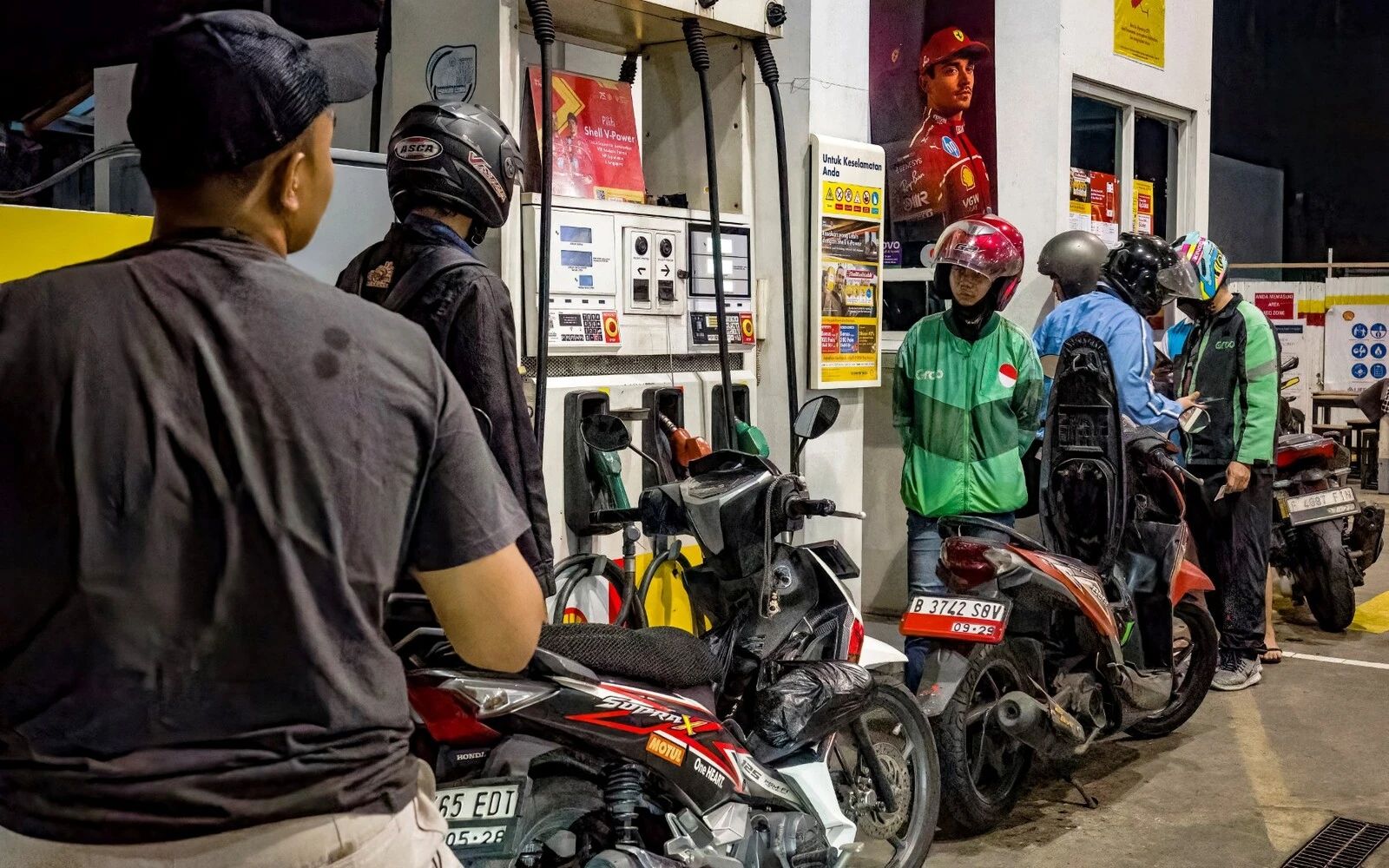
Higher energy prices will increase Indonesia’s subsidy costs and weigh on its budget, while costlier oil imports will widen the current account deficit, S&P said.
Faster inflation could also lead to higher market interest rates, which would push up the government’s borrowing costs.
Meanwhile, Malaysia is seen as well-placed to weather the global energy shock despite its subsidy bill and budget deficit likely higher than planned this year.
Deep capital markets and sound economic growth “mean that a one-off deterioration of its fiscal performance, or a moderate increase in its debt metrics are unlikely to trigger a rating action,” S&P said.
Thailand faces a potential slowdown in the economy and the erosion of its fiscal space, but it has “important credit strengths” such as sound monetary and external settings that will help it withstand risks, according to S&P.
Vietnam has sufficient buffers, although a prolonged surge in energy import costs and lower foreign exchange reserves could weaken its external liquidity.
S&P’s base case assumes the Iran war’s intensity will peak and the Strait of Hormuz’s effective closure will ease this April, but some disruptions could persist for months because of the damage to energy infrastructure in the Middle East.
This scenario assumes Brent crude will average US$85 per barrel for the remainder of 2026.