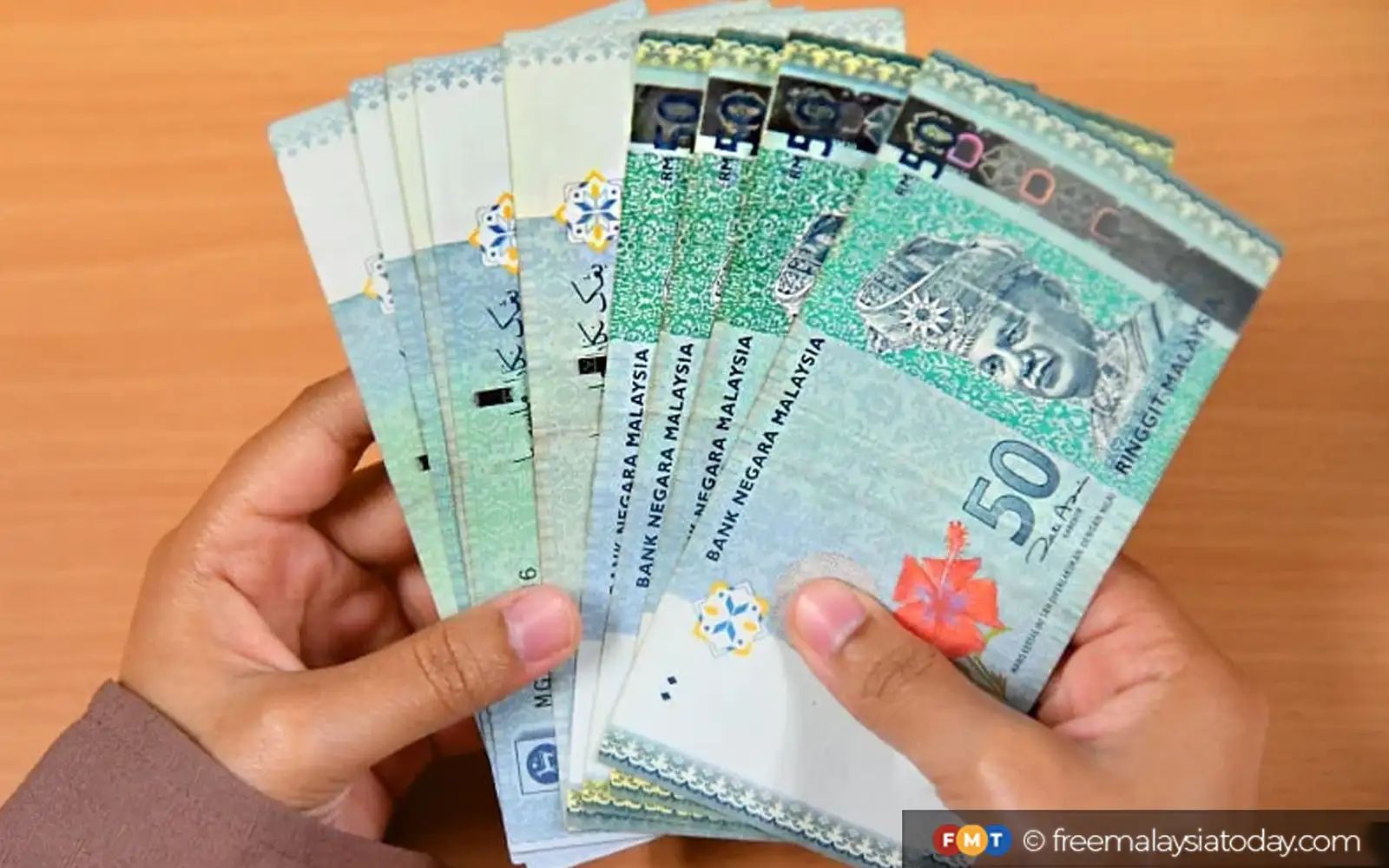
The currency has rallied after sliding 4% in March as the Iran war sapped global risk sentiment. It’s back on track to test resistance at 3.88 per dollar, the level it reached just before the outbreak of the conflict, versus current levels around 3.95. The likes of Loomis Sayles & Co and Deutsche Bank AG also see the currency continuing to strengthen.
The ringgit can push to fresh 2026 highs, according to Hassan Malik, a global macro strategist at Loomis Sayles, an affiliate of Natixis Investment Managers. “Malaysia offers a relatively rare mix of resilient growth, credible macro management, distance from key geopolitical flashpoints, and a diversified economy spanning oil to data centres,” he said.
Gains have been supported by strong exports and a surge in investment tied to Malaysia’s fast-growing data centre industry. The country has emerged as Southeast Asia’s main data centre hub, attracting companies from Oracle and Amazon to Alibaba Group Holding and ByteDance.
Malaysia’s economy expanded a faster-than-expected 5.5% in the first quarter after growing 5.2% last year, its fastest pace since 2022, with exports a key driver. Investors will look to trade data due Monday for clues on whether the US-Iran conflict has begun to weigh on one of the ringgit’s main supports.
The country’s robust cyclical fundamentals going into the conflict, status as a net energy exporter, and linkages to the global tech capex cycle put the ringgit at a relative advantage within the region, according to Sameer Goel, Deutsche Bank’s global head of emerging markets and APAC research.
The ringgit will revisit the 3.85 to 3.90 range versus the dollar this year, Goel said.
That dovetails with the view of Oversea-Chinese Banking Corp.’s Christopher Wong, who said it should find support around 3.90 to 3.92, with a sustained break lower opening the door to a retest of this year’s low.
“Fundamentals have not shifted,” he said. “Growth momentum remains intact, alongside higher commodity prices – and these drivers should continue to underpin foreign inflows.”