Natural gas is used to power the production of urea, a key part of the lifeline fertilisers used by India’s vast agriculture sector, making it deeply sensitive to global energy price swings.
The slump comes after Iran effectively closed the Strait of Hormuz, through which key energy supplies and fertiliser-linked inputs pass, after the US and Israel launched their war on the country on Feb 28.
A third of the world’s fertilisers normally transit the waterway, and the disruption has prompted multiple warnings about the impact on food production
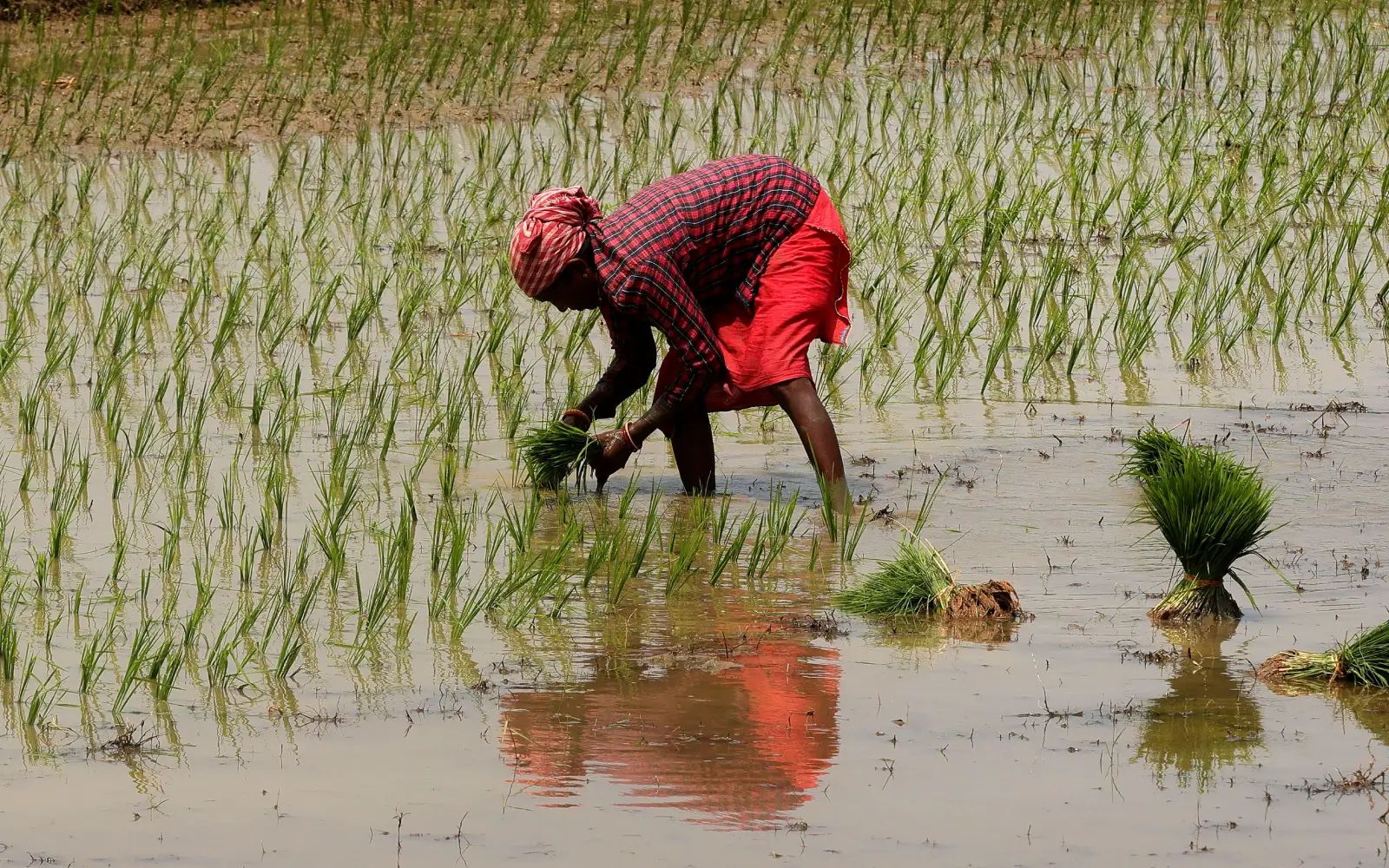
Individual farms are small and often unproductive, but agriculture employs more than 45% of people in India, the world’s most populous nation.
“Fertiliser production declined by 24.6% in March 2026, over March 2025,” the ministry of commerce said in a statement late Monday.
The drop came after output had risen 3.4% in February, 3.7% in January and 4.1% in December 2025.
India’s ministry of petroleum has insisted there are “adequate stocks of fertilisers available” and that the “sourcing of fertilisers is being diversified across multiple countries”.
India’s fertiliser demand peaks during the Kharif sowing season, from June to July, ahead of the monsoon rains, and then again for the Rabi season, from October to November, for sowing of winter crops.
Earlier in April, India hiked subsidies for fertilisers 11% to protect farmers from surging prices.
India relies on imports for supplies of urea, as well as raw materials such as rock phosphate, phosphoric acid and potash, which are key components of fertilisers.
Disruptions to fertiliser supplies caused by the Middle East war pose a double threat to global food security, the World Trade Organization warned last month.