Market sentiment had turned more positive over the past week as traders bet on a de-escalation in the US-Israel war on Iran, which has severely disrupted Middle East oil and gas supplies since it began in late February.
But they readjusted this view on Tuesday after the US said on Monday it had carried out what it called defensive strikes in southern Iran. As talks continue, US Secretary of State Marco Rubio said on Tuesday negotiating a deal with Iran could “take a few days”.
At 1051 GMT, the STOXX 600 was down 0.2% on the day, but still close to its highest since the war began. London’s FTSE 100 was up 0.7% on the day, while Germany’s DAX was down 0.5%. The MSCI World Equity Index was flat, but up 3.8% so far this month.
Peter Schaffrik, global macro strategist at RBC Capital Markets, said that uncertainty in the Middle East was weighing on markets.
“It went from agreement is near to everyone needs to sign the Abraham Accords to bombing, so it’s not entirely clear what’s going on there,” he said, referring to US President Donald Trump saying on Monday he had told additional countries to sign the Abraham Accords as he tried to negotiate an agreement to end the war.
Still, Wall Street futures pointed to more gains for stocks in the US session, with S&P 500 e-minis up 0.7% EScv1 and Nasdaq e-minis up 1.1% on the day NQc1.
Oil prices rose, with Brent crude futures up 2.4% on the day at US$98.50 a barrel LCOc1. US West Texas Intermediate CLc1 was down 4.7% from Friday’s close at US$92.04. There was no WTI settlement on Monday due to the US Memorial Day holiday.
Still, there was some underlying optimism in the market, Schaffrik said, as traders held on to hope that the Strait of Hormuz could reopen to traffic soon. Brent crude has come down significantly from its late April peak above US$120.
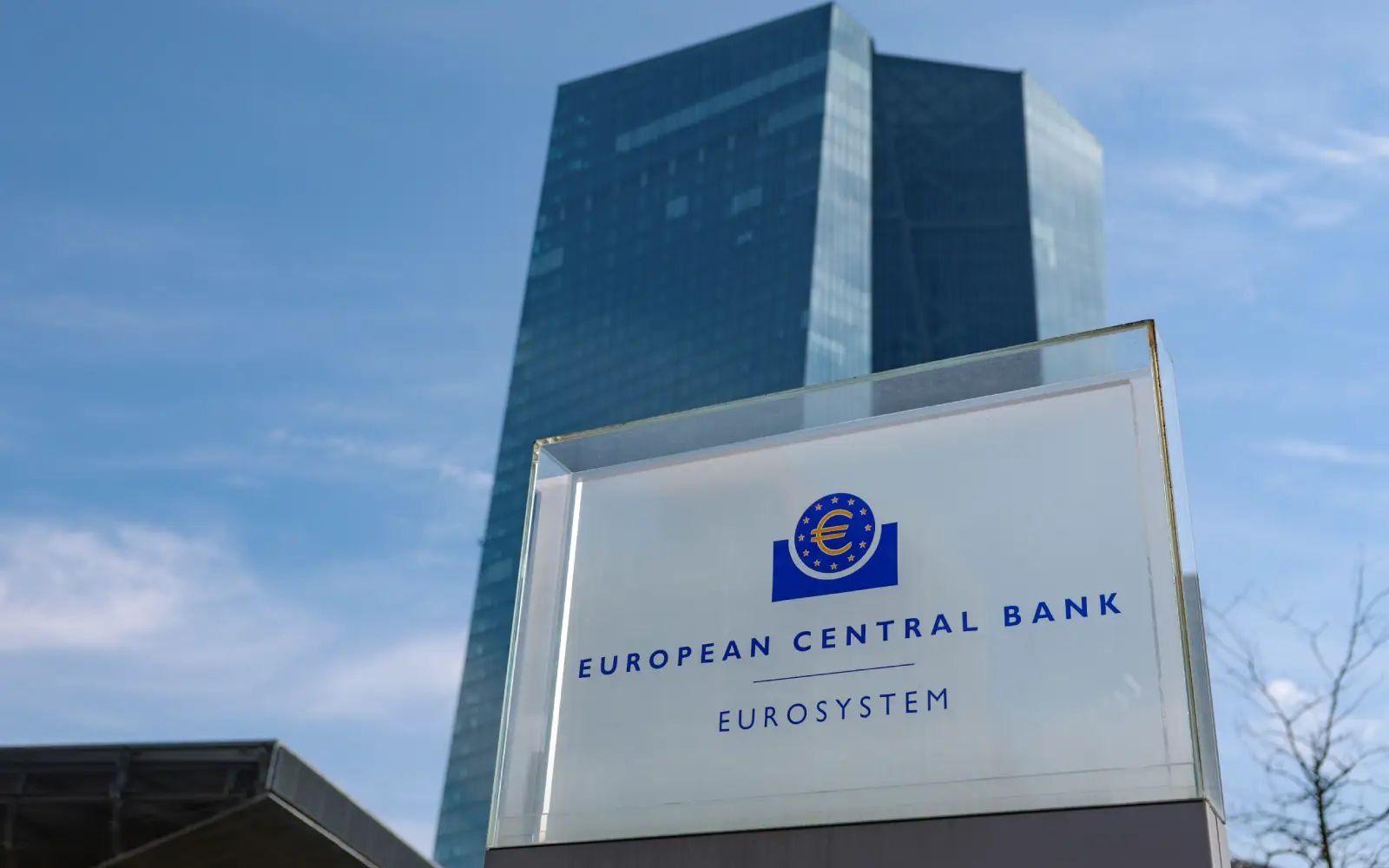
European traders were also weighing up comments by European Central Bank (ECB) board member Isabel Schnabel, who told Reuters that the central bank should raise interest rates in June even if ongoing peace talks with Iran yield a deal.
The conflict has been far longer than projected and high energy prices are spilling into the broader economy, she said.
Money market traders are pricing in about a 90% chance of a hike at the ECB’s June meeting.
European bond yields rose following the US strikes, but the benchmark 10-year German yield was still close to its lowest in almost seven weeks at 2.9642%.
Yields fell last week as investors became less concerned about the war’s impact on inflation and growth. US government bonds rallied as investors were still hopeful about a deal to re-open the Strait of Hormuz.
The US dollar was steady, with the dollar index at 99.026 and the euro flat on the day at US$1.1642. The dollar was up 0.1% against the Japanese yen at 159.12 yen.
Gold was down around 0.8% on the day at US$4,534.86.