The White House said vice president JD Vance was ready to fly back to Pakistan, which was noticeably preparing for a second round of talks on ending the war that has engulfed the Middle East and shaken global markets.
But Tehran’s cleric-run government kept up uncertainty on its participation, accusing the United States of violating a soon-to-expire ceasefire through its blockade of Iranian ports and seizure of a ship.
“We have no plans for the next round of negotiation, and no decision has been made in this regard,” Iranian foreign ministry spokesman Esmaeil Baqaei said.
“The US is carrying out behaviours that do not in any way indicate seriousness in pursuing a diplomatic process.”
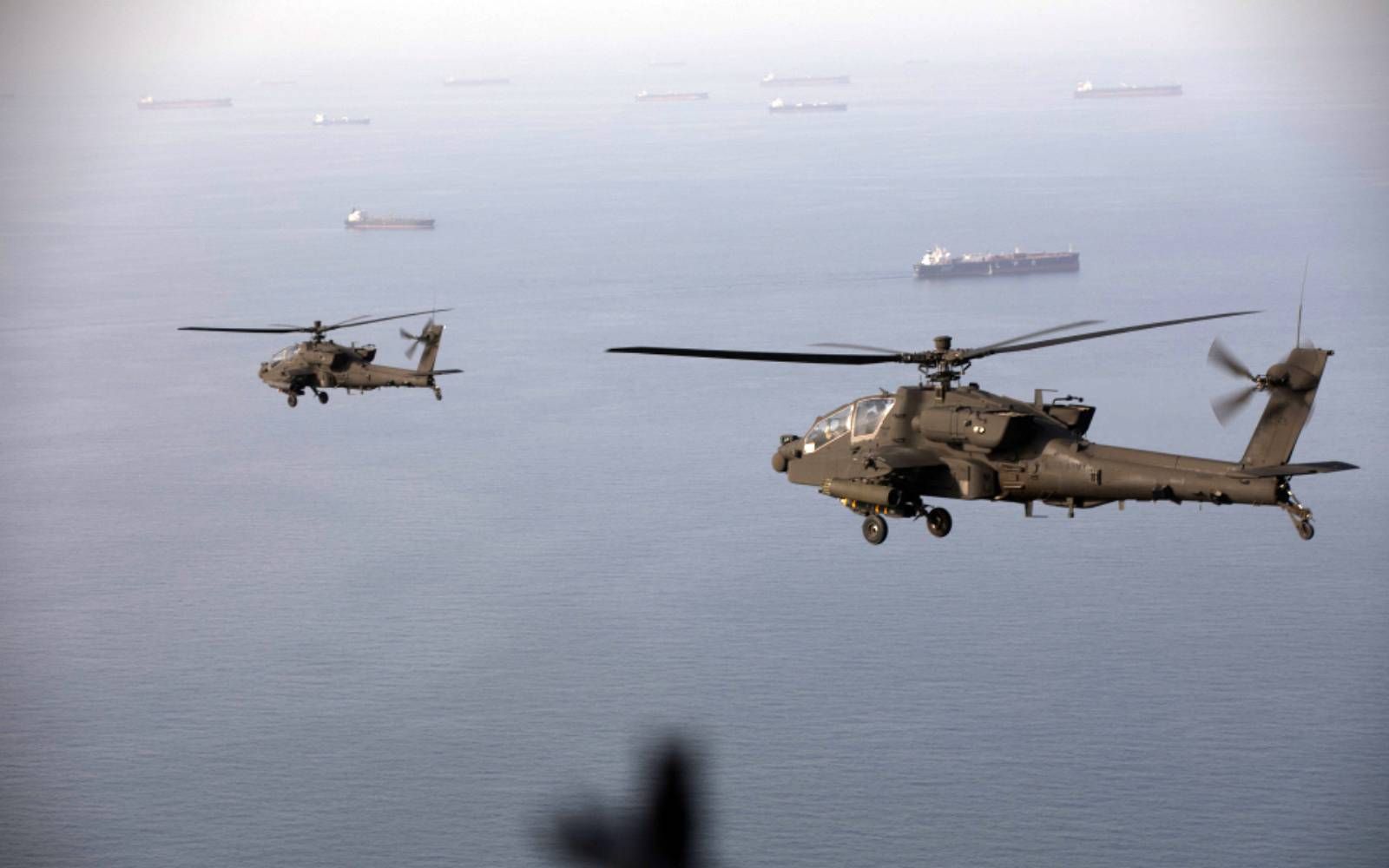
Trump has similarly accused Tehran of violating the truce by harassing vessels in the Strait of Hormuz, the transit passage for one-fifth of the world’s oil that Iran had all but shut in retaliation for the war launched by the United States and Israel.
In one of a series of angry posts on his Truth Social platform, Trump insisted that the blockade was “absolutely destroying” Iran and said it will not end “until there is a ‘DEAL’,” in which the United States is pressing for Iranian concessions on its contested nuclear programme.
Trump told PBS News that Iran was “supposed to be there” at the talks in Pakistan.
“We agreed to be there,” he said, warning that if the ceasefire expired “then lots of bombs start going off”.
He separately told Bloomberg News it was “highly unlikely” he would extend the two-week truce.
Based on its start time, the truce theoretically expires overnight Tuesday, Tehran time, although in his comments to Bloomberg, Trump said the end was a day later, on Wednesday evening Washington time.
Oil prices jumped sharply on Monday over fears hostilities could resume in the weeks-long war, after Iran closed the Strait of Hormuz again following a brief reopening over the weekend.
In Tehran, where the main airports reopened on Monday, life appeared largely back to normal, with cafes crowded and people out exercising and strolling in parks.
But city residents who spoke to Paris-based AFP journalists said the situation was far from rosy.
“Let’s see what happens by Tuesday. The only thing that the 50 days of war has shown is that no one cares about the Iranian people,” one 30-year-old doctor said on condition of anonymity.
Saghar, 39, said there was little hope for Iranians squeezed by the government and the war’s impact.
“The economy is horrible. They detain people for nothing,” she said, declining to give her family name.
Elusive off-ramp
Vance’s delegation – which also includes Trump’s real-estate friend turned globe-trotting negotiator Steve Witkoff and Trump’s son-in-law Jared Kushner – is set to depart for Pakistan “soon”, a source familiar with the plan told AFP.
Trump, who has seen his poll numbers drop and wide opposition domestically to the war, has been under pressure to find an off-ramp.
But the naval blockade to cut off Iran’s oil revenues and the seizure of a cargo ship allegedly trying to evade it have led Iran to renew its threats.
The ISNA news agency cited a spokesperson for Iran’s central command centre as warning that the military “will soon respond and retaliate against this armed piracy”, while Tasnim reported Tehran had sent drones in the direction of US military ships.
Iran’s Revolutionary Guards have warned that any vessel attempting to pass through the Strait of Hormuz without permission “will be targeted”.
Hezbollah defiant
A separate ceasefire agreed between Israel and Lebanon took effect on Friday and included Hezbollah, whose rocket fire in support of Iran drew Lebanon into the war.
Israel’s military on Monday warned Lebanese civilians against returning to dozens of villages in southern Lebanon, claiming Hezbollah’s activities were violating the truce.
Nonetheless, thousands of displaced residents have begun making their way back to southern Lebanon since the ceasefire began.
Hezbollah lawmaker Hassan Fadlallah told AFP on Monday his group would work to break the “Yellow Line” that Israel has established in the south, even as he said it wanted “the ceasefire to continue”.
Israeli attacks on Lebanon have killed at least 2,387 people since the start of the war, a Lebanese government body said in its latest toll.
Another major issue in the US-Iran negotiations has been Tehran’s stockpile of enriched uranium, which Trump said on Friday it had agreed to hand over.
But Iran’s foreign ministry has said the stockpile, thought to be buried from US bombing in last June’s 12-day war with Israel, was “not going to be transferred anywhere”.
Baqaei said handing over uranium was “never raised as an option” in talks with US negotiators.