There are four main types of diabetes-related neuropathy: peripheral, autonomic, proximal, and focal.
Peripheral neuropathy
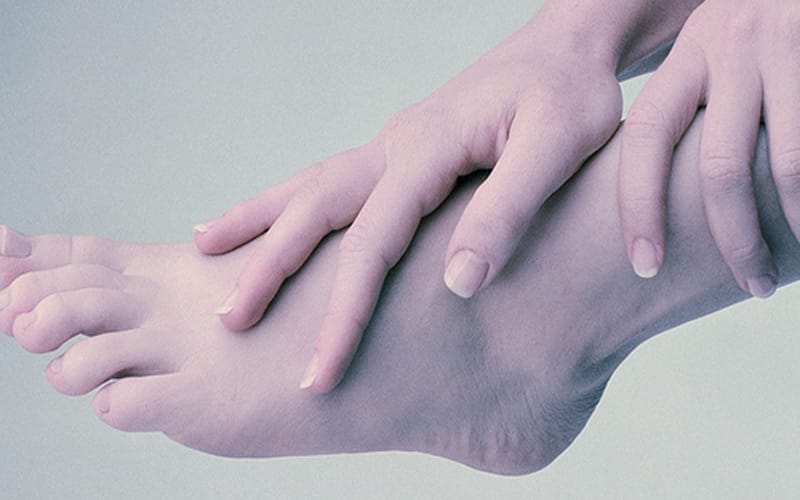
This is the most common form of diabetes-related neuropathy and most often affects the feet and legs. It can also affect the hands, arms, back and abdomen.
Symptoms are varied from mild to severe and may become worse at night. Patients usually experience pain, burning, a tingling sensation, increased sensitivity to touch or loss of feeling (that may become permanent), muscle weakness, and loss of reflexes.
Peripheral neuropathy can also cause serious foot problems such as deformities, infections and ulcers.
Autonomic neuropathy
This is the second most common type of diabetic neuropathy and affects the nerves that controls the body’s internal organs.
The organs controlled by the autonomic nervous system include the digestive system, sweat glands, sex organs, cardiovascular system and bladder.
Nerve damage to the digestive system causes difficulty in swallowing, constipation, and gastroparesis (slow stomach emptying) which in turn leads to bloating, nausea and vomiting as well as loss of appetite.
Autonomic neuropathy can also cause sexual problems, such as erectile dysfunction in men and vaginal dryness in women.
Nerve damage to the cardiovascular system can result in changes to blood pressure and heart rate, causing patients to feel dizzy, light-headed or to faint. It can also lead to heart attacks and strokes.
Focal neuropathy
Also called mononeuropathy, it occurs when there is damage to a specific nerve or group of nerves.
This type most often affects the face, torso, and leg and usually appears suddenly and causes severe pain. However, it usually disappears in a few weeks or months and doesn’t leave any lasting damage.
Symptoms of focal neuropathy depend on which nerve is involved and can result in double vision, inability to focus, pain behind one eye, Bell’s palsy (Paralysis on one side of the face), pain in the shin or foot, pain in the chest, abdomen, lower back, pelvis, pain in front of the thigh.
Proximal neuropathy
This less common form of neuropathy causes pain in the thighs, hips, buttocks, legs and usually affects one side of the body. Also called femoral neuropathy or diabetic amyotrophy, this condition is more common in older adults with type 2 diabetes.
Treatments for diabetic neuropathy
There is no cure for diabetic neuropathy, but treatment can help slow the disease’s process. Treatment can also help diabetics manage symptoms, such as indigestion, constipation, and pain.
Patients can relieve the pain from diabetic neuropathy by taking medications such as over-the-counter ibuprofen and acetaminophen, that may help relieve mild to moderate pain.
Other medications for pain management are opioids while treatment options include light therapy, electric nerve stimulation or acupuncture.
The most important thing to lower the risk of developing diabetic neuropathy is to keep blood sugar levels within the target range.
Exercising regularly and quitting smoking can also be parts of a comprehensive treatment plan.
This article first appeared in hellodoktor.com. It was reviewed by Dr Duyen Le. The Hello Health Group does not provide medical advice, diagnosis or treatment.