With less movement came less interaction with the natural habitat. This saw animals reintroducing themselves to areas they had once left.
Irshad Mobarak, one of Malaysia’s most celebrated naturalists, said the lack of tourist activity in Langkawi had brought about a host of ecological benefits.
“Jet skis, speed boats, parasailing weren’t happening the way they once did,” he told FMT.

“The dolphins have returned in greater numbers than before and they come closer to the shore, even in Pantai Cenang, the busiest beach before the pandemic.”
He said activities like boat rides through mangrove-lined rivers would erode the riverbed and cause mangrove trees to topple. The year without them had allowed the banks to recover, he added.
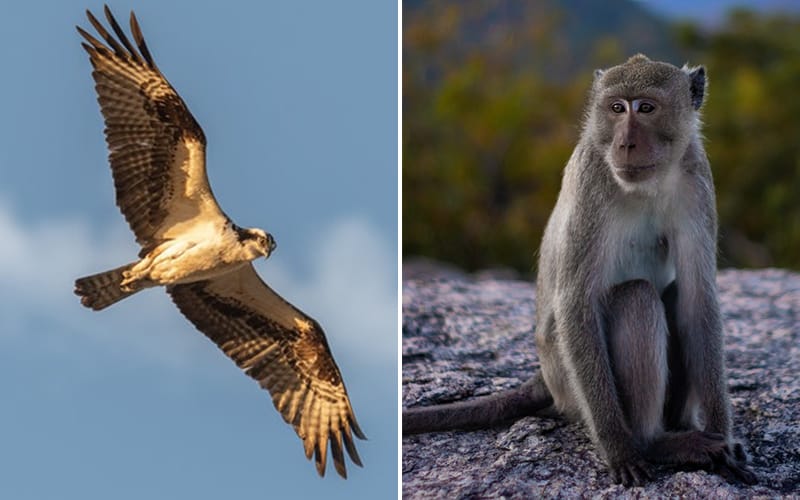
He acknowledged that some animals like eagles and monkeys that had grown to rely on tourists feeding them “may have suffered a bit”, but he said feeding wildlife was a bad practice to begin with and that the year had provided the animals with a chance to reset and return to their natural state.
“Some people might say, ‘What’s wrong with feeding the animals?’ But it’s not natural. Chickens, for example, might come from farms and could have hormones in them.
“For over a decade, these animals have become accustomed to humans feeding them. So they may not have eaten as much without tourists, but it’s better for them to live more naturally.”

Malaysian Nature Society president Ahmad Ismail said it was good to see that animals had more room to roam without people encroaching on their habitat.
But he said run-ins with human communities were evidence that better conservation efforts were needed. “For example, there were elephants reported in human settlements in Gerik and there have even been otter sightings in city rivers around Kuala Lumpur.
“If animals have enough space for themselves, there will be less interaction with humans, which can be dangerous for them.”
He said conflicts with people could be avoided if conservation efforts were to provide wildlife with sufficient habitat.
Irshad said he wished tourism operators could have taken the last twelve months to retrain themselves in order to better promote ecotourism.
He said some of their past activities did more harm than good but acknowledged that bad habits were hard to break.
“Just because tourism is in nature doesn’t make it ecotourism,” he said. “Ecotourism should be about going to natural places to enjoy the natural world, in its natural state, without impacting the landscape or the behaviour of wildlife.
“Unfortunately, eagle feeding sells, monkey feeding tours sell, speedboat rides through the mangroves sell. It would have been great if the authorities had done more to educate better practices.”