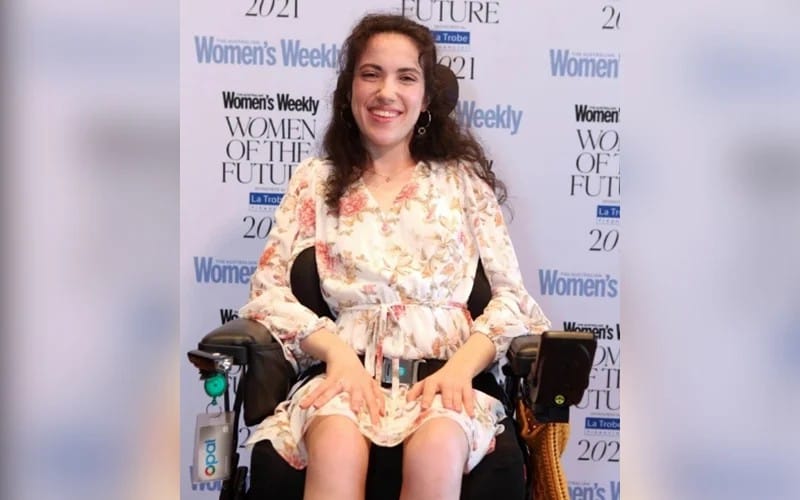
Sydney resident Diviney said she believes her life, and journey towards self-love and acceptance, would have been different if she had seen positive representations of people with disabilities in movies while growing up.
“The campaign is basically to create a disabled Disney princess and the reason for that, specifically, is because Disney princesses are the ones that get the most visibility,” Diviney told Reuters.
“They are the ones you see on the bedspreads, toys, books, birthday parties and Halloween costumes and all of that, so I wanted to go for maximum visibility with my choice there.”
Diviney began an online campaign for Disney to create a princess character with disabilities in 2020 and the petition has now received 64,000 signatures.
The 23-year-old, who is an editor for an online news platform for women and recently starred in Australian TV series “Latecomers”, said it was hard growing up feeling different from the other kids.
Diviney last year called out Beyonce and Lizzo on Twitter for using “spaz”, a derogatory term for spastic diplegia, in their songs. Both artistes later removed the ableist slur after her tweets went viral and recorded the songs again.
Cerebral palsy affects a person’s ability to move and maintain posture, affecting around 0.1% of Australia’s near 26 million population. The most common type is spastic diplegia, which Diviney is diagnosed with.
“‘Spaz’ has been popularised as a sort of slur or cultural shorthand to mean someone losing control or being unintelligent or having no control of their emotions,” she said.
“It was definitely a word that kids use in the playground, sometimes at me, sometimes around me.”