
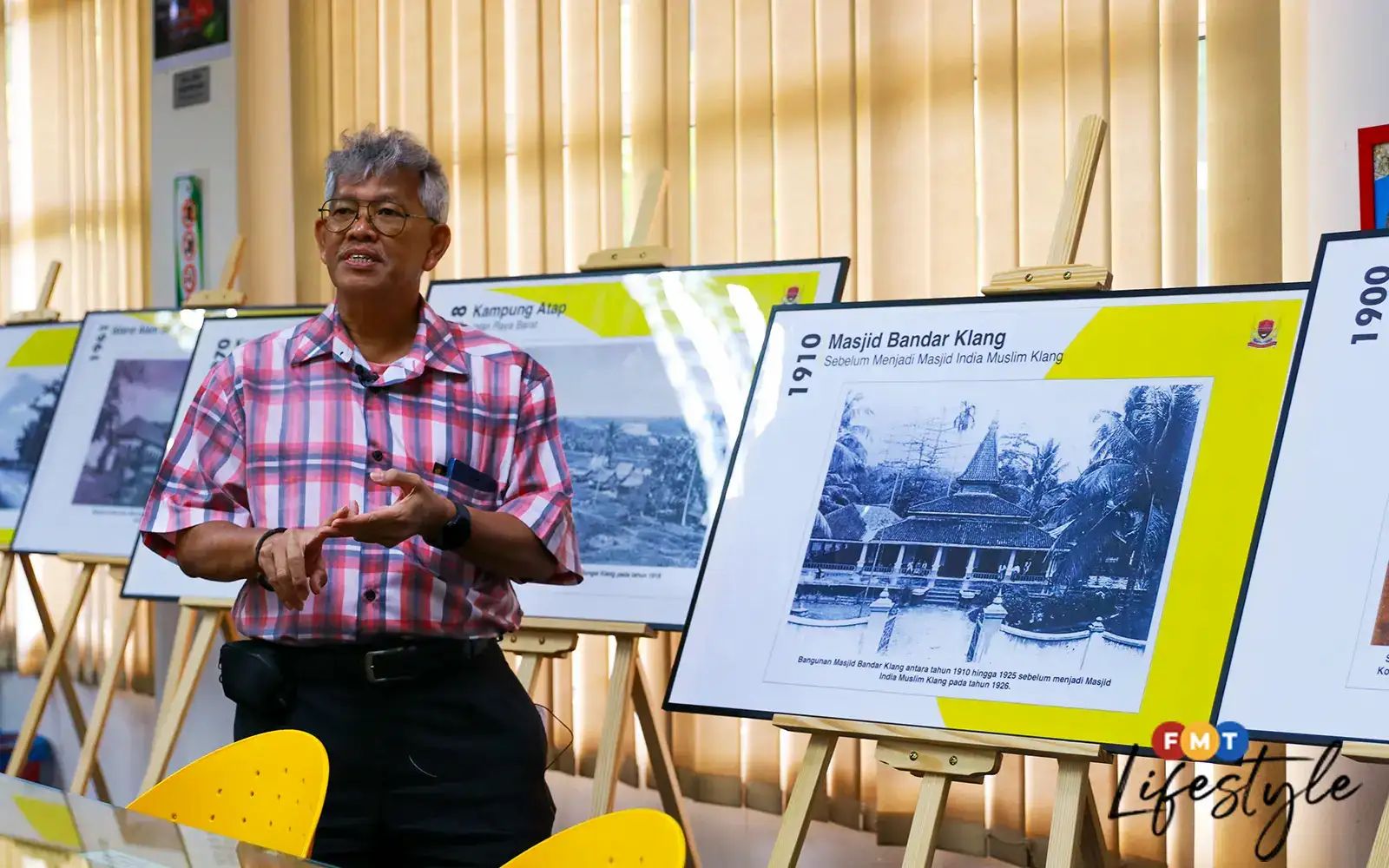
Lined with pre-war shophouses, Jalan Tengku Kelana is located in the centre of the city. FMT Lifestyle recently caught up with Faisal Surani, a curator with the Klang Royal City Council, to find out more about this historic destination.
“Not many people know that Tun Perak used to live here in the 15th century,” said Faisal, 57, referring to the illustrious leader in the Sultanate of Melaka who served under four rulers. “He administered Klang on behalf of the Melaka government and was the ‘penghulu’ or chief.”
Back then, he said, Jalan Tengku Kelana was known as Jalan Rembau. The name was associated with Minangkabau traders from Sumatra who often visited Klang and eventually settled on the street.
After the Klang War in 1874, heavy development took place in the area. Loke Yew and Loke Chow Kit, who were instrumental in developing Kuala Lumpur, constructed shophouses here.
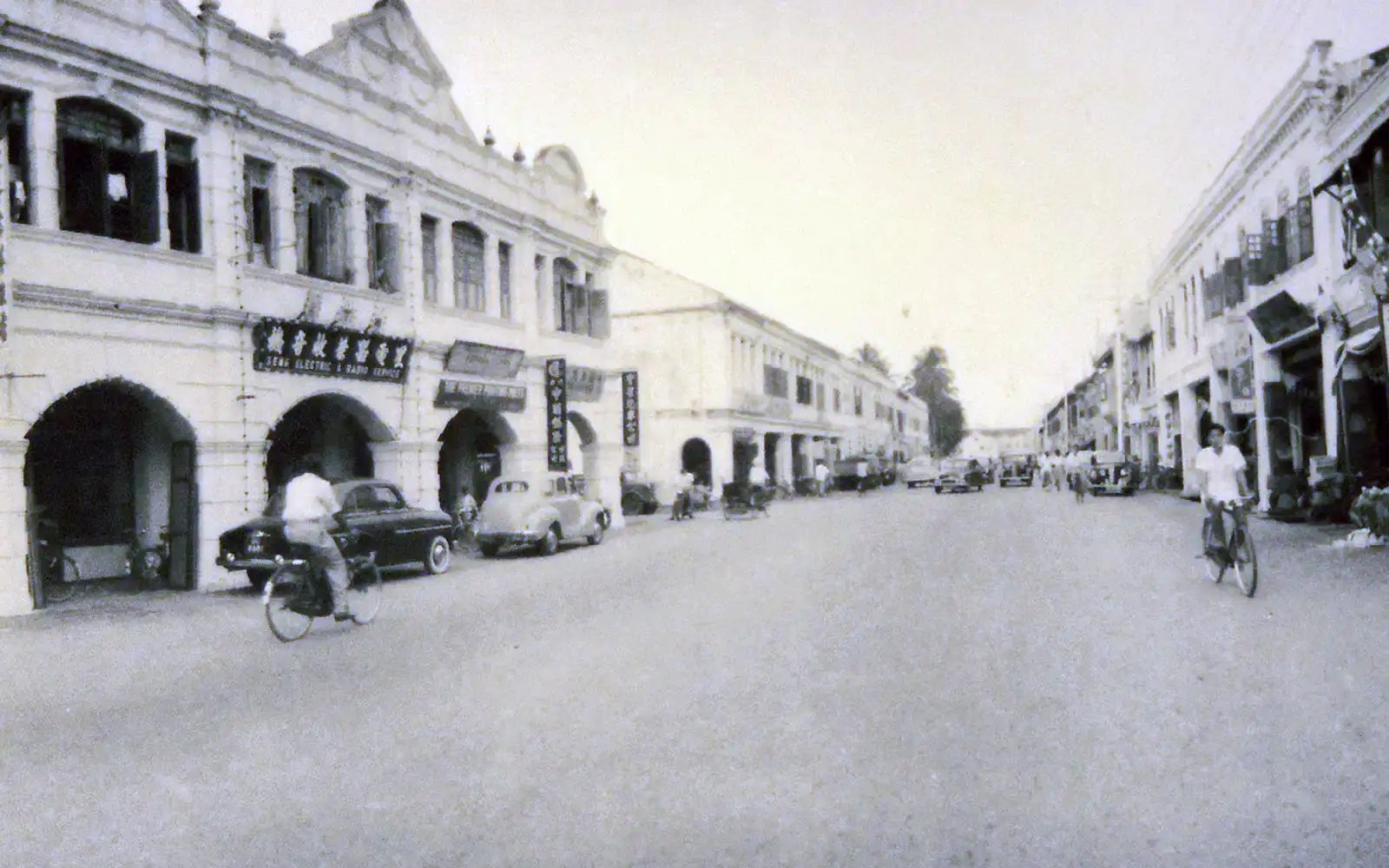
By the end of the 19th century, the street became a bustling hub. Rubber would be collated here before being exported, thanks to the street’s proximity to Pengkalan Batu, once an important port located next to the Klang River.
Notably, tin mining was carried out in the interior parts of Klang, with Pengkalan Batu being a “feeder point” for export activities.
After rubber prices declined owing to a recession in the 1930s, many Chinese traders on the street switched to businesses such as coffee shops, photography and grocery stores, as well as shops centred on electrical goods and electronics.
Indian-Muslim traders also set up businesses such as restaurants and jewellers. One such enterprise that has stood the test of time is A Jamal Mohamed & Co, a grocery store that dates to 1916.
Bismillah Restaurant, located approximately 500m away, is another Indian-Muslim business that was started in 1912.
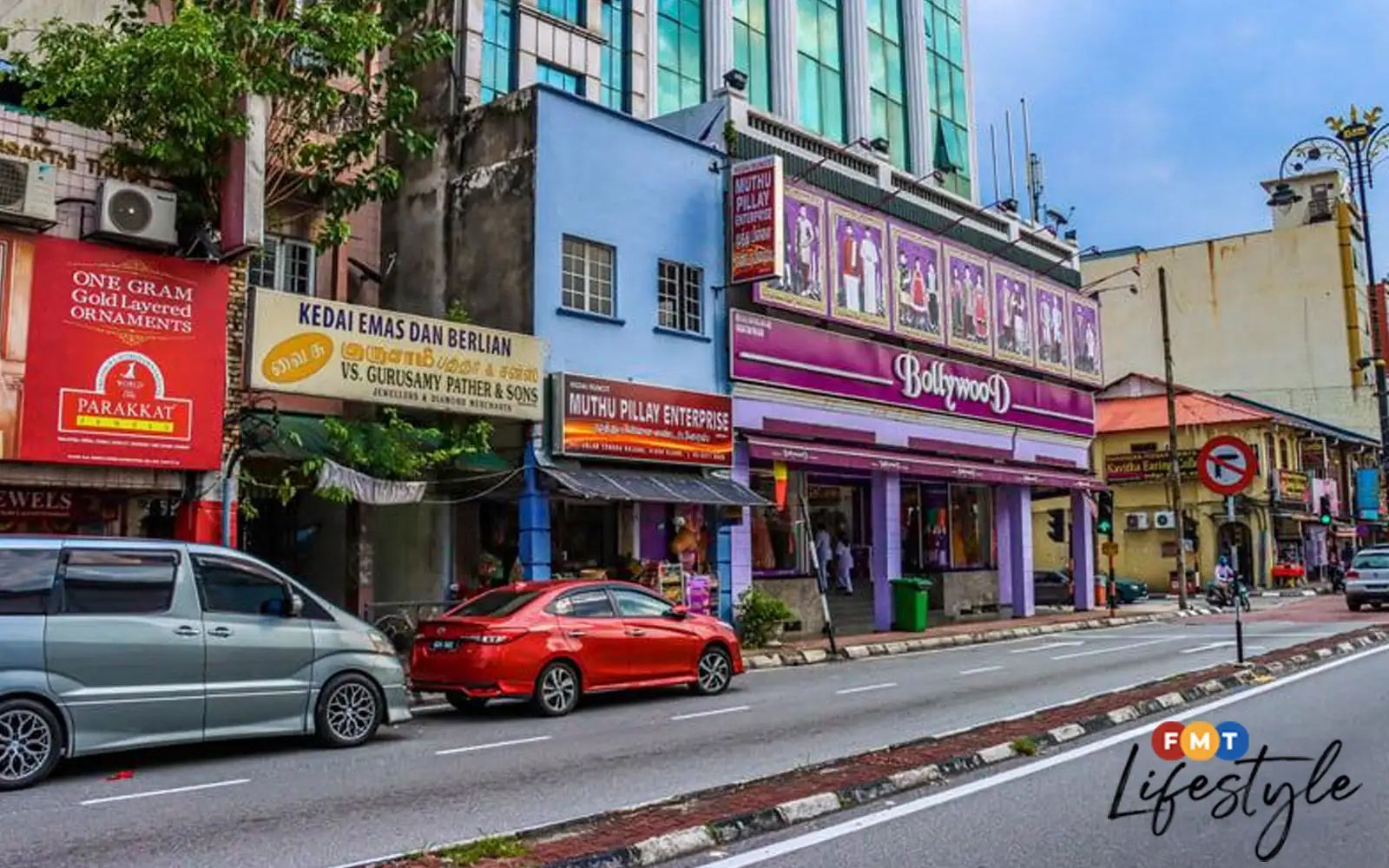
Later, Indian traders, too, began businesses in the area, leading to it being widely known as “Little India”. Today, there are many shops selling lush silks, fragrant spices, and scrumptious food.
So, why was the street renamed Jalan Tengku Kelana? Faisal explained: “Tengku Kelana, or Sultan Musa Ghiatuddin Riayat Shah, was the seventh sultan of Selangor who ruled during World War II.
“The name was changed after his death, as ‘kelana’ means ‘travel’ in Malay, and Sultan Musa enjoyed travelling.”
Indeed, many are unaware that Jalan Tengku Kelana is part of the “royal protocol road”, a route used after a coronation or any special event involving the royal family.
In fact, Istana Alam Shah, the official palace of the Sultan of Selangor, is less than 1km away!
Today, Jalan Tengku Kelana’s unique heritage is evident in the various houses of worship located on the street and its surrounding areas. These include the Tengku Kelana Indian Muslim Mosque, Our Lady of Lourdes church, and the Tamil Methodist Church Klang, as well as the Sri Nagara Thandayuthapani and Kwan Yin temples.
The Klang Public Library is another testament to this heritage: residents of various races contributed funds for its construction.
Over the years, many other areas in the city have been developed, but Jalan Tengku Kelana continues to shine as a symbol of multicultural Malaysia.
“From being a residential area and a centre of administration, it evolved to become an economic hub for the Malays, then Chinese, and now Indians, showing how strategic its location is,” said Faisal.
“It remains one of the main roads in Klang’s economy,” he concluded.