
Accessible only by river, the journey begins at the jetty by the park headquarters. There, visitors board a boat and travel up the Melinau River to Long Titut, the gateway to the jungle trail that leads to the craggy limestone formations.
The ride is about 30 minutes if the flow of the river is good, but can stretch to an hour if the water is shallow, as is the case during the dry season. Boats – heavily loaded with passengers and goods – have to be manually pushed if they get stuck on the rocky riverbed.
For the boatmen, it is all part of their job. Each vessel has one boatman at the front, wearing rubber shoes and armed with a long pole to carefully push the boat forward and navigate it around large rocks and riverbanks.
At the rear, another experienced boatman controls the engine to keep the boat from drifting off course. What may seem like a nerve-racking boat ride for tourists is, in fact, a daily routine for the local communities here.
Located in the remote interior of northern Borneo, the 85,671ha Mulu National Park – designated a Unesco World Heritage Site in 2000 – is home to one of the world’s largest limestone cave systems, extraordinary biodiversity, and indigenous communities whose way of life remains deeply rooted in tradition and nature.
Here, water transport is not just an essential part of ecotourism: it connects local communities, mainly from the Penan and Berawan ethnic groups, to the outside world.
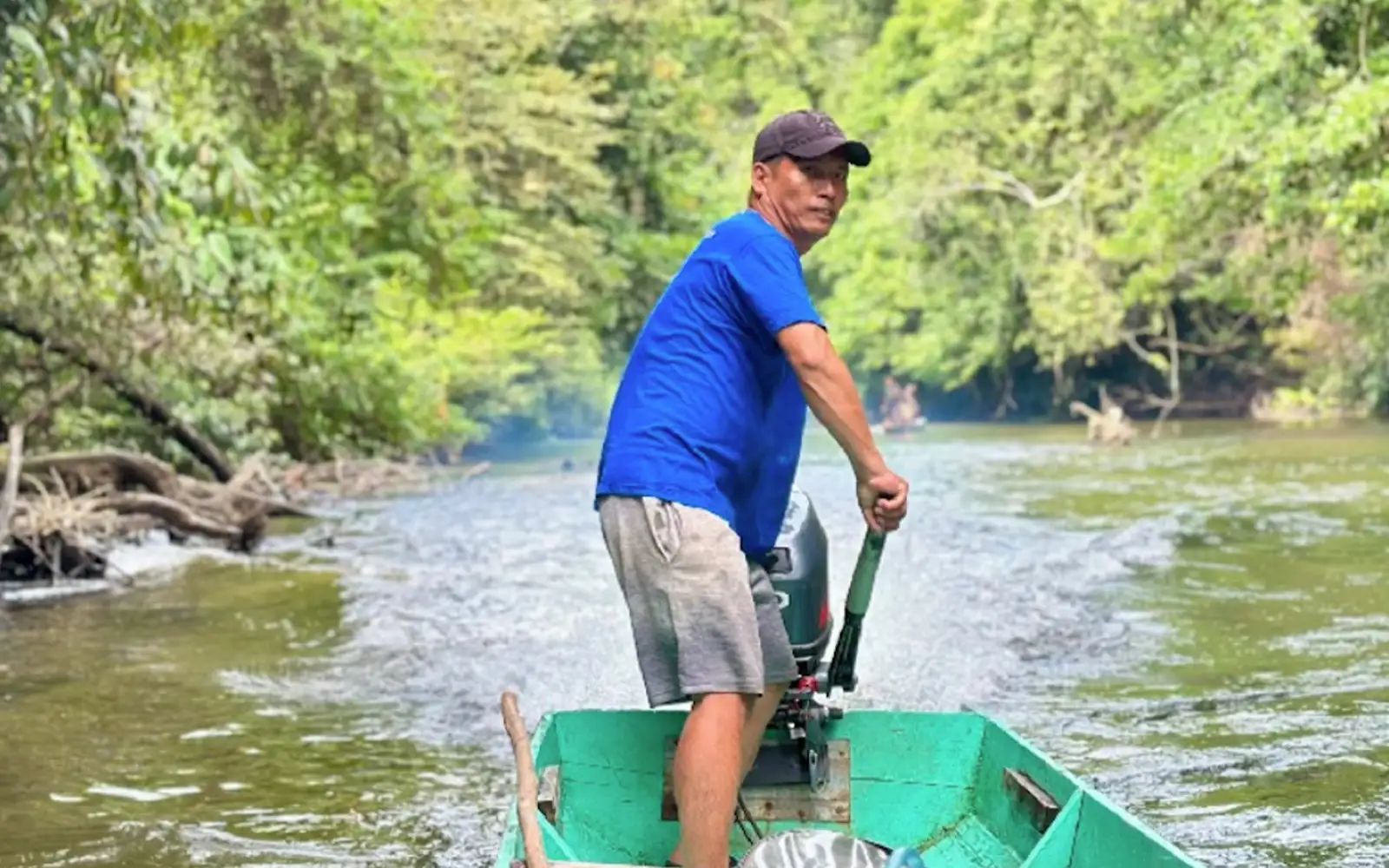
For Donny Andrew, 45, a boatman from the village of Long Iman, the boat is a lifeline for his community. The father of three works as a boat operator at Mulu National Park – but for only six days each month.
Donny, who is of Kelabit descent, has lived in Long Iman since he was 19, after marrying a Penan woman.
“Sometimes, we take up jobs from other agencies too, like transporting schoolchildren from their homes to their hostels. They need a boat to go to school,” he noted.
He said the biggest challenge comes during extended droughts, when the river becomes too shallow and boats easily get stuck, making some areas difficult to reach.
Dyeing to preserve tradition
Like other ethnic groups in Sarawak, the Penan community in the vicinity of the national park is known for their traditional handicrafts.
At the Mulu Handicraft Market in Kampung Batu Bungan here, Penan women can be seen in their zinc-roofed kiosks, weaving rattan as well as arranging handmade items such as bukui (traditional rattan bags), blowpipes, woven baskets, and beaded accessories for sale to tourists.
According to entrepreneur Julie Nyeling, 46, products made by the villagers are also marketed outside of Sarawak, particularly in Kuala Lumpur, during craft sales or festivals.
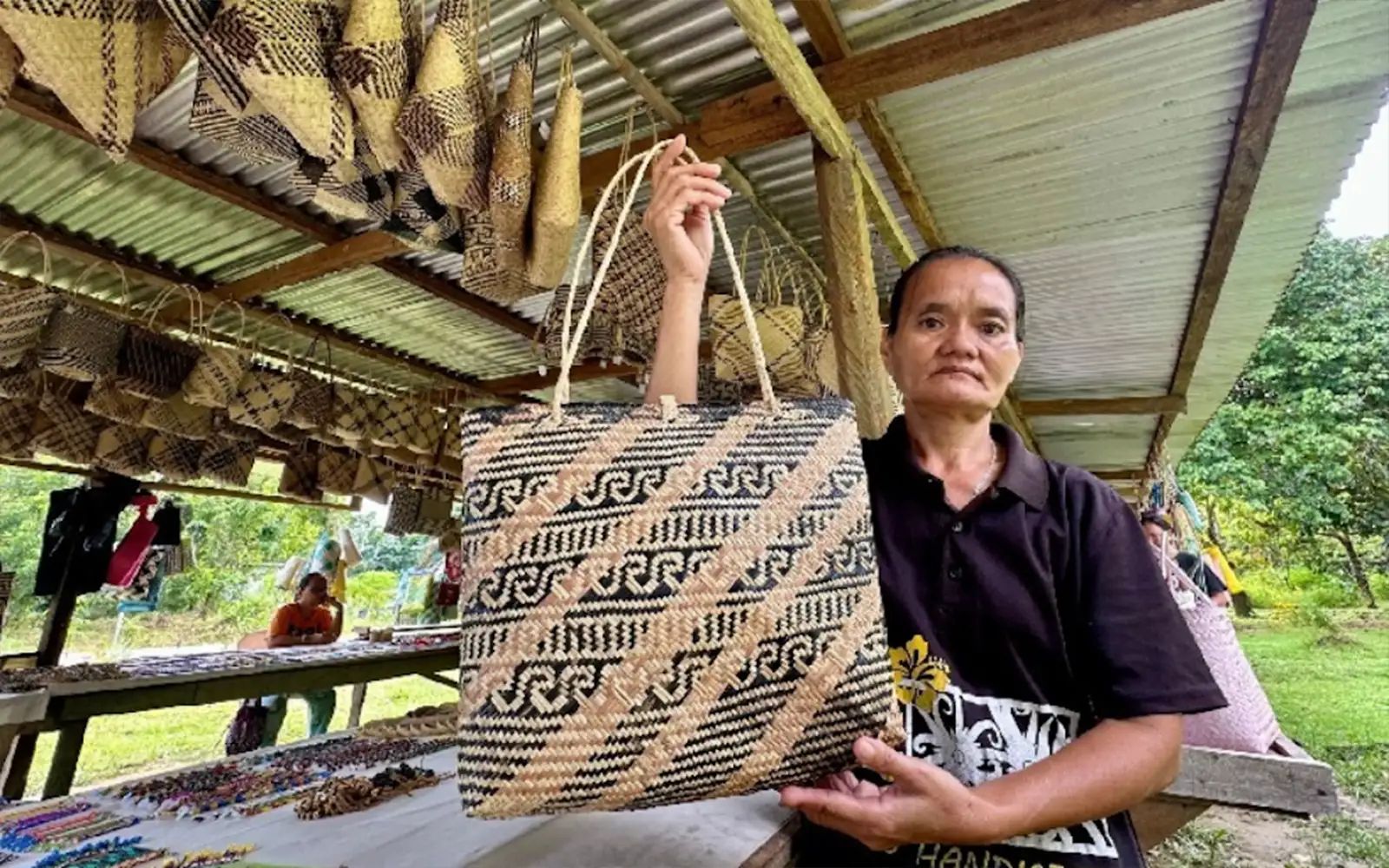
“We sell every day, and most tourists come during school holidays. Sometimes we get orders from Miri. On average, we can earn around RM800 a month,” she said, while lamenting that interest among the younger generation in traditional handicrafts is waning.
Her sister Jabung Nyeling shared that it can take nearly a month to complete a woven rattan bag, depending on the design and size.
The 50-year-old, who has been making crafts for decades, said producing quality rattan goods is not easy, especially since they try to preserve traditional dyeing methods instead of using artificial colours.
“The rattan has to be buried in the ground for a day or overnight to turn black. That’s how we produce natural dye; no chemicals are used.
“If we don’t bury it, the colour won’t show. If we use ordinary dyes, like red or other colours, they’ll fade quickly when exposed to water.
“The black colour, however, will last,” she explained, adding that the process requires not only a lot of patience but also adequate space and suitable weather.
Of course, no visit to Mulu is complete without visiting the famous caves in the national park. The awe-inspiring network of limestone caves includes Gua Rusa, Gua Lang and Gua Air Jernih, each with its own unique appeal and challenges.
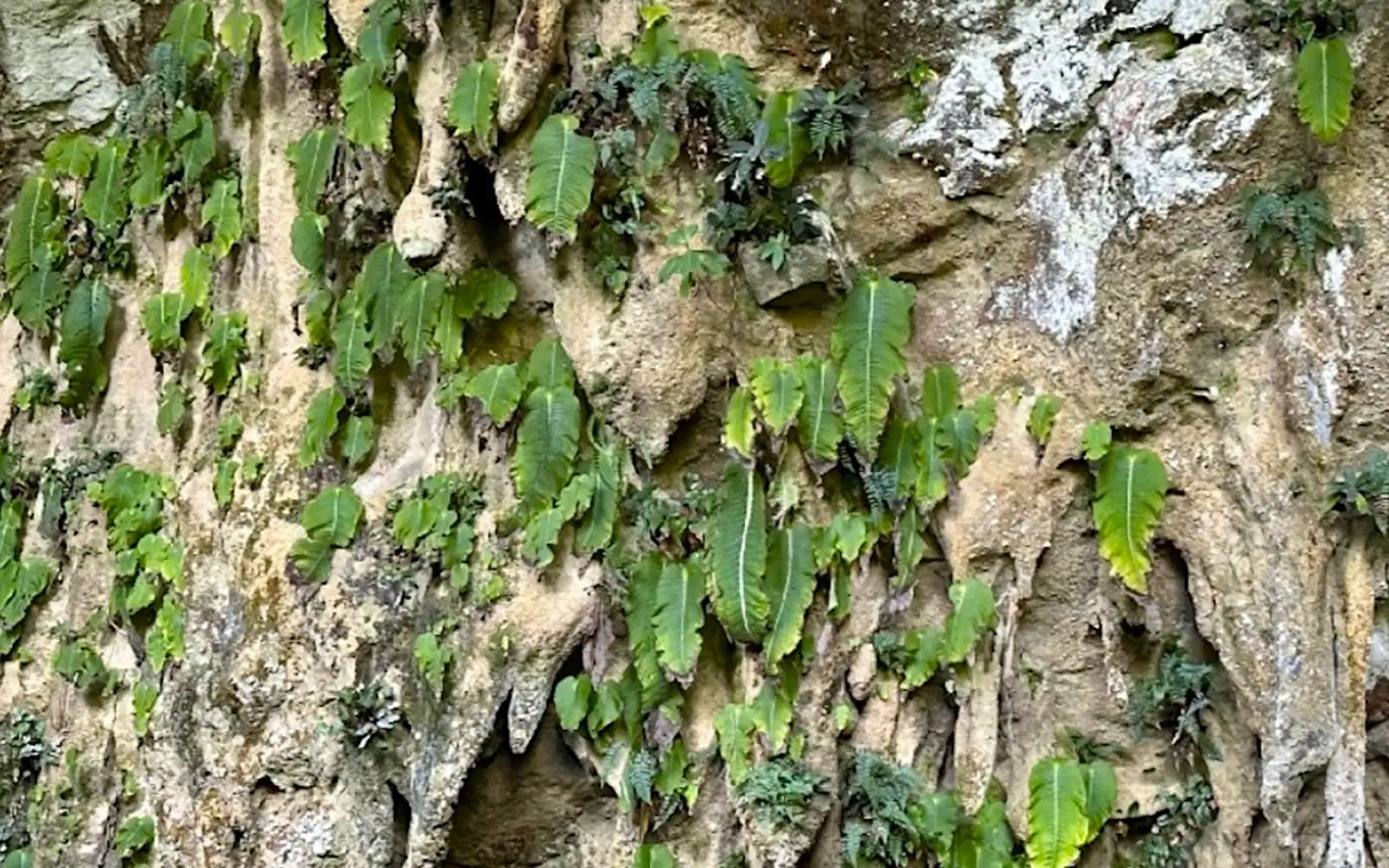
For local tour guide Jason Lau Siew Hui, who has been in the field for nearly two decades, Mulu’s true charm goes far beyond its caves: it also boasts remarkable biodiversity.
“It is estimated that the park is home to around 2,000 flowering plant species, 123 species of mammals, 305 bird species, and over 2,000 species of insects,” said the 43-year-old.
“Ongoing research continues to uncover even more biodiversity here,” he added, highlighting that 10 endemic plant species and six endemic animal species have already been identified, making the ecosystem in Mulu extremely valuable for conservation.
He said Mulu’s recognition as a Unesco World Heritage Site brings its own set of challenges, especially when tourist numbers rise significantly from March to October.
“It can sometimes be a challenge ensuring all visitors follow the park’s rules. We have to monitor every group, give safety briefings beforehand, and limit group sizes during tours.”
Nevertheless, Lau ‘s livelihood depends on the tourists who continue to flock here, eager to witness the spectacle of thousands of bats emerging from Gua Rusa at dusk, or explore the extraordinary limestone cave system hidden deep within the park.