
“I’m always like, ‘oh no’,” the 32-year-old Malaysian author laughed, recalling a recent bookstore signing. “But this lady followed up by saying, ‘I’m absolutely loving it… I’m halfway through and just ripping through the book’.”
For Lau, a Tolkien fan, the moment felt surreal. Months after her fantasy debut “The Serpent Called Mercy” hit shelves, the first-time author heard her name announced at a ceremony in Brisbane, Australia as the Aurealis Award winner for Best Young Adult Novel.
“I definitely did not expect to win,” she admitted. “There was another nominee who felt like the frontrunner… so when the emcee called out my name, I didn’t really know how to react.” Yet the recognition carried deeper meaning than a trophy.
“It’s a huge honour and very validating,” said Lau, a Monash University graduate in commerce and arts. “Writing is a very solitary process… you’re living in your own hermit cave. You never really know if your story is resonating with people.”

That quiet, decade-long journey began with a simple creative instinct: friendship. “I wanted to write a deeply intimate friendship story,” she said. “Two characters who genuinely love and support each other, but whose relationship is challenged by their own competing interests.”
In “The Serpent Called Mercy”, debt-ridden friends Lythlet and Desil enter a brutal monster-fighting arena seeking freedom, but ambition and political intrigue threaten their bond.
At its heart, Lythlet’s struggle with identity and belonging mirrors author Roanne Lau’s own cross-cultural journey from Petaling Jaya to Melbourne at 13, and her struggles with assimilation and the feeling of not quite fitting in.
Ironically, that same sense of displacement helped shape the very story that later earned her international acclaim. The book is infused with Malaysian and broader Asian cultural references, from food to familial dynamics and worldview.
“My characters think in a very Asian way – how they interact with parents, bosses and society,” laughed Lau, whose literary influence includes American speculative fiction writer Robin Hobb.
Winning the award in Australia therefore felt poetic. “It became a full-circle moment,” she reflected. “A book so filled with Malaysian references receiving recognition from a country where I once struggled to fit in.”
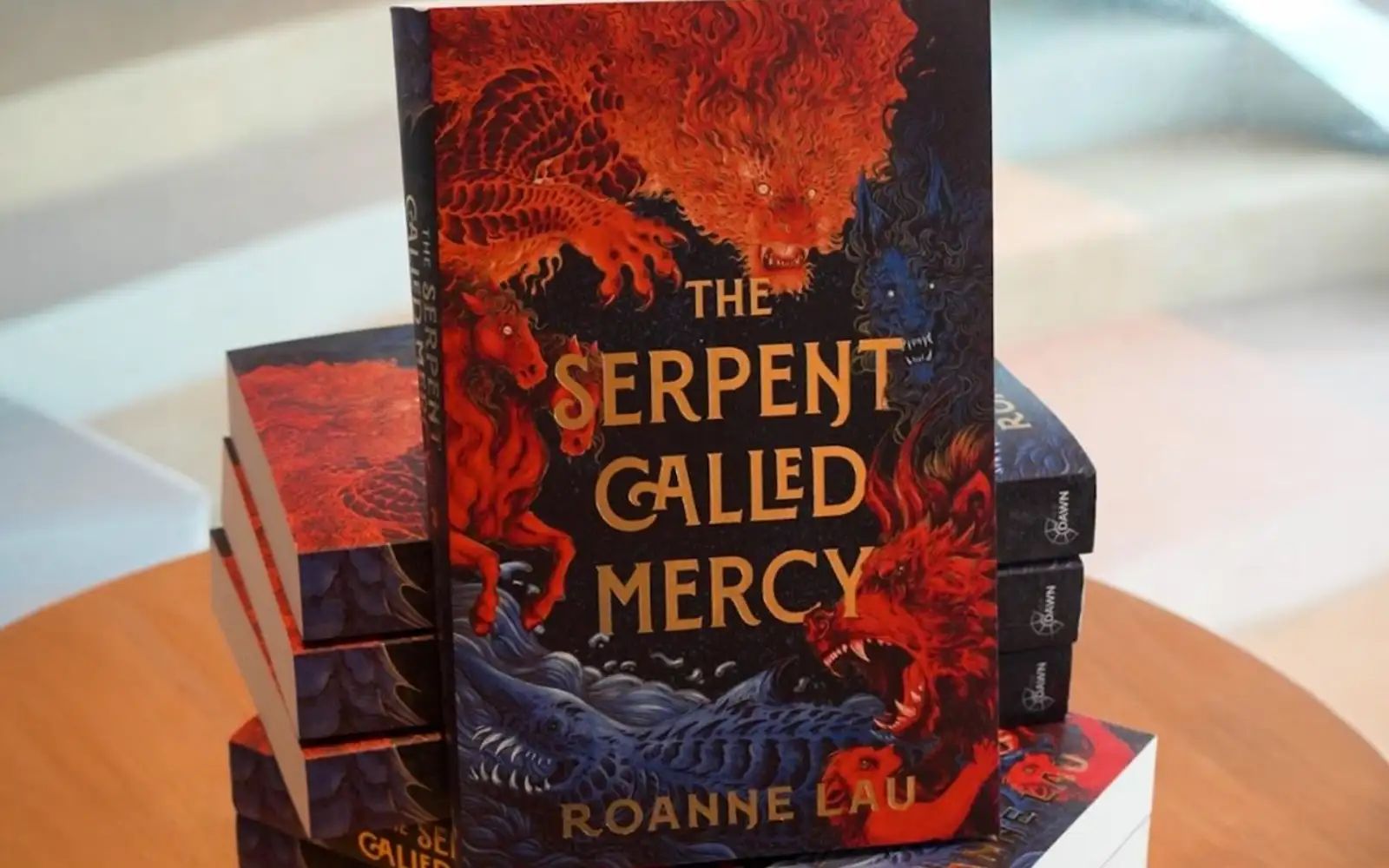
Beyond world-building and monsters, “The Serpent Called Mercy” explores philosophical questions about morality – particularly the challenge of practising mercy in a world that may punish it.
“My protagonist wants to be good, but society makes that difficult,” Lau explained. “She has to wrestle with how to uphold her morals even when it’s to her own detriment.”
Her faith and Malaysian upbringing subtly shaped this moral landscape, especially in how religion is woven into daily life within the story’s world.
“In Malaysia, religion is embedded in our lifestyle, in a way that I don’t feel is really happening in the West anymore,” she said. “The way characters think about God directly impacts how they act.”
Despite its depth, Lau’s novel stands slightly outside current publishing trends dominated by romance-driven fantasy.
“My book has zero romance,” she said with a grin. “It’s definitely off-trend. But for readers who want something weirder, it seems to be hitting the spot.”

That confidence was hard-won. Throughout the decade-long writing process, Lau faced rejection, doubt and the persistent question of whether continuing was worth it.
“There were so many moments when I thought, why am I doing this to myself?” But the story kept calling her back.
Now, with an award-winning debut behind her, Lau is already crafting her next project – a darker tale involving “murder, monsters and mayhem” that explores the concept of duty.
For aspiring writers facing uncertainty, her advice is refreshingly honest.
“Trust your instincts,” she said. “There’s no one right creative process. Maybe your instinct is telling you to take a break – and that’s okay. When the moment is right, the urge will return.
If “The Serpent Called Mercy” proves anything, it is that stories born in solitude can travel far – a personal triumph for Lau and a quiet win for Malaysian storytelling on the global stage.
Follow Roanne Lau on Instagram.