
Langur Project Penang (LPP) is a conservation enterprise founded by Jo Leen Yap, a wildlife researcher and environmental educator. What started in 2016 as a postgraduate study on dusky langurs has since grown into a community-driven project aimed at protecting these primates.
Found across peninsular Malaysia, as well as in Myanmar and Thailand, dusky langurs – also known as dusky leaf monkeys – are categorised as “endangered” on the IUCN Red List of Threatened Species.
Deforestation, urbanisation and habitat fragmentation have caused a significant decline in numbers over the past 35 years, creating new challenges for both humans and wildlife.
“Dusky langurs are arboreal; they need trees to live. But in recent years, there have been more urban sightings, with them appearing increasingly close to residential areas,” Yap told FMT Lifestyle.
“They, however, have a hard time adapting from trees to cable wires and rooftops.”
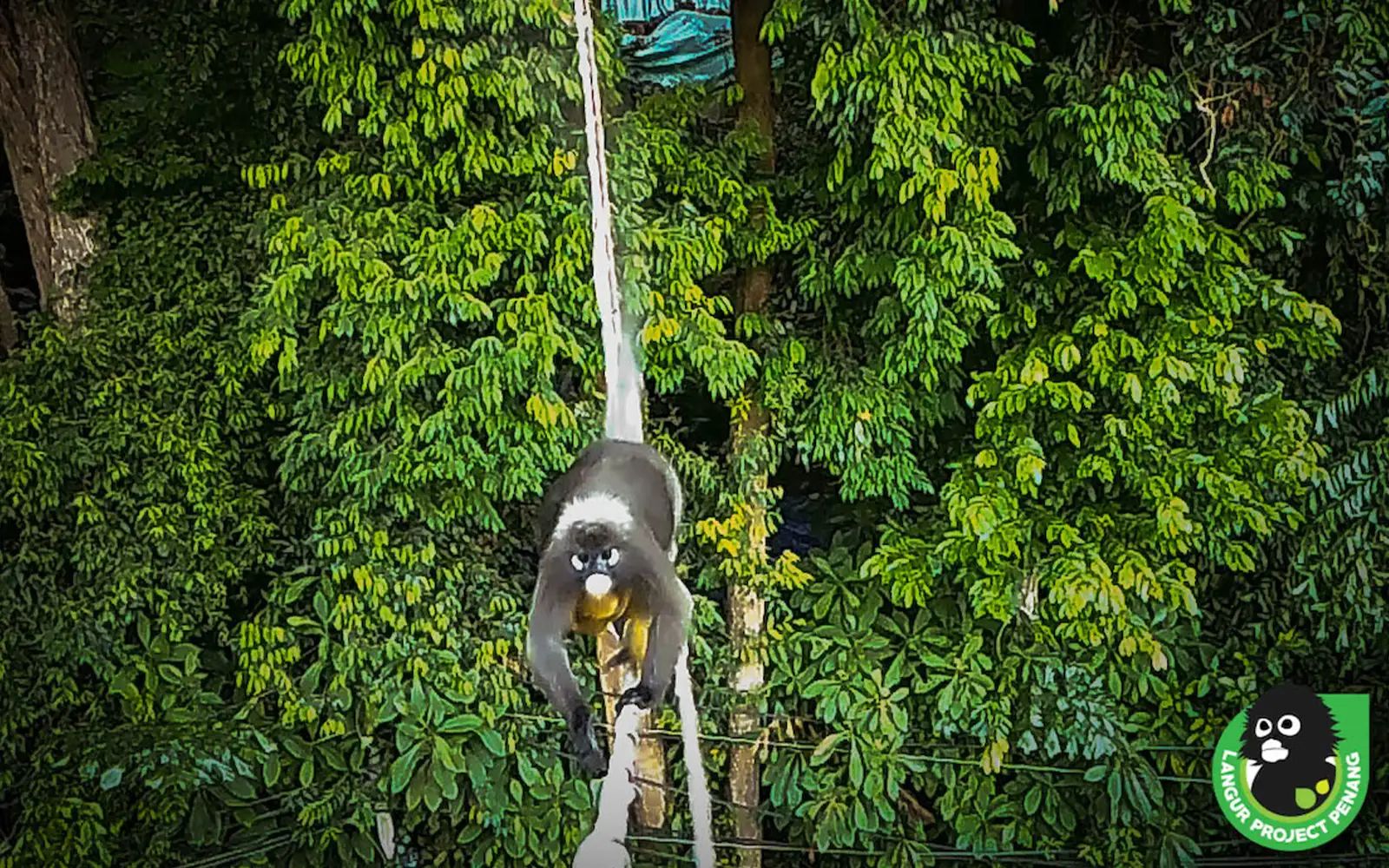
As these animals are folivorous – meaning they feed primarily on leaves – they play an important ecological role as natural tree trimmers. Sadly, “humans complain as well, because dusky langurs eat away at their rambutan and mango trees”, Yap noted.
Still, their distinct facial markings, which resemble oversized spectacles, and quiet demeanour have made them a favourite among wildlife enthusiasts.
Yap, who grew up on the mainland in Bukit Mertajam, credits her outdoor upbringing for shaping her connection to nature. “My mum was an active hiker and my dad loved fishing and camping. Going on outdoor adventures was always part of life.”
LPP began as a simple social media page where she documented her fieldwork and observations while completing her master’s degree and doctorate in zoology. Curious followers soon began requesting to join her onsite.
“Friends, family, and random people would come along for fieldwork, helping me cope with the fatigue of conducting research,” she recalled.
During the Movement Control Order, LPP encouraged citizens nationwide to report langur sightings to aid ongoing research and conservation strategies.
“With the help of many Malaysians, we began to realise that dusky langurs were appearing in places we never expected, like Bandar Sungai Long in Cheras,” Yap said.
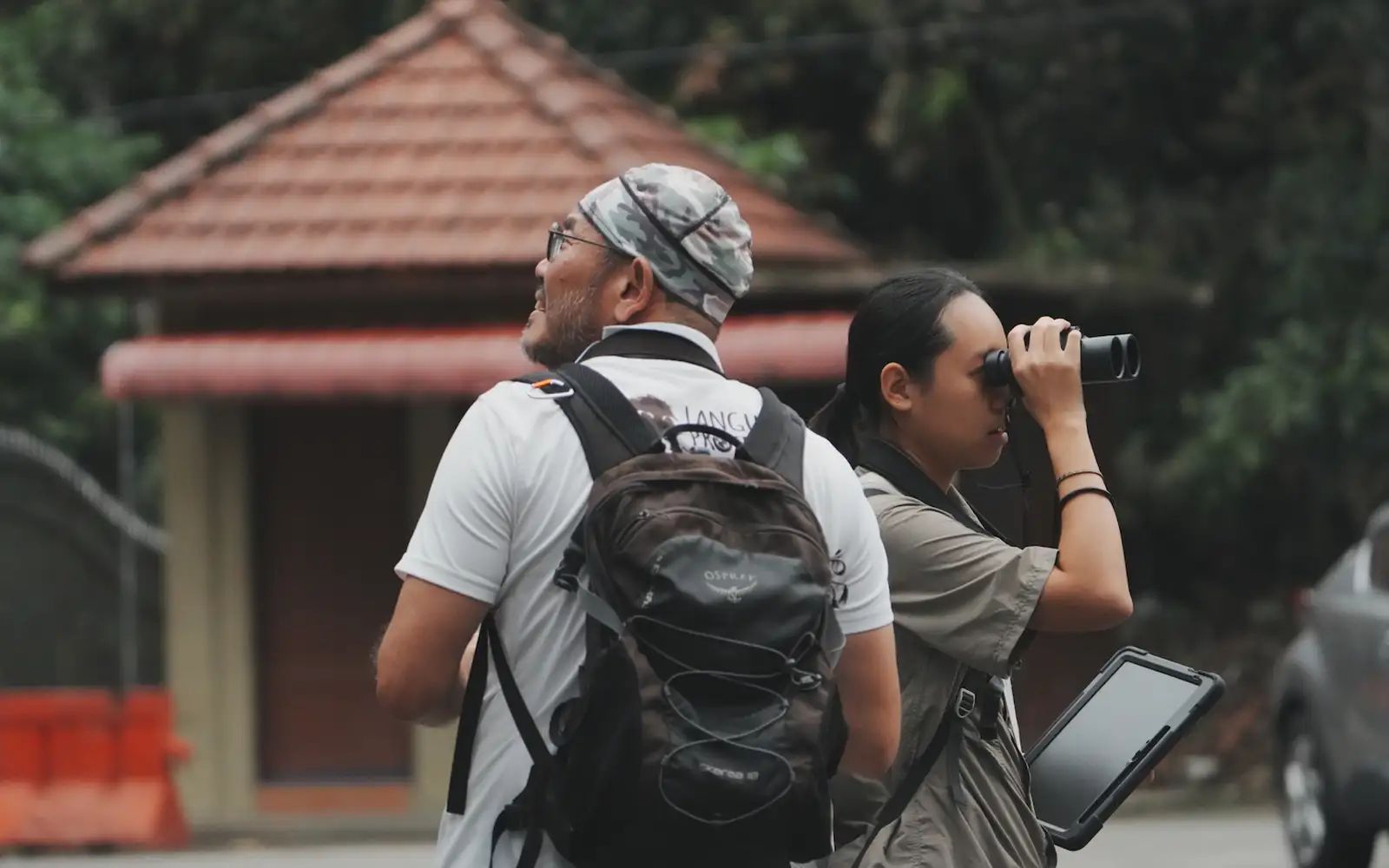
Today, LPP has an active group of 20 citizen scientists who assist with data collection, monitoring langur movements and recording GPS coordinates.
Most of them are working adults in Penang, aged between 25 and 40, who help once or twice a week. They are trained in fieldwork techniques and must commit to at least three months.
And it’s no easy task. “We follow the monkeys everywhere – if they hike up high, or go inside a drain, we follow. We record their activities, what they eat, and their interaction with other species,” Yap outlined.
Some of these volunteers have moved on to become environmental educators, sharing their knowledge with local communities that live near monkey habitats. “Seeing this gives me a lot of hope for the future,” she added.
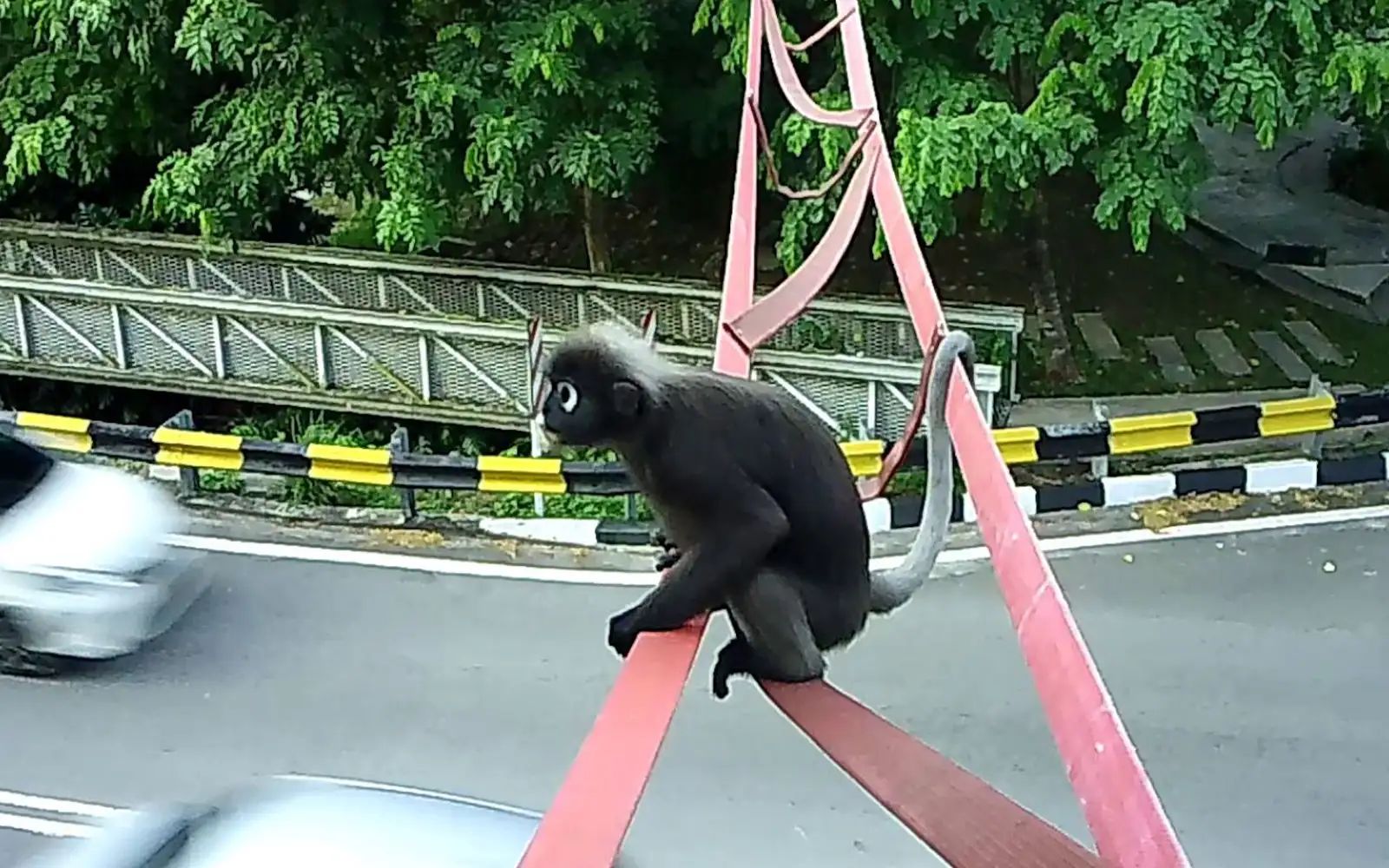
One of LPP’s landmark achievements was the construction of Malaysia’s first artificial road canopy bridge in Teluk Bahang in 2019. Designed to reconnect fragmented forest habitats, the bridge has enabled arboreal wildlife to cross roads safely.
“Building the bridge was a very touching moment because we realised that our work really makes a difference,” Yap said.
Between March 2019 and May 2021, camera traps recorded over 2,000 mammal crossings. Notably, no new mammal roadkills have been reported since its installation.
A second bridge was launched in 2024, with a third planned for this year.
Yap believes conservation isn’t just about opposing development or urbanisation: LPP also collaborates with stakeholders, including the state government and corporate partners, to educate the public on coexistence between humans and wildlife.
“Residents need to learn how to be citizen scientists themselves. They help us be the eyes and ears for the monkeys – knowing when they come to your area, why they are drawn there, and how to manage their presence,” she concluded.
For more information about Langur Project Penang, check out their website and follow them on Instagram.