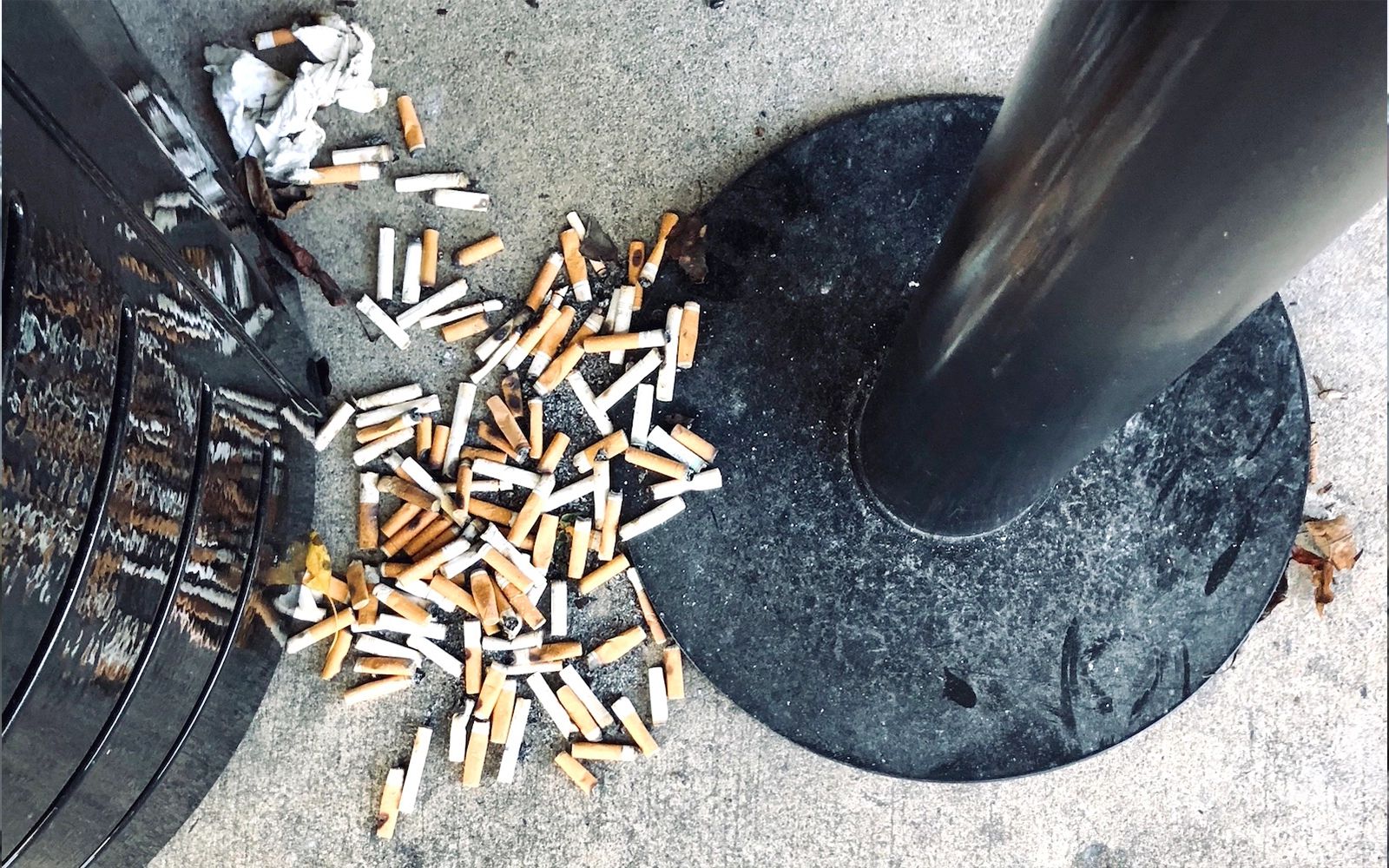
Often discarded without a second thought, they are far from harmless. Beyond the well-known health risks of smoking, the waste left behind carries serious environmental consequences.
Public health expert Rozita Hod from Universiti Kebangsaan Malaysia said cigarette butts are erroneously seen as insignificant.
“A single cigarette butt contains more than 7,000 toxic chemicals, including nicotine, arsenic and heavy metals,” she said.
When thrown on the ground, these chemicals can seep into soil, wash into drains, and eventually reach rivers and seas, where they harm aquatic life and disrupt ecosystems.
Cigarette filters, typically made of plastic, break down into microplastics, adding to the growing threat facing marine environments.
Studies show a cigarette butt decomposes only about 38% over two years, with full breakdown taking up to a decade.
The damage does not stop there: marine animals, including turtles, often mistake tobacco waste for food. This can cause severe digestive problems and even death, with wider implications for food security.
Rozita said a single cigarette butt can contaminate up to 1,000 litres of water, potentially killing up to half of certain aquatic species.
Globally, about 4.5 trillion cigarette butts are discarded each year, making them one of the most widespread forms of pollution. In Malaysia, the problem reflects the country’s smoking rate of around 20%.
There are, thankfully, signs of stronger action. Community service orders (CSO), introduced on Jan 1, aim to tackle minor littering offences while educating offenders through mandatory clean-up work.
The measure falls under the Solid Waste and Public Cleansing Management Act 2007. Rozita and environmental groups welcome the move, but stress that enforcement alone is not enough.
Environmental group Pinktrash said lasting change depends on early education and consistent awareness efforts.
“The cultivation of moral values from a young age are crucial, as they shape environmentally responsible habits that cannot be achieved through laws or penalties alone,” the NGO noted.
The enforcement of CSO applies to everyone as Malaysia works to raise cleanliness standards in public and tourist areas.