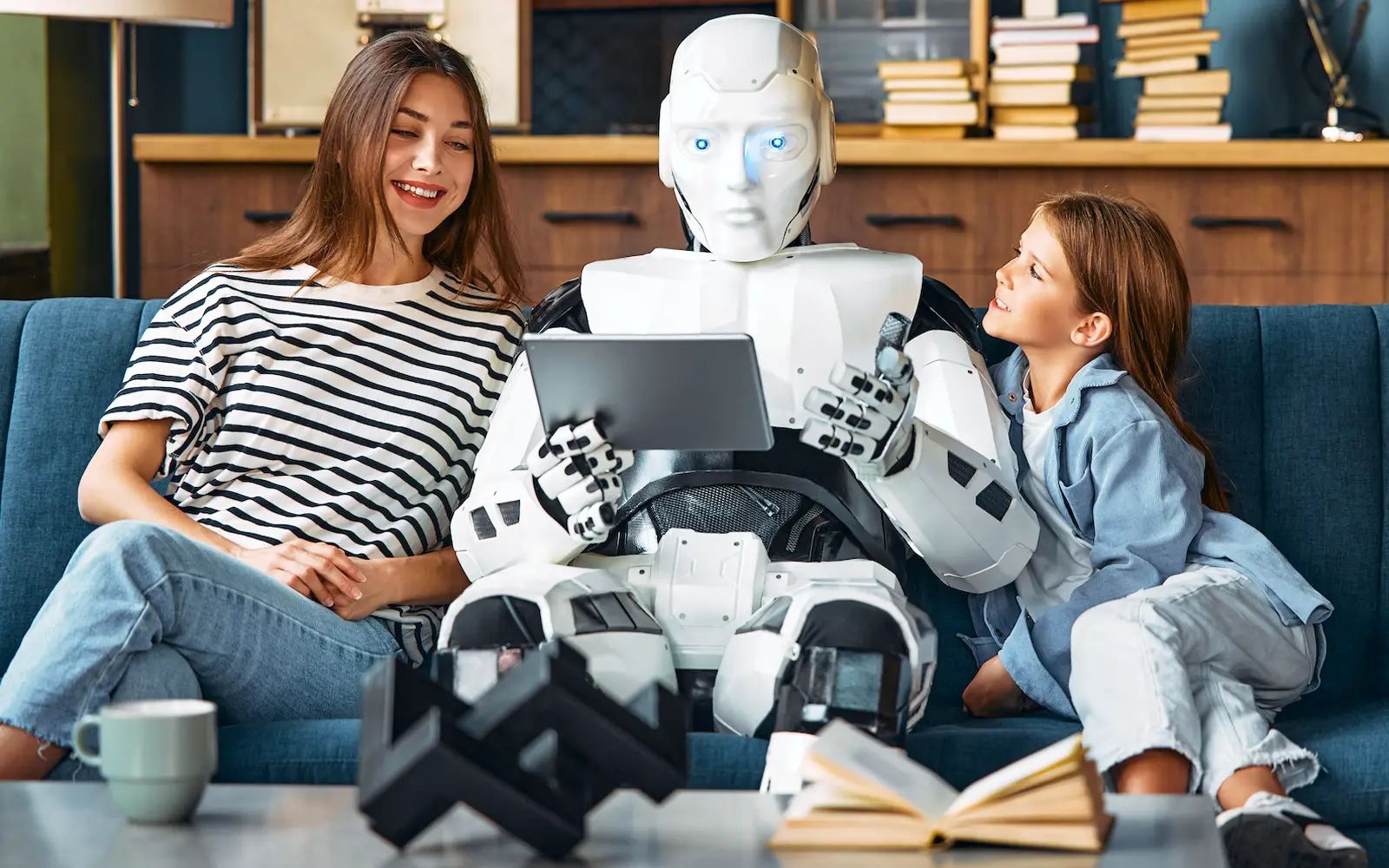
According to a global survey by cybersecurity firm Kaspersky, 81% of respondents – including Malaysians – believe digital technology will fundamentally reshape how families spend time together in the next decade.
What’s emerging is not the end of bonding, but a redefinition of it.
Screen time = family time
For many households, technology is already stepping into traditionally human roles. Nearly half of respondents expect AI-powered bedtime stories to become the norm, rising to more than half among younger adults.
In Malaysia, 54% say they would be open to using AI tools for storytelling, drawn by their convenience and endless customisation.
For busy parents, it could be a helpful assist. For children, it’s an interactive storyteller that never runs out of ideas.
At the same time, 31% of families foresee children choosing digital pets over real ones, while 42% of Malaysians expect home robots to become part of everyday life. These aren’t just gadgets – they’re increasingly seen as companions, tutors and helpers rolled into one.
Still, there’s a balance to be struck. AI can enrich a child’s world, but it shouldn’t replace human connection. Experts suggest treating it as a tool rather than a substitute; something that complements, rather than replaces, the comfort of a parent’s voice or presence.
Parents can also take simple steps to stay in control: choose platforms with clear privacy policies, limit screen time, and keep conversations open about what children are interacting with online.
Birthdays on video, holidays in VR?
Family traditions are evolving, too. About 43% of respondents expect celebrations like birthdays to take place more often over video calls – a trend already familiar to many.
In Malaysia, that number rises to 56%.
And while it may sound futuristic, 26% say they can imagine family holidays happening entirely in virtual reality, swapping airport queues for headsets and digital landscapes.
These shifts may feel dramatic, but they reflect something deeper: families are adapting to distance, schedules and modern life by finding new ways to stay connected.
When the smart home gets smarter
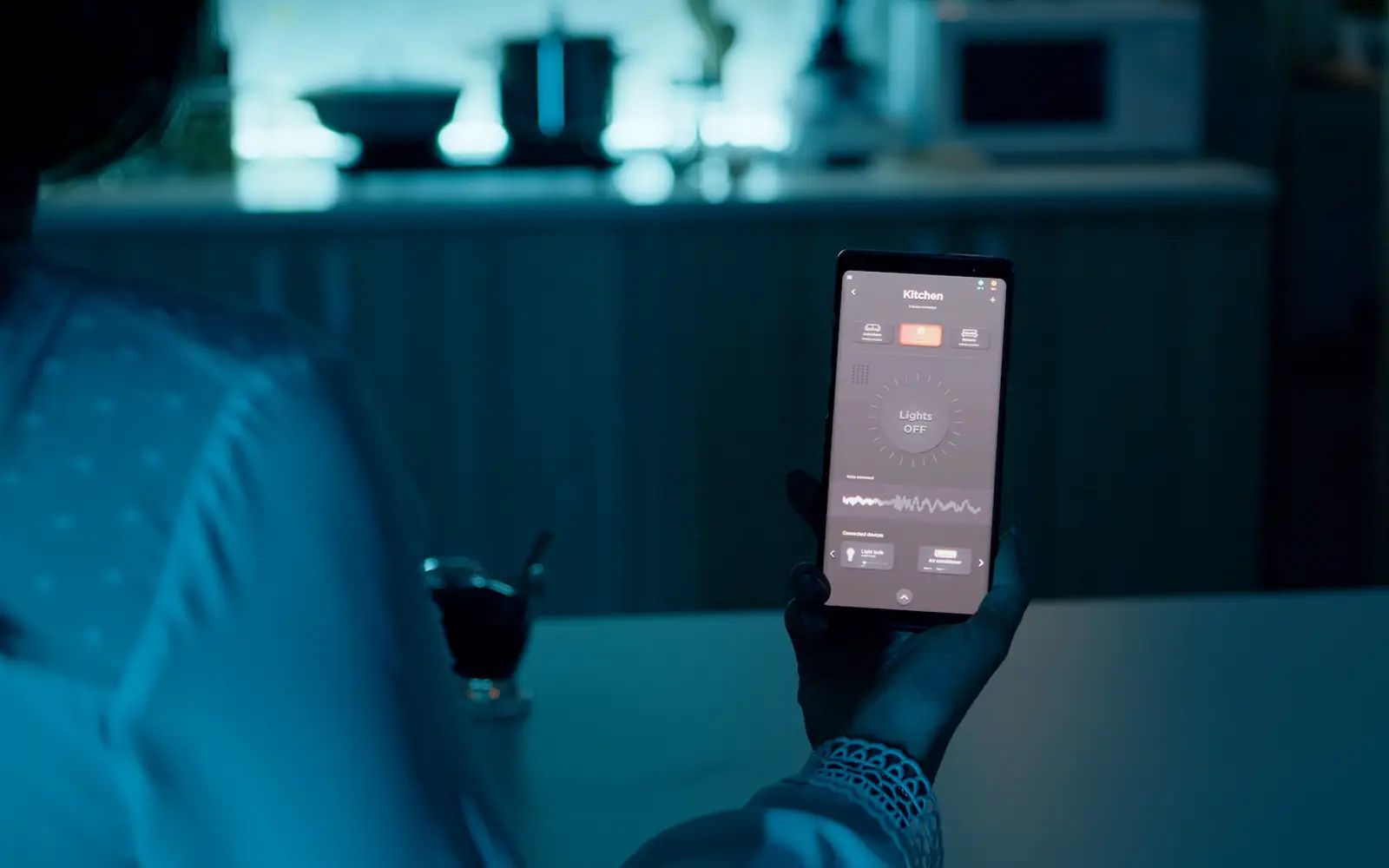
Perhaps the most striking change is how technology is moving from tool to “family member”. Around 43% of respondents believe home robots could one day be part of the household, capable of tutoring children, playing games or offering companionship.
But as homes become smarter, they also become more exposed. Every connected device – from a VR headset to a robot assistant – is a potential entry point if not properly secured.
Simple habits can go a long way: change default passwords, keep devices updated, and separate smart devices onto a different Wi-Fi network if possible.
In this new kind of household, digital safety becomes just as important as locking your front door.
A new kind of togetherness
For all the concerns about screen time and digital overload, the bigger picture is less bleak than it seems. Technology is not breaking families apart, it is reshaping how they come together.
A grandparent joining a birthday via video call, siblings playing together in a virtual world, or a child listening to a personalised bedtime story – these are simply new versions of connection.
The challenge now is to use these tools thoughtfully. Because whether it’s AI, robots or virtual reality, the goal remains the same: bringing people closer, not pulling them farther away from one another.