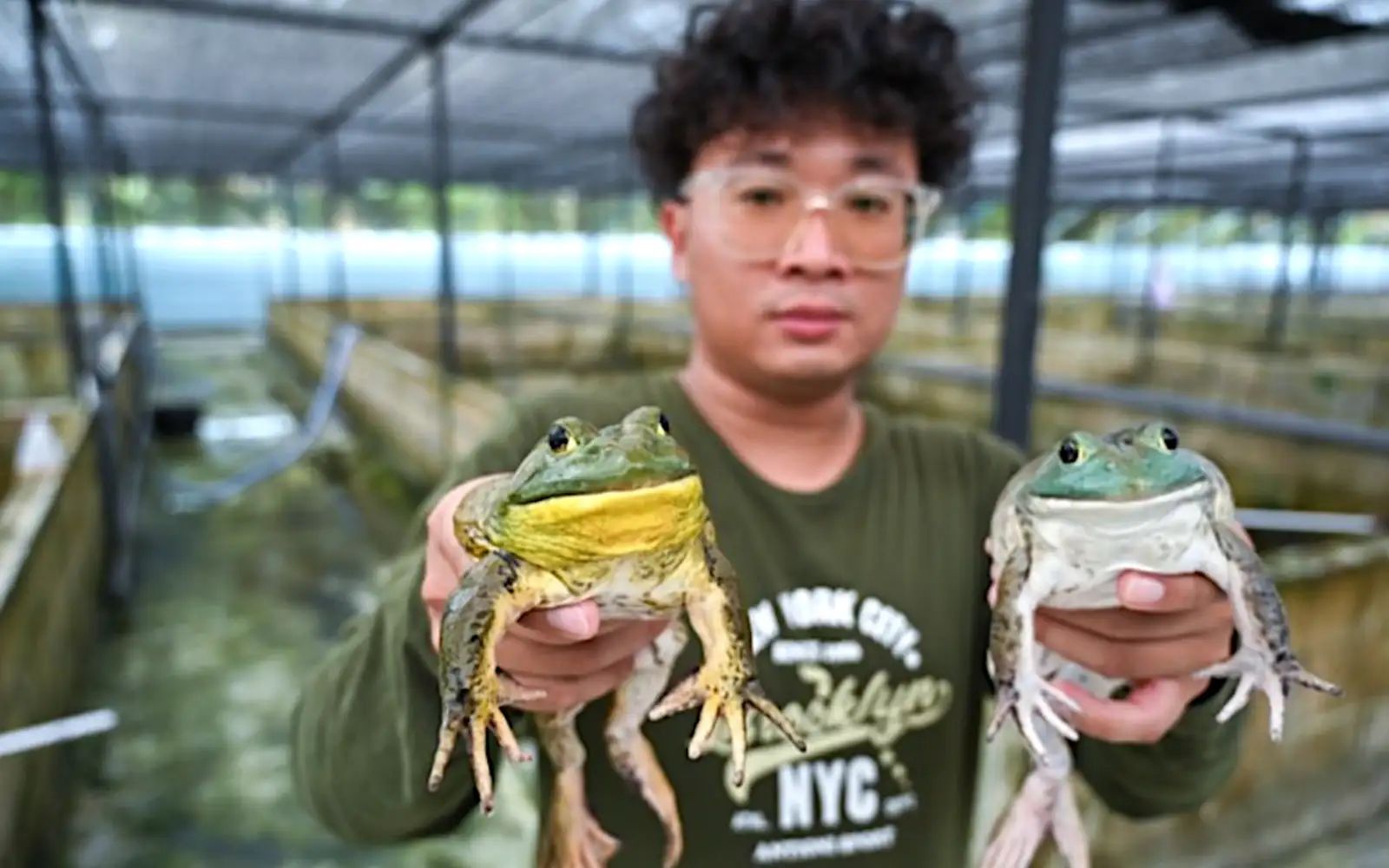
Popular in Chinese cuisine, frog meat has long been a staple in dishes such as porridge and herbal soups, and demand shows little sign of slowing. For the family behind a farm in Kampung Chui Chak here, that sustained appetite has turned a modest venture into a thriving business.
Chong Zheng Xian, 27, now helps his father manage the operation, which was set up in the mid-1990s. Back then, his father, a former construction worker in Kuala Lumpur, began on a small scale, experimenting with just 100 ponds.
What started as a side venture has since expanded significantly. Today, the farm operates more than 500 one-metre ponds, supplying frog meat not only to the local Malaysian Chinese community but also to neighbouring Singapore.
“Demand usually increases during festive seasons and on weekends,” Chong told Bernama, noting that their produce is widely used in kitchens in both countries.
To keep up, the farm maintains a steady rhythm. “We harvest twice a week to ensure consistent supply for both local and export markets,” he explained.
Prices typically range between RM25 and RM30 per kg, depending on demand.
Chong, who began helping his father five years ago, has since gained a close understanding of the farm’s day-to-day operations, from feeding schedules to pond management.
The frogs are given vitamin supplements to support their growth and overall quality, taking about seven to eight months to reach maturity. By then, each typically weighs between 250g and 300g.
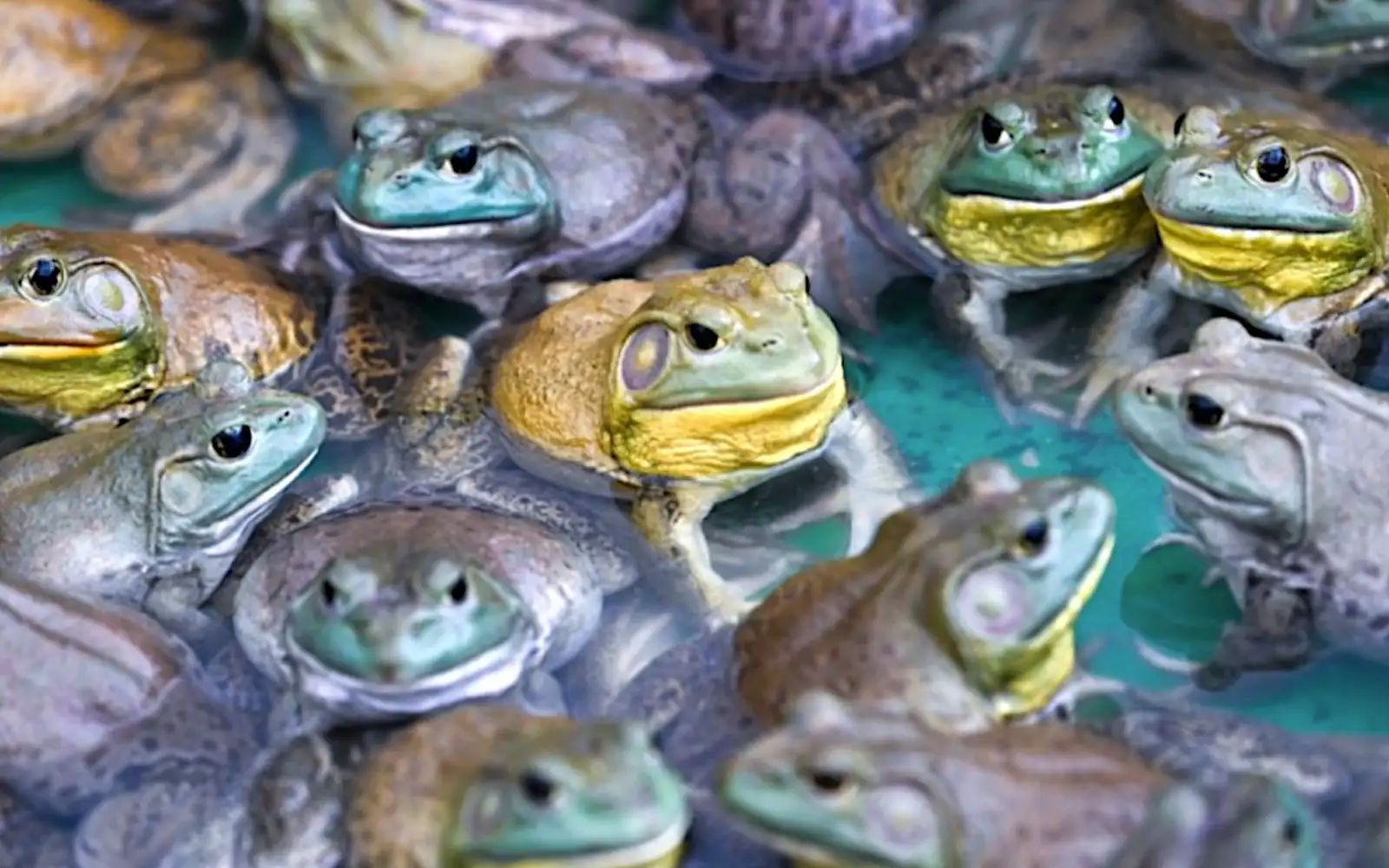
Productivity, however, depends heavily on careful planning. Each pond can yield between 700kg and 1,400kg per week, but the frogs must be carefully separated according to age.
Around 400 ponds are dedicated to frogs aged three to eight months, while the remaining ponds are used for eggs and tadpoles, which require closer monitoring.
“It’s important to separate the larger frogs, as they may eat the eggs or smaller ones. That would affect overall production,” Chong noted.
Beyond meat production, the farm has also developed an additional revenue stream: frogs aged three to four months are sold as bait or feed for ornamental fish, with weekly demand ranging from 4,000 to 6,000 frogs.
This segment, he added, plays an important role in supporting operating costs and ensuring the sustainability of the business.
Looking ahead, the family plans to expand further by increasing the number of ponds to meet growing demand from both Malaysia and Singapore.
But growth, Chong noted, is not without its challenges. “Expanding requires significant capital, careful management, and trained workers to ensure each pond is properly maintained and the frogs remain high quality,” he said.
The farm currently employs four workers who help maintain the ponds and manage feeding routines, forming the backbone of a business that has grown steadily over the years.