Honouring his earlier pledge as an organ donor, his parents agreed to the procedure. Seven of his organs and tissues, including his heart and kidneys, were donated.
Soberingly, such cases remain rare in Malaysia. Transplant specialists say organ donation rates are still low, particularly in cases involving brain-dead patients, despite their potential to save multiple lives.
Another family, who requested anonymity, faced a similar decision after their son in his 30s was declared brain dead following a stroke.
“While we were overwhelmed with grief, we also found some comfort knowing his organs could help others,” they said. His kidneys and tissues were successfully donated.
One of the recipients, a 49-year-old woman named Saras, had spent nearly 15 years battling chronic kidney disease and associated complications. Today, her condition has improved significantly.
“Without organ donation, I wouldn’t have survived,” she said. “It gave me a second chance at life.”
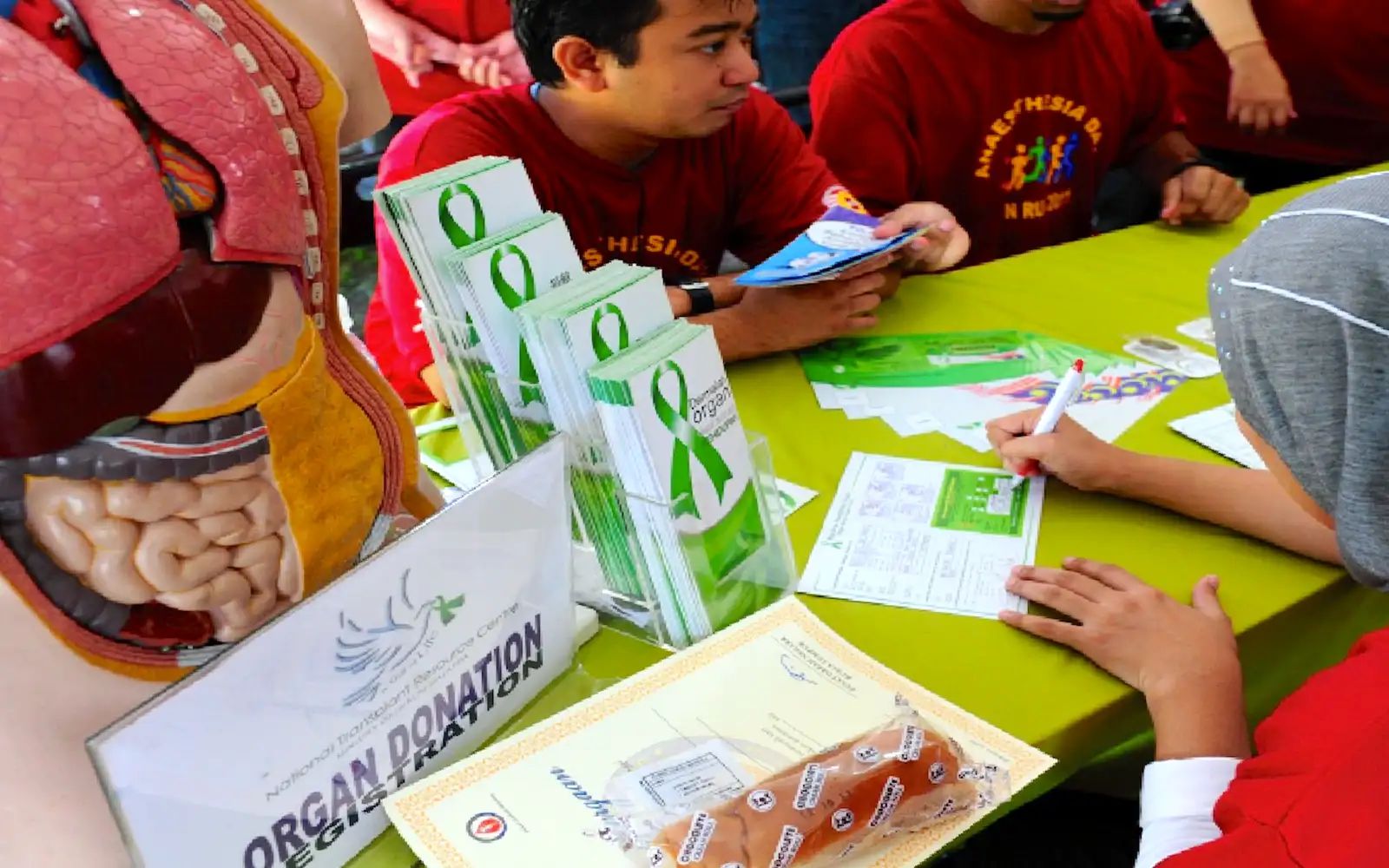
Despite such outcomes, organ donation remains hindered by a key challenge: family consent. According to the National Transplant Resource Centre, close to 90% of potential donations do not proceed due to family refusal – even when individuals had pledged to donate.
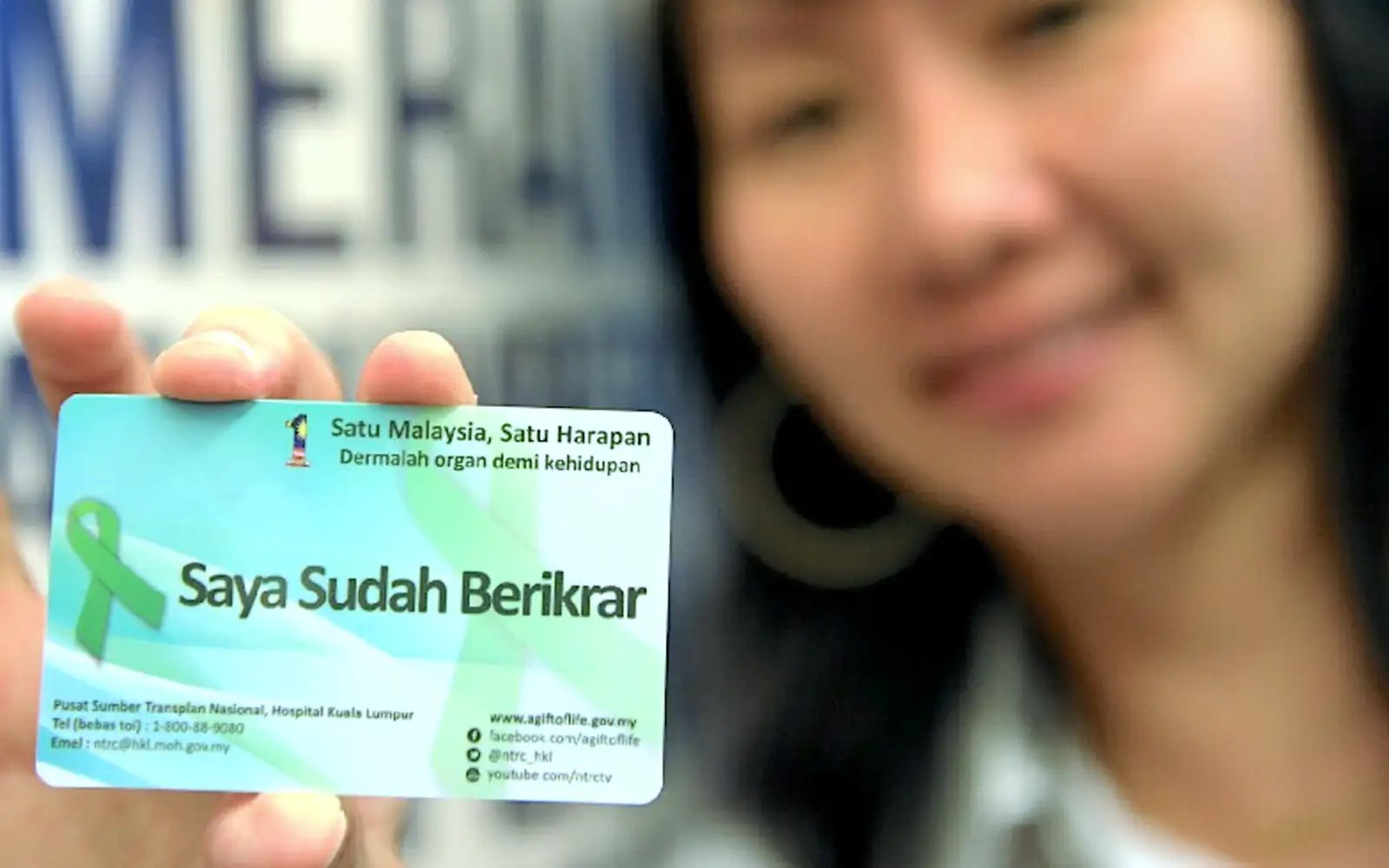
While registering for organ donation makes one’s intentions clear, Malaysian law requires family consent for any donation at the time of death. Conversely, unregistered individuals may have their organs donated if their families consent to it upon their passing.
One major reason behind family refusal is misunderstanding of the concept of brain death. Many believe a brain-dead person is still alive because the body remains warm and the heart continues to beat.
In reality, brain death is the complete and irreversible loss of all brain function, and is legally recognised as death in Malaysia under strict medical guidelines.
Religious beliefs and cultural values also play a part in how families respond in such situations.
Lim, a Buddhist, said while organ donation is encouraged as an act of compassion, uncertainty remains over whether brain death constitutes complete death, particularly as other organs continue to function.
For Hindu devotee N Kuvineswaren, organ donation is seen as a charitable act, but emotional factors and family consent often become the main barriers.
“In our culture, preserving the feelings and well-being of parents is very important,” he said, adding that greater awareness from religious leaders could help communities better understand organ donation.
Alex, a Christian, said his faith does not prohibit organ donation, but misconceptions persist within families.
“There is a belief that the body should remain whole at burial, which can make it difficult for families to agree,” he said.
Among Muslims, similar concerns arise, often linked to uncertainty about brain death and the condition of the body.
Islamic authorities, however, recognise brain death as true death, provided it is confirmed through rigorous procedures by specialist doctors.
Organ donation is considered permissible in Islam as it aligns with the principle of preserving life (hifz al-nafs), as long as there is no commercial element and the intention is to help others.
The withdrawal of life support is also allowed when there is no chance of recovery, with the consent of the patient’s next of kin.
Medical experts emphasise that patient care always comes first, and death is only declared after strict and multi-layered assessments. Organ donation is only considered after this point.
Ultimately, greater awareness – and open conversations within families – are crucial to changing perceptions, experts stress. Without them, many opportunities to save lives may continue to be lost.