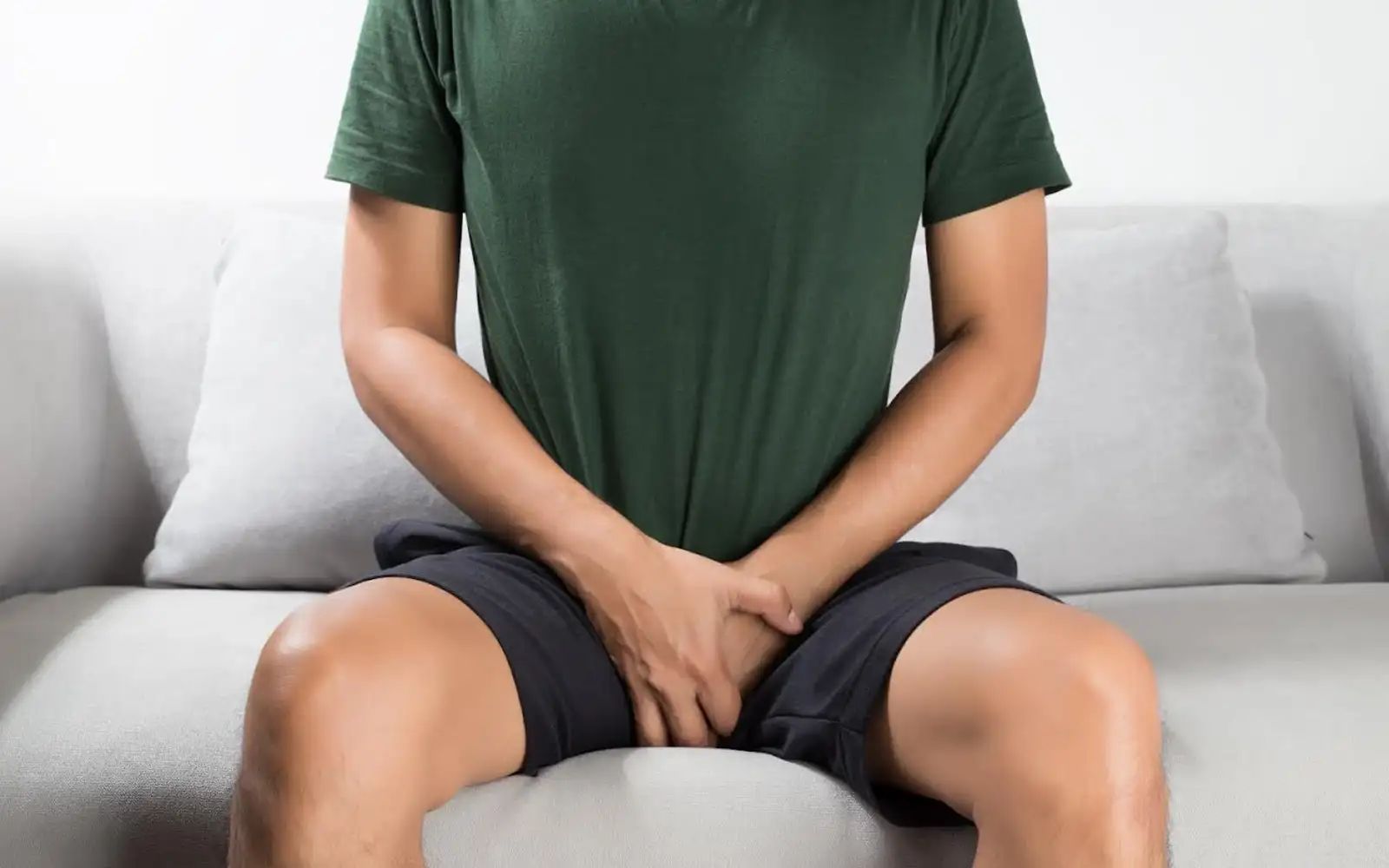
But increasingly, more men are choosing to undergo the procedure later in life – not for religious reasons, but because of growing awareness around hygiene, comfort and personal health.
Medical practitioners say conversations surrounding men’s intimate wellness have become more open in recent years, especially as self-care and preventive healthcare gain wider attention.
Aesthetic medical practitioner Dr Chen Tai Ho said the shift is not unique to Malaysia: countries such as South Korea and the Philippines have also seen circumcision increasingly viewed through a healthcare and lifestyle lens.
“From a medical perspective, circumcision can help improve hygiene and reduce the risk of infections in intimate areas,” he said.
He noted, however, that many men remain hesitant about the procedure, often due to fears surrounding pain, recovery time, and disruptions to work or daily routines.
“Some assume healing takes much longer in adulthood. Many are also worried they may not be able to work comfortably afterwards.”
Another major factor is the lack of awareness about newer circumcision techniques, which are designed to be quicker and less invasive than traditional methods.
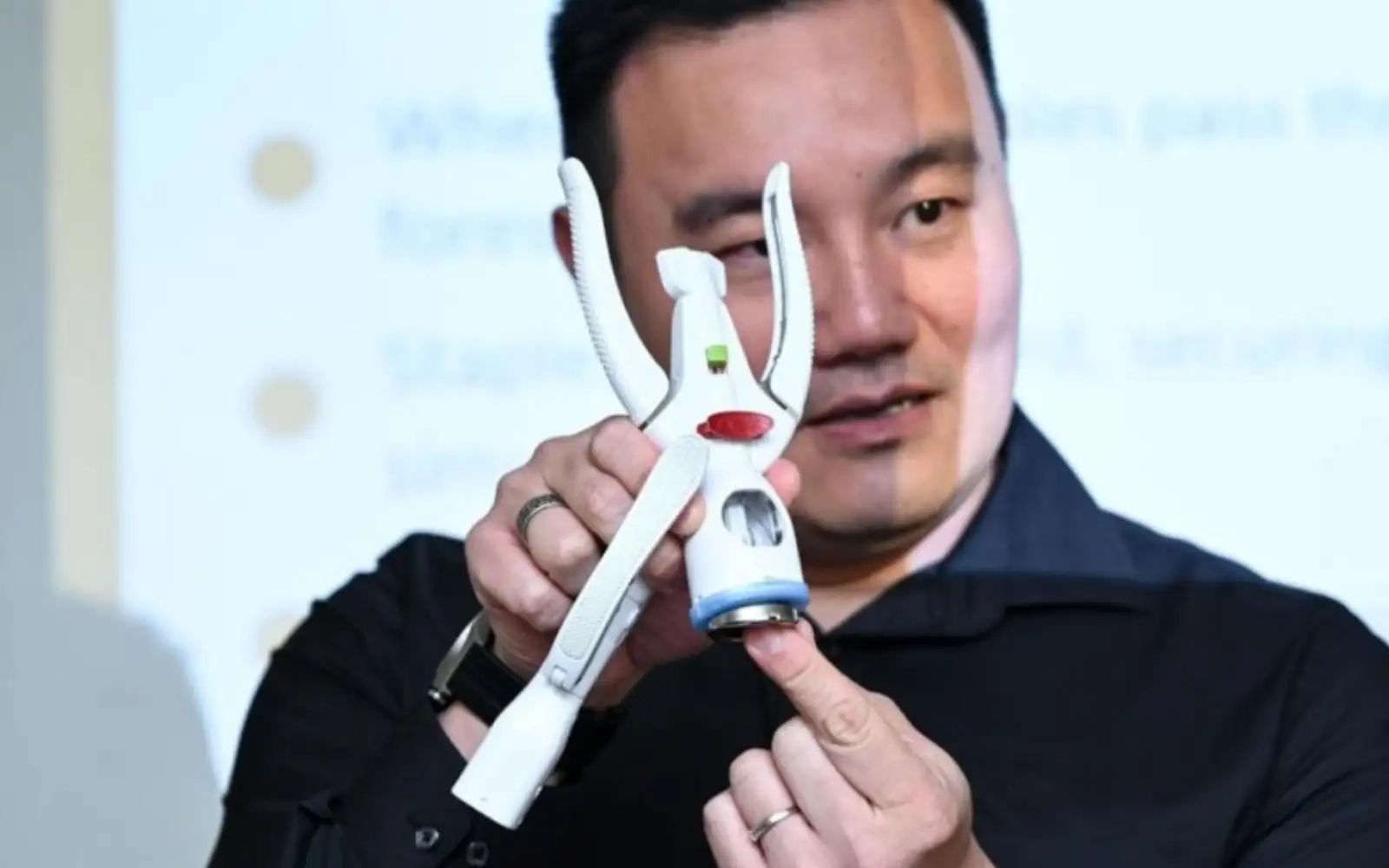
According to Chen, technologies such as stapler circumcision or ZSR methods can reduce bleeding and eliminate the need for stitches.
ZSR circumcision is a modern, minimally invasive procedure using a stapling device to simultaneously cut the foreskin and seal the edges.
It typically takes under 10 minutes, is virtually bloodless, requires no traditional stitches, and allows most patients to return to light daily activities within one to two days.
“When people learn about these newer options, they realise the procedure is not as intimidating as they imagined,” Chen added.
For 39-year-old Jonathan Chong, deciding to undergo circumcision took time because many of the stories he had heard from friends on painful recoveries and lengthy healing periods.
“I thought the traditional process would be very painful and take a long time to heal,” he shared.
Eventually, concerns about hygiene became the deciding factor, especially since his active lifestyle and frequent travel made maintaining personal cleanliness difficult at times.
After learning more about modern ZSR technology and its reportedly faster recovery process, Chong decided to go ahead with the procedure.
Chen believes the growing openness surrounding men’s health is helping reduce stigma around conversations once considered uncomfortable or taboo.
“Men are becoming more willing to discuss personal health issues openly instead of quietly tolerating discomfort,” he concluded.