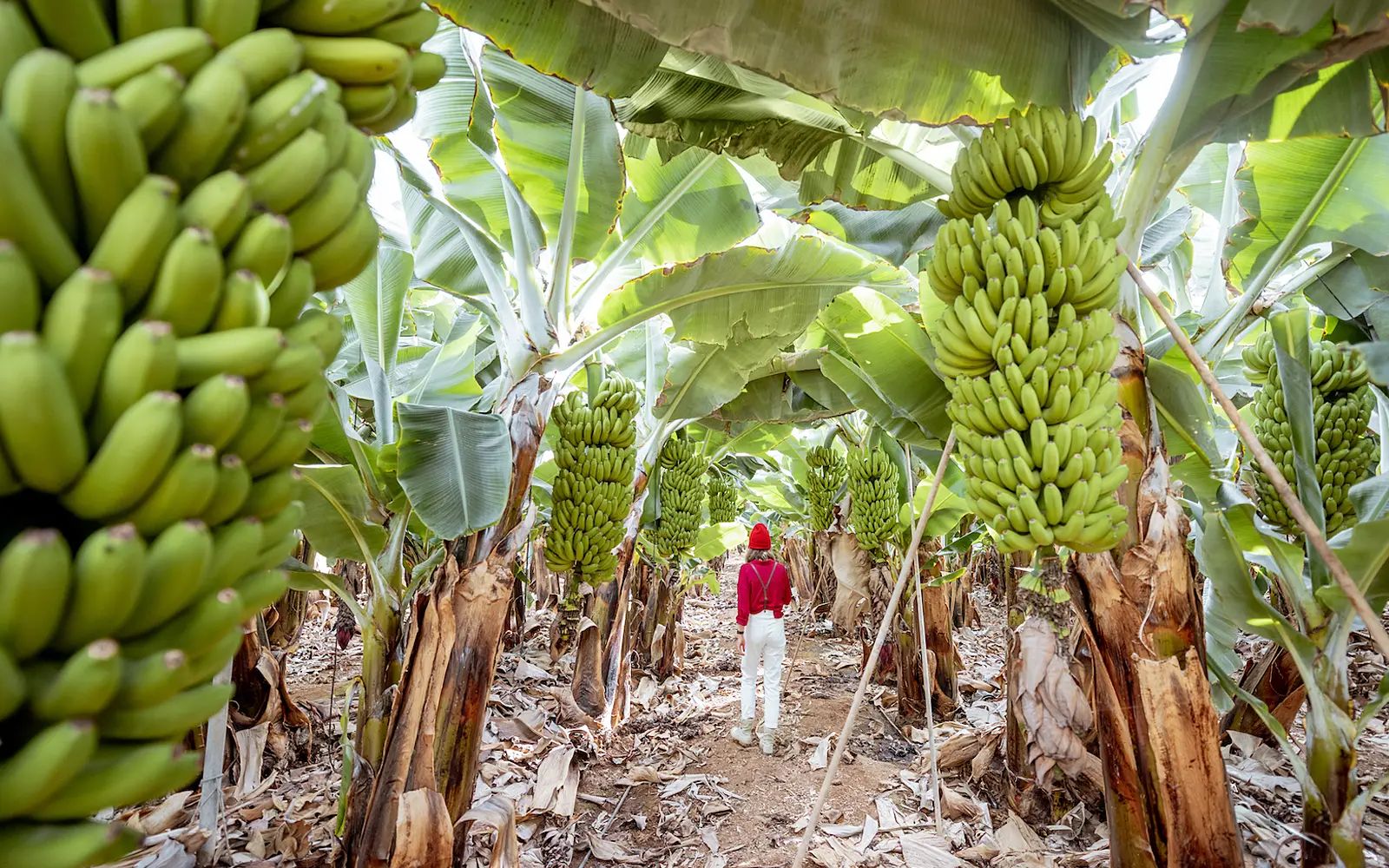
But every year on April 15, World Banana Day offers a chance to look again at this everyday fruit and what it might represent beyond the plate.
In Malaysia, bananas are deeply woven into food culture, from pisang goreng at roadside stalls to traditional kuih passed down through generations. Across Southeast Asia, however, they are part of a much bigger story – one that touches on farming, sustainability, and even forest conservation.
Globally, banana consumption continues to grow, but the industry is under increasing pressure from climate change, crop disease and land-use changes. In Malaysia, production is expected to decline slightly in the coming years, even as demand remains steady.
That tension between demand and sustainability is playing out in small but meaningful ways across the region. One such story unfolds in Penyandingan Village in south Sumatra, Indonesia, where bananas have become part of a humble effort to protect forests and support local livelihoods.
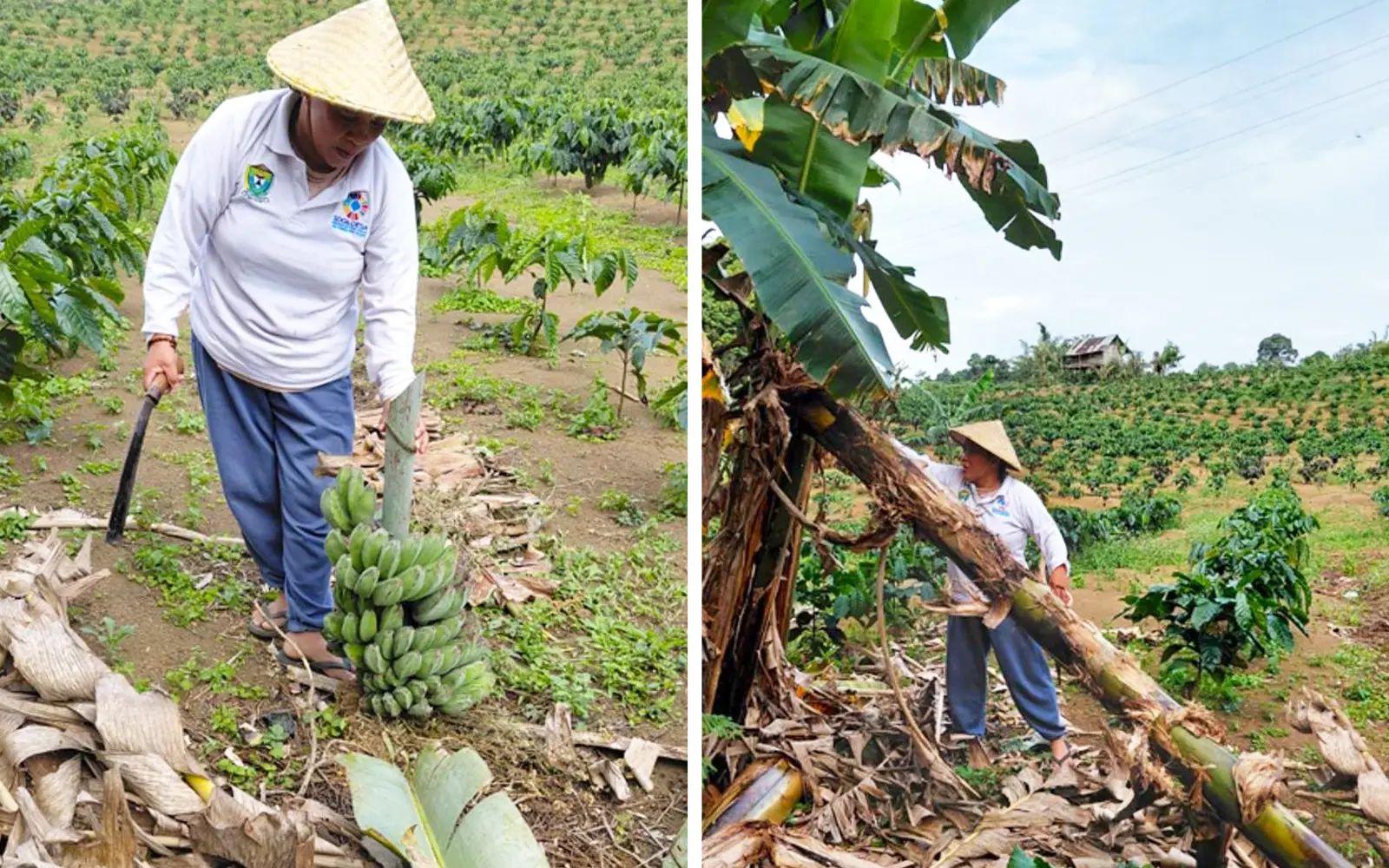
At the centre of it is Anita Tasriah. A resident of the village, Anita has taken on a leadership role in organising local women to help safeguard the Ghimbe Pramunan Customary Forest, a 43.7-ha stretch of land rich with rivers, bamboo, rattan and wild banana trees.
For generations, the forest has been protected through customary practices and a deep sense of responsibility passed down within families.
“This forest has been guarded by our ancestors since long ago,” Anita said. “There are boundaries, there are rules. It must not be damaged.”
But protecting it has not always been easy. Illegal logging in surrounding areas has put pressure on the forest, prompting the community to take a more active role in monitoring its condition.
Women, in particular, have become key observers of change.
“When heavy rain falls and the river suddenly turns murky, it is a sign that there is trouble upstream,” Anita said. “Usually, the women are the first to notice.”
Their role goes beyond observation. Through regular patrols and monthly discussions, they track changes in the forest and ensure resources such as bamboo, rattan and banana plants are harvested responsibly.
It was from this connection to the land that another idea took root. In 2023, the women formed a social enterprise group, KUPS Perempuan Anak Belai, turning bananas into a source of income while reinforcing their conservation efforts.
What started simply – making banana chips for family and guests – soon grew into something more organised.
“Initially, we made banana chips only for our own needs,” Anita said. “The process was very simple.”
With support from a local organisation, the group developed a small business under the brand Love Bana, improving production while keeping traditional methods at its core.
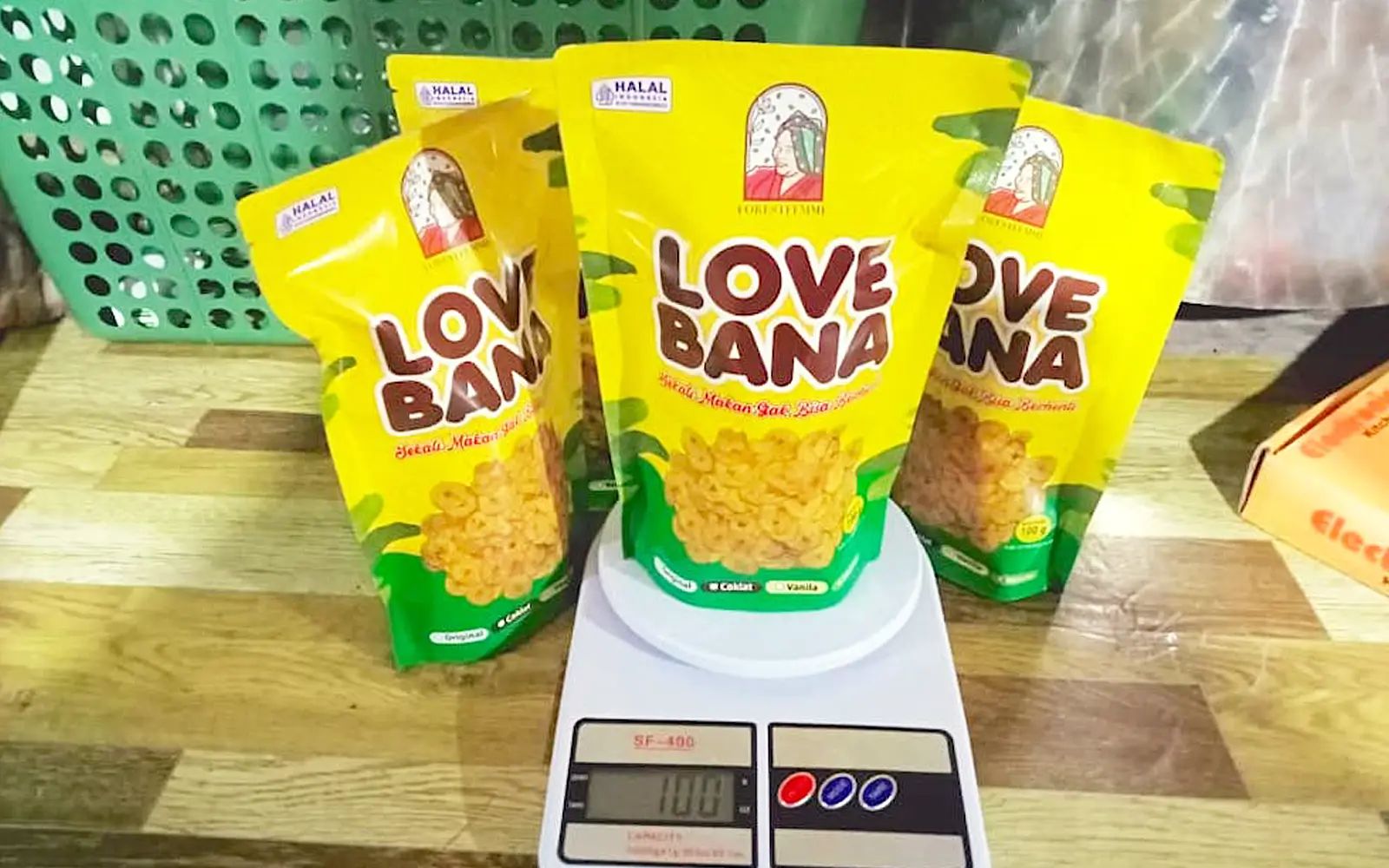
Today, the effort supports dozens of women, including housewives and the elderly, who are involved in preparing, packaging and selling the products.
At the same time, they have planted around 100 banana trees within an agroforestry plot, ensuring a steady supply while contributing to the restoration of the surrounding environment.
The impact may be modest but it is meaningful. Income has increased, confidence has grown, and the forest remains standing.
For Anita, the goal is simple. “I want to see more village women become confident, earn an income, and remain active guardians of the forest,” she said.
If the forest is lost, she added, everything else goes with it.
Back in Malaysia, stories like this offer a different way of seeing a familiar fruit. On World Banana Day, it is worth remembering that beyond the kuih and snacks, bananas can carry connections among people, livelihoods, and the land on which they depend.