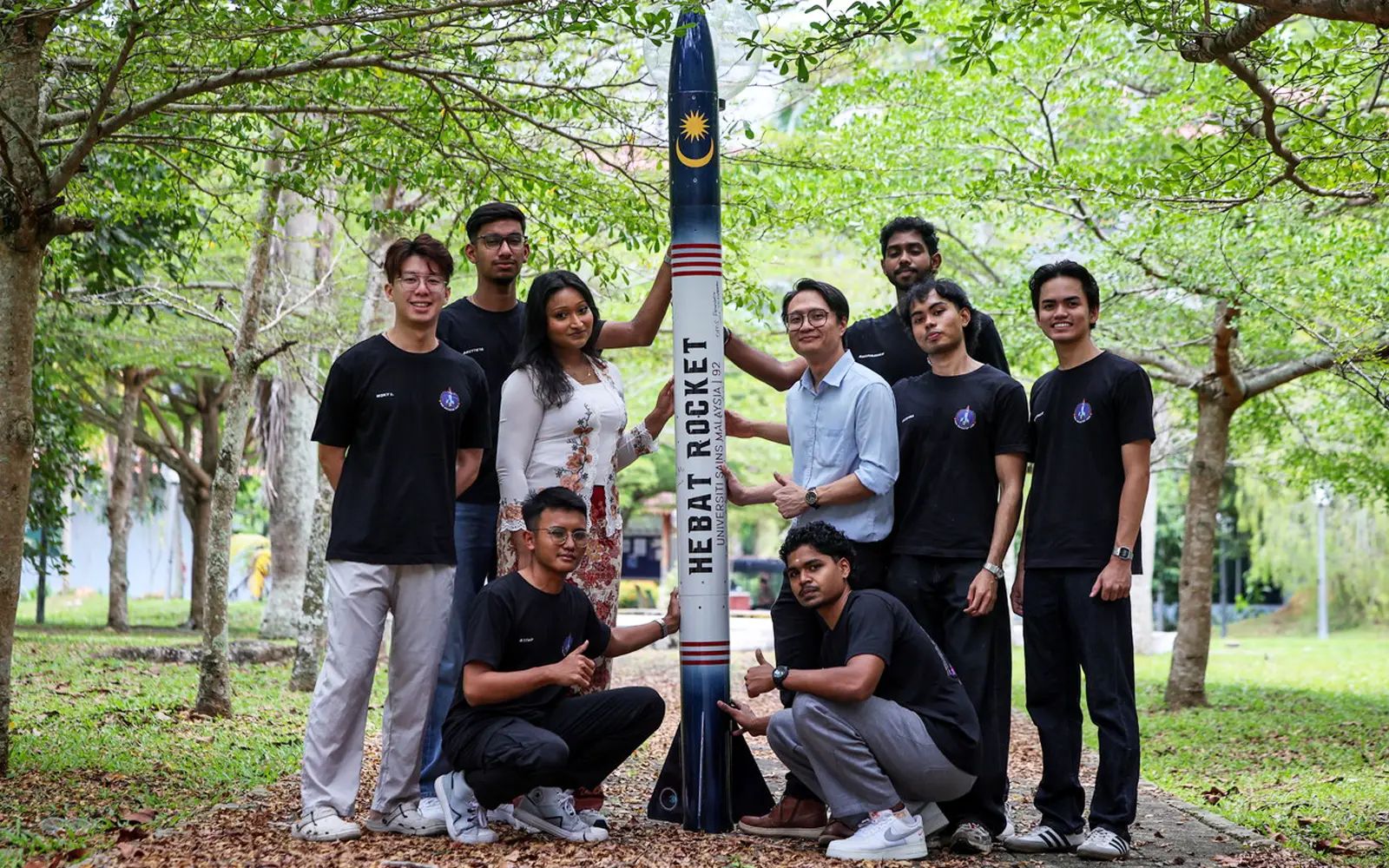
They are building a rocket.
The 10-member team, known as WAU Rocketry USM, is set to represent Malaysia at the International Rocket Engineering Competition 2026 (Irec 2026) in Midland, Texas – one of the world’s largest student rocketry events – in June.
For team leader P Vymarleena Avriel, 23, the journey has been nearly a year in the making, filled with long nights, tight deadlines and plenty of trial and error.
“We work overnight and spend long hours in the lab,” she told Bernama. “Even during semester breaks, we stayed on campus to continue building the rocket.”
Their creation, Apex-1, is designed to soar up to 10,000 feet (3,048m), placing them in the “Commercial Off The Shelf” category – a class that demands precision engineering, careful simulation and rigorous testing.
It may not be a Nasa-scale launch, but the challenge is no less intense.
“You design it, you build it, you launch it,” Vymarleena said. “And you’re competing with teams from all over the world.”
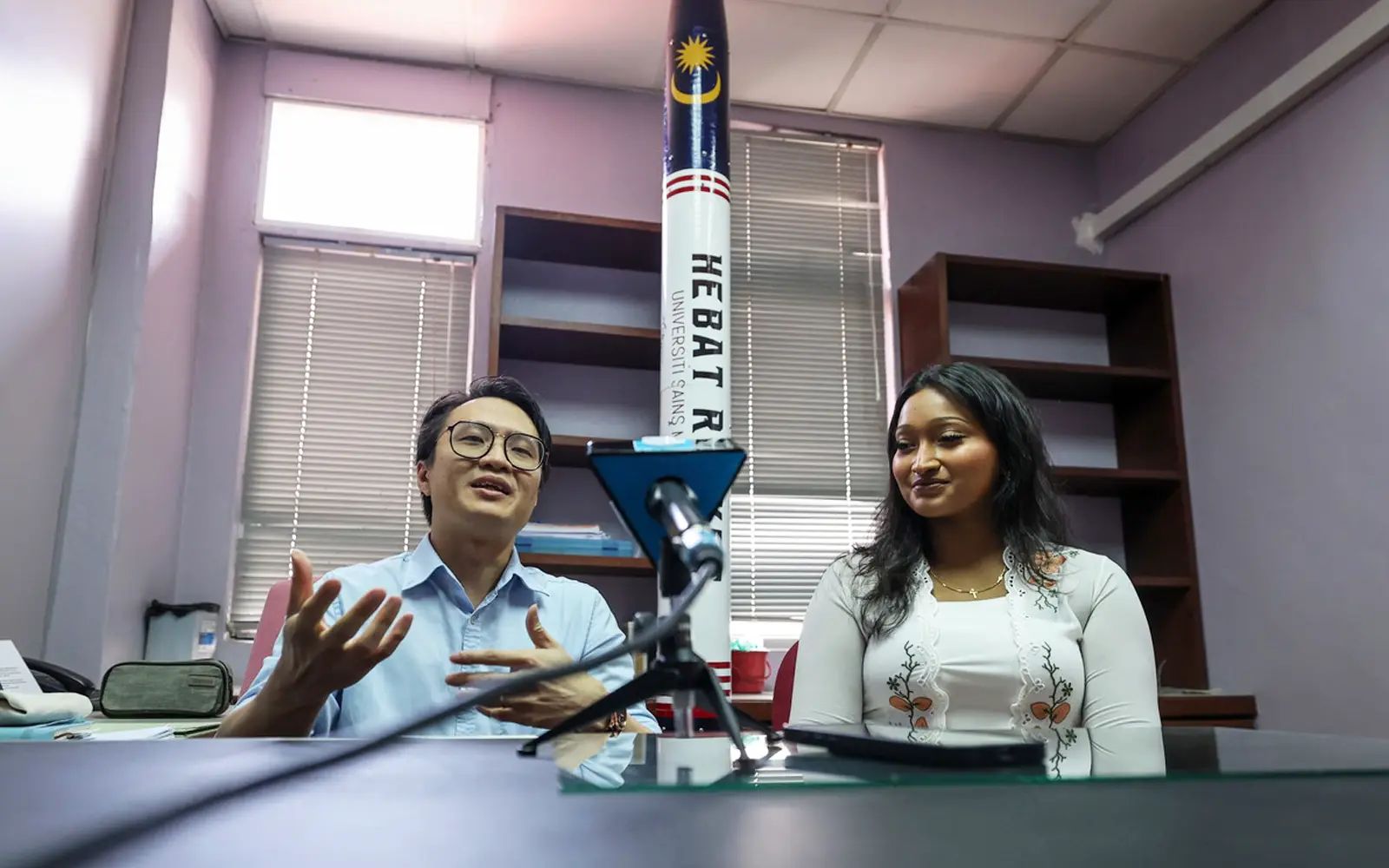
Getting to that launchpad has been anything but straightforward. As the only woman in the team, Vymarleena leads a group of mostly third-year aerospace-engineering students, who are balancing packed academic schedules with the demands of a high-stakes project.
The process began with a fully online application, requiring detailed computer-aided designs, simulations and technical reports.
From there came multiple rounds of scrutiny – from preliminary design submissions to critical reviews and final flight-readiness checks – each one bringing them closer to the moment their rocket leaves the ground.
Then there is the question of funding. “As a student team, money is one of our biggest challenges,” she said, “not just for the rocket components, but also for travel to the US.”
The team has been actively seeking sponsors and support, piecing together resources to keep their dream on track.
Furthermore, there are logistical challenges unique to building rockets in Malaysia. Strict regulations mean the team must assemble Apex-1 locally, dismantle it for transport, and then reassemble it in the US, where the rocket motor – classified under tight controls – will be installed before launch.
Still, the team remains optimistic. “With our current progress, I’m really confident,” said Vymarleena. “We are aiming for at least a Top 5 result, but we believe we can achieve even more.”
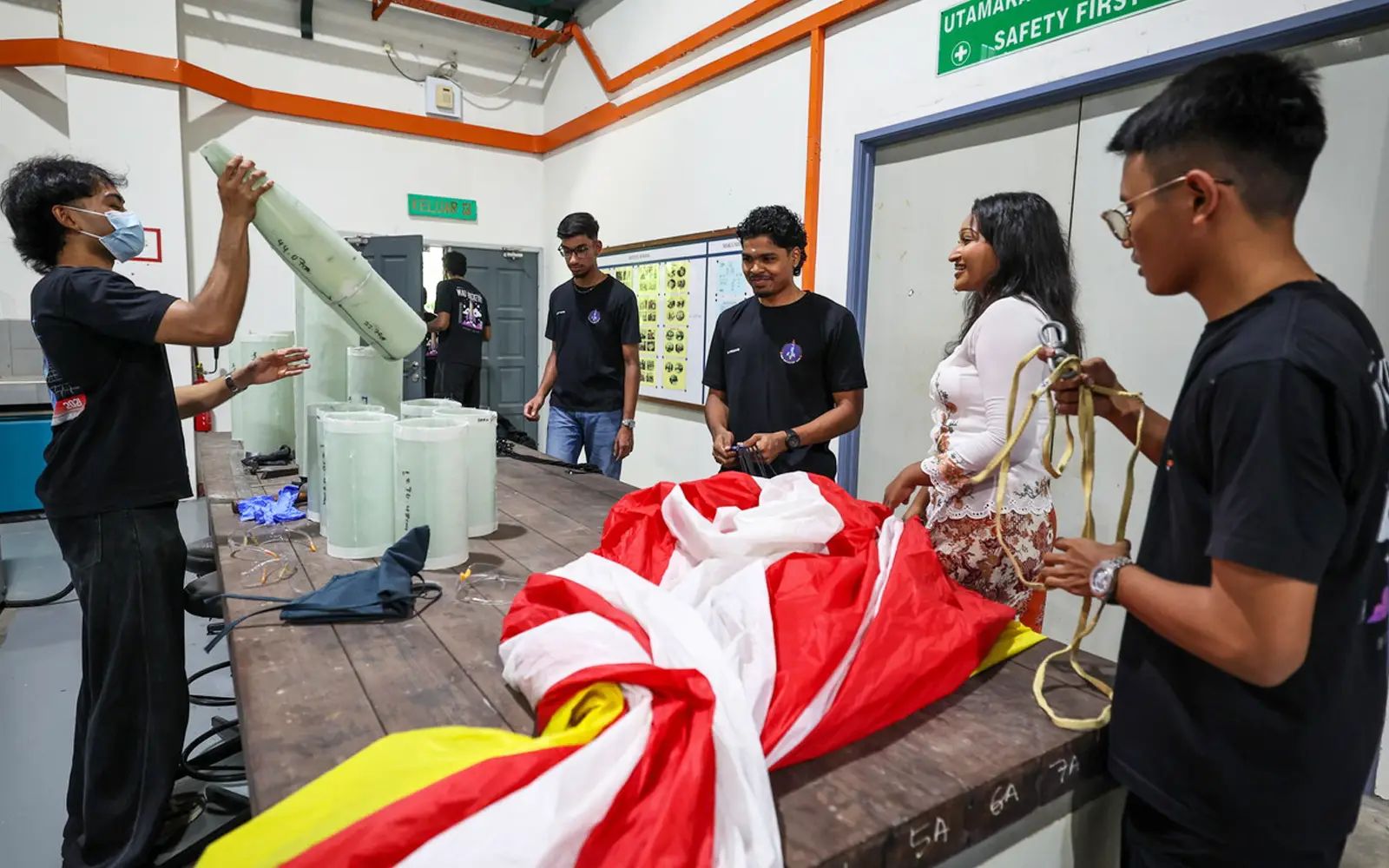
Their confidence is not without reason: USM teams have made their mark before, including a seventh-place finish at Irec in 2022 and a strong showing at Teknofest 2025 in Turkey, where they secured third place with their Hebat-3 rocket.
According to project supervisor Chang Wei Shyang, this new group has shown something special.
“This batch really has the fire to continue,” he said. “They meet their deadlines without needing reminders, and the rocket is almost ready. That speaks for itself.”
For Chang, competitions like Irec go beyond rankings: they offer students a chance to apply what they learn, test their limits, and prove that Malaysian talent can stand alongside some of the best engineering schools in the world.
Back in the lab at USM, the team is now in the final stretch. There are still parts to refine, systems to test, and details to perfect.
But for a group of young adults who have spent months turning sketches into something that can fly, the goal is already clear.
Come June, they will be standing in Texas, watching their rocket rise. And for a few seconds at least, all those long nights will quite literally take off.