
In reality, most people with the condition perceive colours but experience difficulty distinguishing between certain shades, particularly reds and greens, which can subtly but significantly affect everyday tasks.
What is less widely known is how strongly the condition is linked to gender. Men are far more likely to be affected – a pattern rooted in basic genetics.
According to optometry specialist Dr Rokiah Omar, the gene responsible for producing photopsin, the pigment that enables colour vision, is located on the X chromosome.
As men have only one X chromosome, any defect in that gene is expressed directly. Women, with two X chromosomes, are more likely to compensate for a faulty gene with a functioning one, often becoming carriers without showing symptoms.
“If the father is normal and the mother is a carrier, about 50% of sons may be colour blind, while 50% of daughters may become carriers,” she outlined.
In Malaysia, an estimated 4.8% of men are born with colour vision deficiency, a figure consistent with global estimates of around 8% of men compared with just 0.5% of women.
Medically, congenital colour blindness is linked to genetic changes affecting cone cells in the retina, which are responsible for detecting different wavelengths of light.
However, colour vision problems are not always inherited; they can also develop later in life as a result of underlying health conditions. Uncontrolled diabetes, for example, can damage retinal blood vessels, while glaucoma, cataracts and macular degeneration may also interfere with colour perception.
Certain medications that affect the optic nerve can produce similar effects.
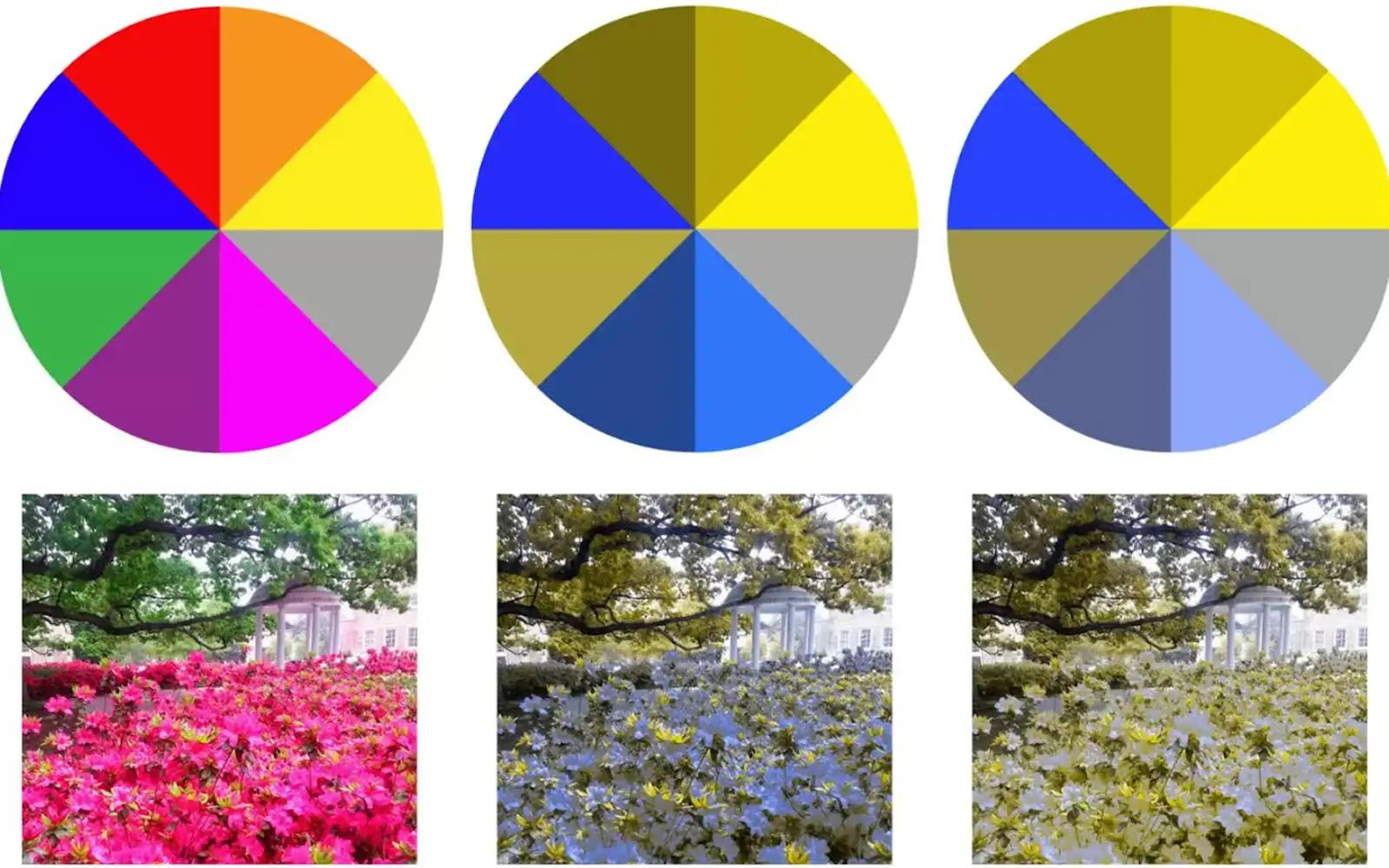
Many individuals remain unaware of their condition for years. In some cases, it is only discovered during routine screenings for driving licences or job applications, when colour perception is formally tested.
The impact, while not life-threatening, can extend beyond minor inconvenience. Difficulties in distinguishing colours may affect safety, such as recognising traffic signals, as well as routine activities like assessing food ripeness or interpreting colour-coded instructions on household appliances.
It can also influence education and career pathways: fields that depend on precise colour recognition – such as aviation, electrical engineering, pharmacy, and certain security roles – often require normal colour vision.
Technical and vocational courses, particularly in electrical, electronic and mechanical disciplines, similarly rely on colour-coded systems for safety and accuracy.
As a result, students with colour vision deficiency may find themselves having to reconsider career options, even when they have a strong interest in technical fields.
Rokiah noted that this mismatch highlights the need for better coordination between early screening and career guidance, so students can make informed decisions before committing to specific pathways.
Data from school programmes conducted by the health and education ministries indicate that detection rates have increased since 2013. However, this reflects improved screening methods rather than a true rise in incidence.
While there is no cure for congenital colour blindness, assistive options are available. Specialised lenses and glasses can enhance contrast and make certain colours easier to differentiate, although accessibility remains limited due to cost.

Navigating challenges
For Helmi Ali, a 28-year-old teacher in Sarawak, living with colour blindness has meant learning to navigate these challenges rather than being defined by them.
He was diagnosed around age nine after his art teacher noticed inconsistencies in his colouring.
“When people hear colour blindness, they assume I can only see black and white, but that’s not true,” he said. “I can see colours, but I mix up certain ones.”
That confusion still surfaces in everyday situations. During one Hari Raya shopping trip, he chose the wrong-coloured outfits, only to realise his mistake later.
Now, he often relies on family members when selecting clothes.
On the road, he has adapted by memorising the position of traffic lights, though newer systems with countdown timers have made navigation easier.
Experts say early screening, ideally at preschool level, can help children and families better understand the condition from a young age. With greater awareness, appropriate guidance and practical support, colour vision deficiency becomes less of a limitation and more of a difference to be managed.
For many, it simply means learning to see the world in a slightly different way.