The late 1960s and early 1970s were, in many ways, a study in contrasts. There was discipline at home and in school, where restraint and respect were drilled into the young.
Yet beyond that, curiosity flowed freely. Cinemas screened risque European films and racy magazines sat on newsstands in what many still remember as an age of innocence.
Youth culture was being policed through anxieties about “yellow culture,” hippies, long hair, marijuana, mini-skirts, and live music events.
It was a Malaysia that did not quite know where to draw the line; a generation testing the limits of taste, dress and freedom.
And into that space came a song that seemed to live on the edge of it.

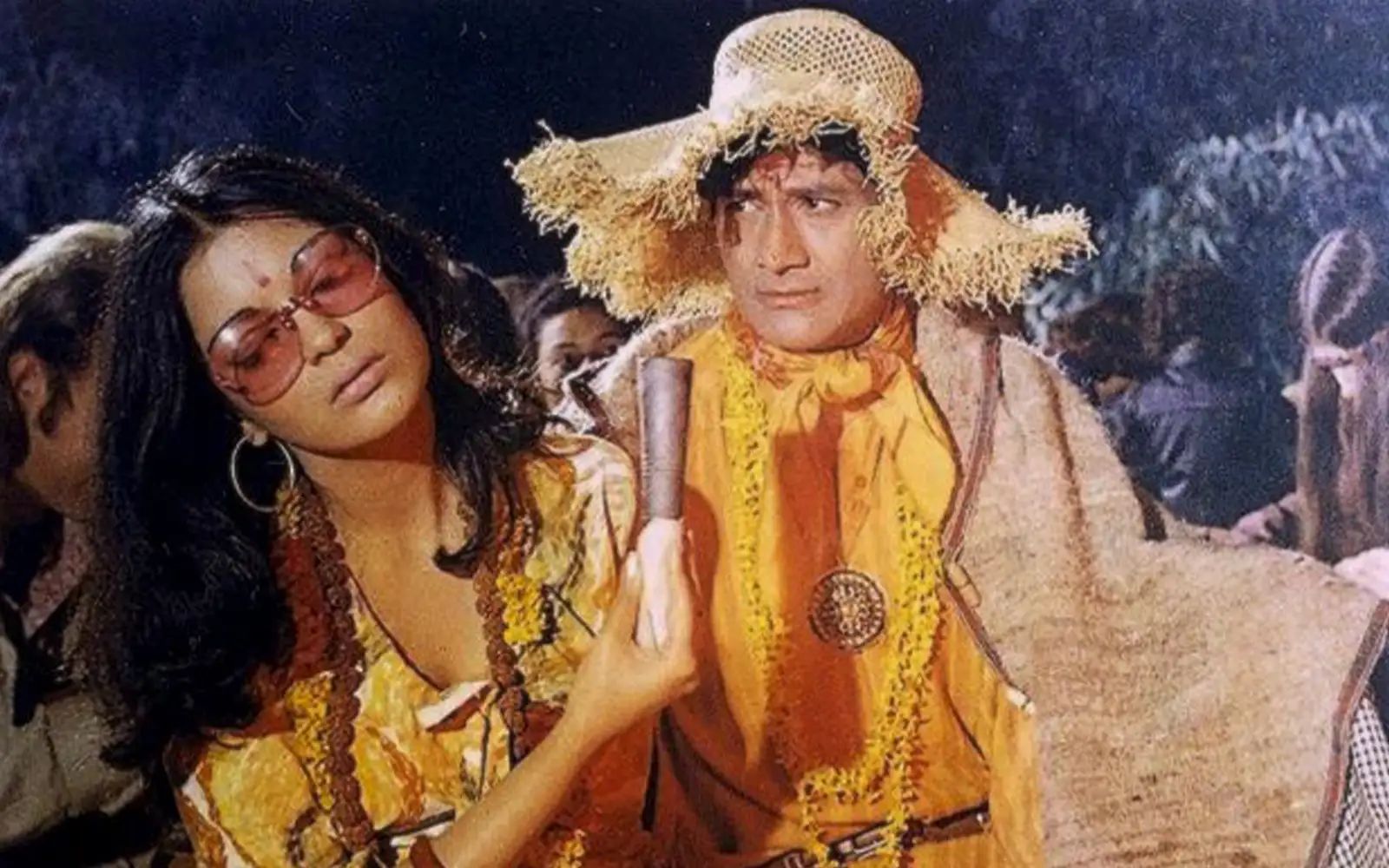
Dum Maro Dum, sung by Asha Bhosle, was never meant to become what it did. Released in 1971 as part of the film Hare Rama Hare Krishna, it carried the imagery of a drifting youth culture: smoke, detachment, and a rejection of norms.
In India, it would stir unease. In Malaysia, it would slip in more gently, but no less deeply.
Asha, who died on April 12 at the age of 92, sang thousands of songs across a career that defined Bollywood. But this one took on a life of its own.
The song that almost disappeared
The track began as an afterthought.
RD Burman and lyricist Anand Bakshi had been asked by Dev Anand to create a short, modern interlude for a party scene. Something light, something fleeting.
Bakshi drew from folk rhythm: dum maro dum, mit jaaye gham — take another puff (of a joint), all worries will vanish. Burman built a sound that felt new, restless, slightly dangerous.
It grew beyond its brief.
When Dev Anand heard it, he hesitated. The song felt too strong. It risked overshadowing the film itself and he considered dropping it entirely.
For a moment, it hovered on the edge of disappearance.
Then Bhosle intervened.
Upset, she went to Dev Anand and argued for its place. It was too good, she insisted, to be left out.
He listened. He relented.
The song stayed and what followed would surprise everyone.
Being part of the cultural fabric
In India, Dum Maro Dum exploded — and alarmed.
Its imagery unsettled authorities. The suggestion of drug use, embodied by Zeenat Aman in an iconic performance, led to bans on All India Radio and cuts from television.
But the more it was restricted, the more it spread. Across the region, it travelled on radio waves and film reels.
In Malaysia, it landed in a society that was already negotiating its own boundaries.
There were no sweeping bans on the song here, but its mood — free, suggestive, rebellious — contrasted sharply with the values being taught at home and in school.
And yet, people listened.
At the height of the film’s popularity, a talent show in Seremban captured that quiet shift.
A Malay girl, performing a duet with her partner, took to the stage with Dum Maro Dum. She imitated Zeenat Aman’s style from the film: the attitude, the looseness, the dressing, the confidence.
She won. A newspaper headline read, “Hippie girl wins talentime with Dum Maro Dum”.
It was a small moment, but telling. The song had crossed not just borders, but communities.
It resonated across Malaysia’s multiracial landscape, carried not as protest, but as performance.
It became, in its own understated way, part of the cultural fabric.
The years moved on, but the song refused to fade globally. It played in clubs and weddings, on radio and later on digital playlists.
Its opening riff remained instantly recognisable, its rhythm impossible to ignore.
Artistes revisited it and producers sampled it. Even global platforms would echo its sound decades later.
Each time, it returned not as nostalgia, but as something still alive.
Part of that endurance lies in Bhosle herself. Where the song could have been novelty, she gave it character.
There was mischief in her voice, but also control. A sense that she understood exactly how far to push.
She did not just sing it. She claimed it.
Today, as the world remembers Bhosle, Dum Maro Dum stands as more than a hit from a distant era.
It is proof that some songs arrive before people are ready for them, and stay because they speak to something deeper.
In India, it became a defiant anthem. In Malaysia, it became something quieter, but no less lasting: a reflection of a society learning, in its own careful way, how to look at the world beyond its boundaries.
It was never meant to survive. But then, the songs that matter rarely ask for permission.