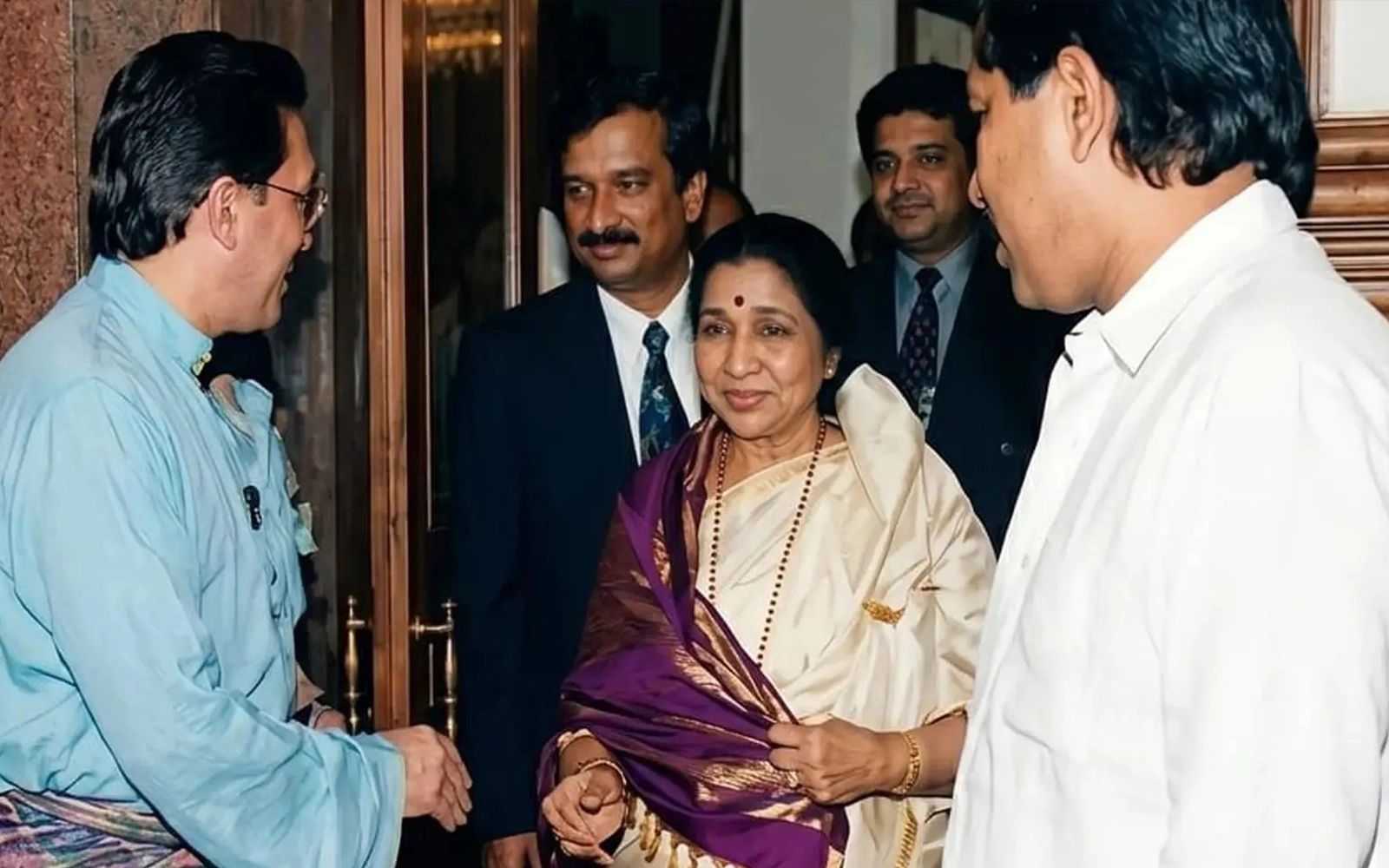
She looks relaxed, almost amused, as if the moment has caught her off guard.
Nearly three decades on, that photograph is meant to find its way back to him, not as protocol, but as memory.
Because for two weeks in Kuala Lumpur, Asha was not just a legend. She became something far more personal to those around her.
“Mummy ji,” Barani Krishnan called her.
And she answered like one.
The legendary singer, who died on April 12 at the age of 92, left behind a catalogue that defined Bollywood for generations.
But in Malaysia, her memory rests just as much in quieter moments — in kindness, laughter, and the way she made people feel seen.
When a legend chose Kuala Lumpur
When Asha arrived in Kuala Lumpur in November 1997, the city had not hosted a Bollywood voice of her stature since Mohammed Rafi in the 1970s.
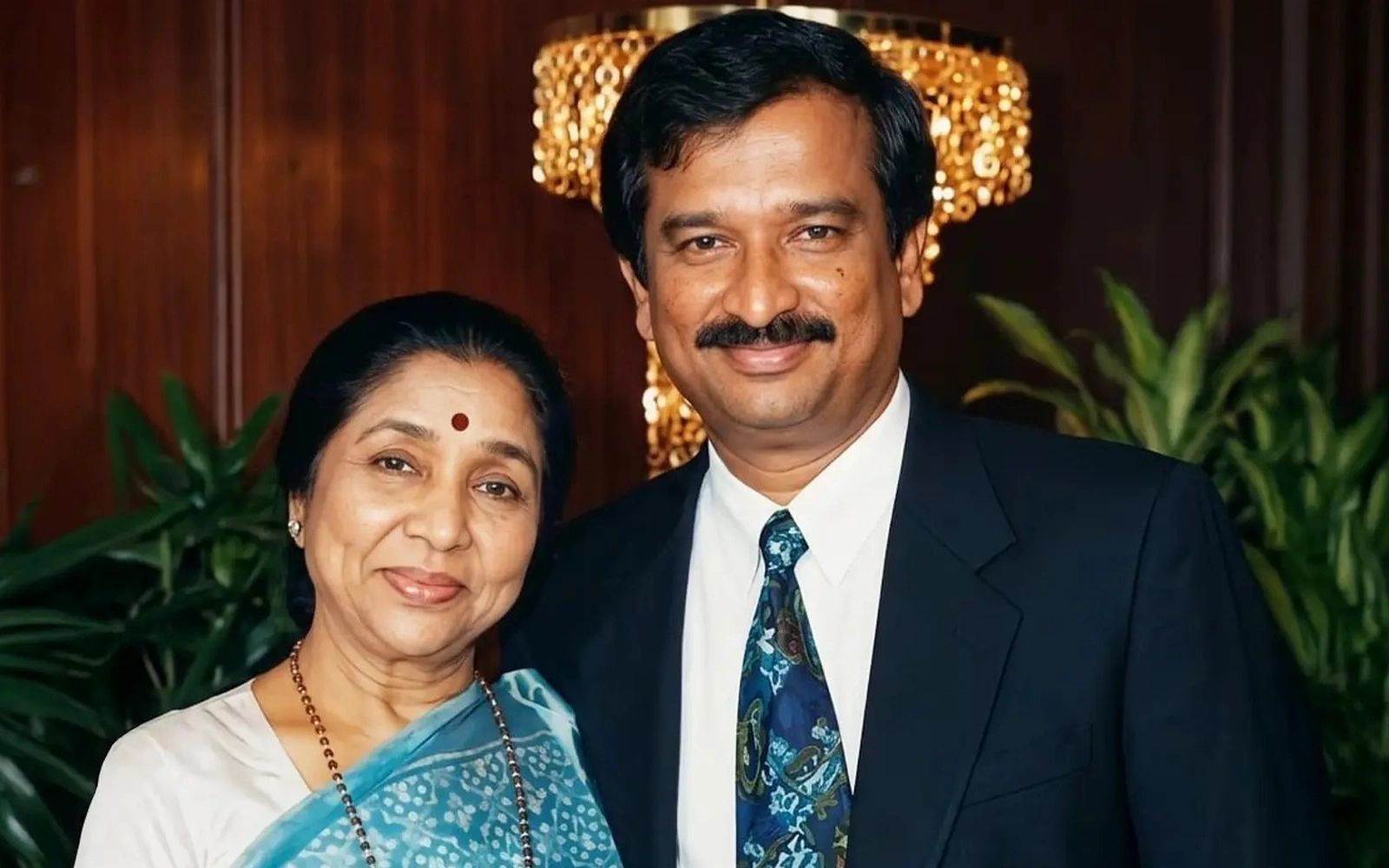
Her show, Moments in Time, promised more than music. It was a sweeping journey through her life and the evolution of Bollywood itself.
Promoter Raj Bhatt and his Imej Group were not simply bringing in a star. They wanted to prove that Kuala Lumpur could stage world-class performances.
The Putra World Trade Centre was reworked with upgraded sound and lighting, pushing it to standards rarely seen then.
Getting her there, however, took resolve.
Early talks in Mumbai were tense. Asha’s son and manager, Anand, was cautious. The Malaysian team had ambition but little international track record.
Meetings ended without certainty. At one point, the deal slipped away.
“We went with big dreams,” Barani, the publicist, recalls. “But Anand looked at us like we were not ready. And maybe, at that point, we weren’t.”
Months of groundwork followed in Kuala Lumpur. When the team returned to Mumbai, they came back better prepared, and driven by something deeper than logistics.
“This time, we went back not just with a proposal,” Barani says. “We went back with belief.”
They secured the agreement. And from that moment, everything changed.
The two weeks she became ‘Mummy ji’
Asha did something few global performers would consider. She arrived in Kuala Lumpur two weeks before the show.

It was an extraordinary decision. Most artistes fly in a day or two before curtain time. She came early, and she gave her time freely.
She stepped out of her suite at the Istana Hotel without fuss. She travelled across the city, sometimes for hours, visiting shelters that would benefit from the concert. She met people without cameras, without ceremony.
“She was like a mother and grandmother to everyone,” Barani says. “Not the superstar with this massive global following. Just… mummy ji.”
The name stayed.
It grew out of those days, when Barani found himself not just working with her, but learning from her. For the concert, he wrote a mini biography, weaving her life with the story of Bollywood.
When she read it, she teared up.
“Beta… no one has ever done anything like this for me.”
His reply came without hesitation: “Mummy ji, that’s why I had to do it.”
It marked the beginning of a bond that would last years beyond that visit.
One visit stood out.
At the office of then deputy prime minister Anwar, Asha expected courtesy. What she encountered was something else.
He spoke of her songs with ease. He delivered the Hindi lyrics with care. He knew her music not as a formality, but as a fan.
“She was stunned,” Barani recalls. “She didn’t expect that level of familiarity, that kind of love for her songs.”
After the meeting, she turned to the team and said, with quiet certainty, that they had chosen the right man to grace her concert.
It was a moment that reached beyond protocol. It showed how far her voice had travelled, and how deeply it had taken root in places far from home.
For all her warmth, Asha never loosened her grip on the work.
During one rehearsal, she watched a dance routine and frowned.
“What are you girls doing?” she asked.
Before anyone could respond, she stepped forward and showed them how it should be done. The room fell silent.
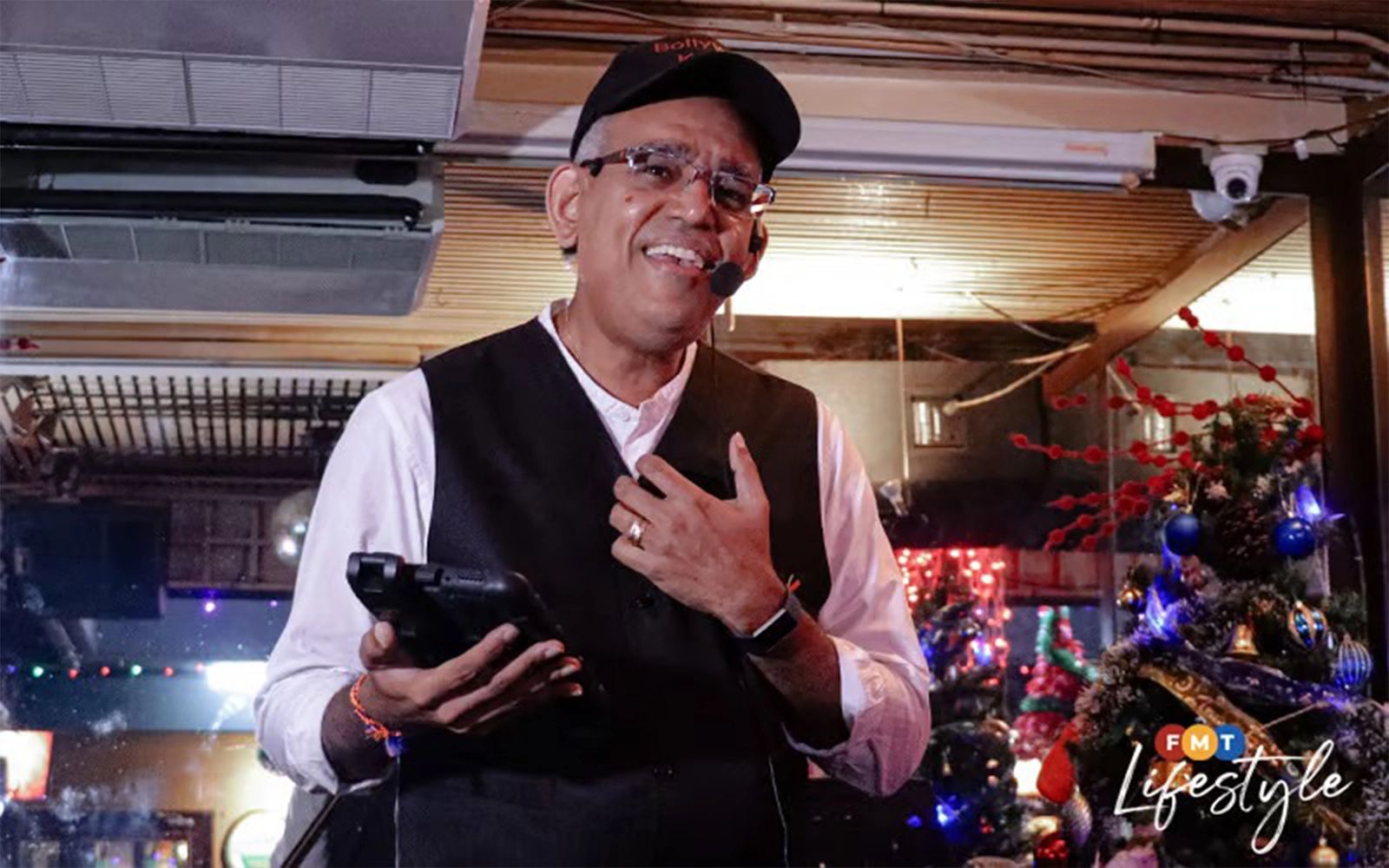
“She just took over,” Barani says, laughing at the memory. “And honestly, she was better than the choreographer.”
She was in her 60s then and on stage, she remained in command.
There were always bigger narratives around her. The boldness that set her apart from her sister Lata Mangeshkar.
The ease with which she moved across genres. The long and transformative partnership with her second husband RD Burman.
But in Kuala Lumpur, those stories felt distant.
Here, she was present: she laughed easily, she listened, she gave.
Lives made richer
When the concert finally came, it carried the weight of those two weeks. Every note felt closer. Every song felt shared.
For Raj, it marked a milestone. His company would go on to bring more Bollywood stars to Malaysia, including multiple shows headlined by Shah Rukh Khan.
It helped open doors for Indian filmmakers to see Malaysia as a destination.
For Barani, the impact was more personal.
“My life has been richer because of Asha,” he says. “From her voice, I learned how to modulate mine. I carried that with me.”
Years later, in New York, where he is an independent business journalist, reporting on Wall Street commodities and the Federal Reserve, Barani would sing the songs she once made famous. The bond never quite faded.
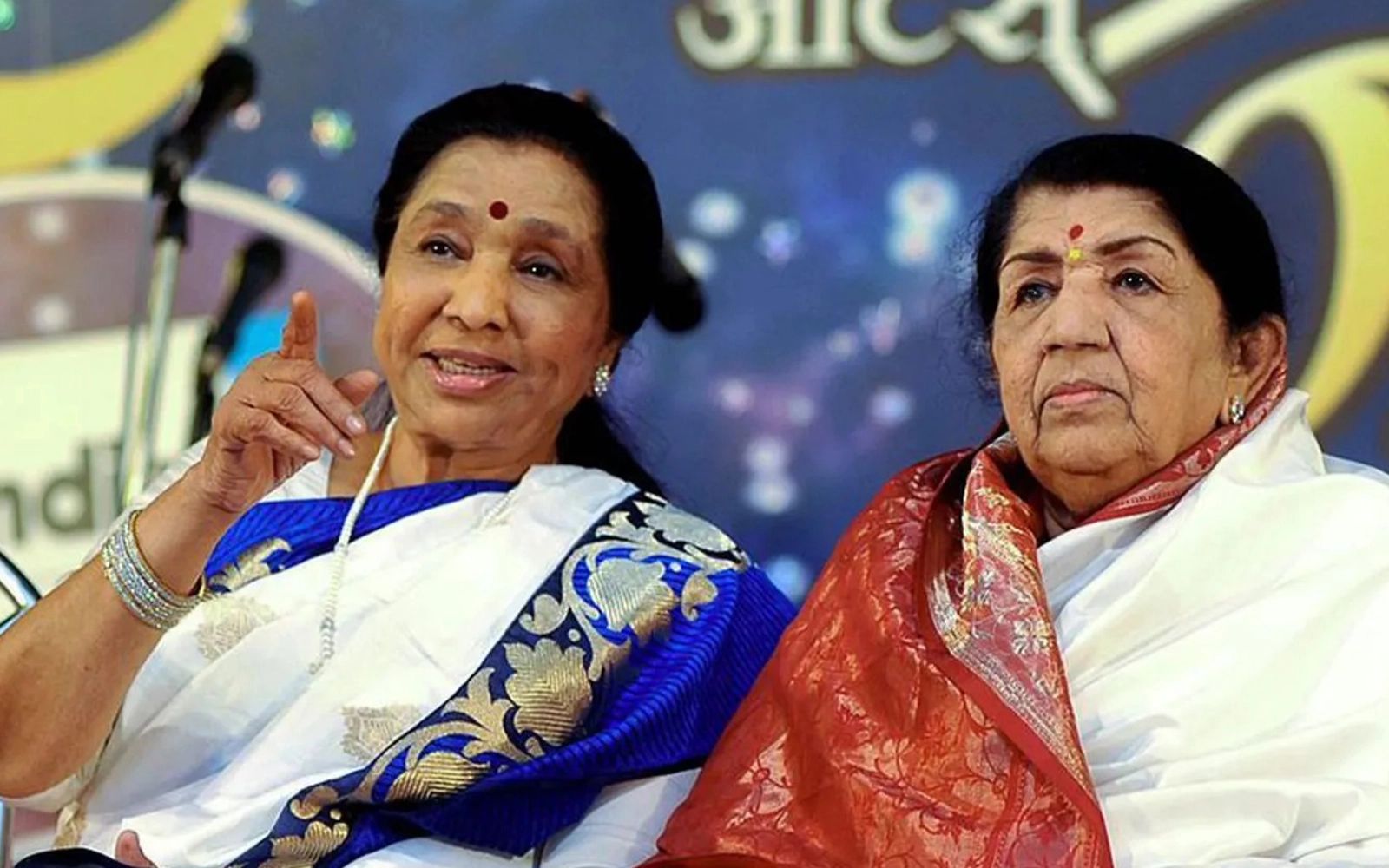
He invited her to his wedding. She could not attend, but they met again at a Virgin Records event in New York.
“Every time I touched her feet, she would pull me up,” he recalls. “She’d hug me, give me a peck on the cheek. That was her. Like a mother.”
Time has moved on. The voices of that era are fading. Asha now belongs to history in the way only legends do.
But memory resists distance.
Somewhere, a framed photograph waits to be handed over. Raj has kept it all these years. He hopes, one day, to place it in the hands of Anwar who shared that moment in 1997.
Not as a formal gesture, but as a reminder.
That once, for a brief and unforgettable fortnight, the sound of Bollywood came to Kuala Lumpur — and, in her own quiet way, made it home.