
Neurosurgeons are increasingly treating patients in their 30s and 40s, many of them professionals with demanding careers whose conditions are linked to chronic stress, high blood pressure and undiagnosed health risks.
Indeed, more young individuals are presenting with life-threatening brain emergencies, including brain haemorrhage, severe swelling, or aneurysm rupture that may require urgent intervention to prevent permanent disability or death.
Stroke remains the third leading cause of death in Malaysia, with a significant and growing burden nationwide. In 2019 alone, nearly 48,000 new cases were recorded, alongside close to 20,000 deaths and hundreds of thousands of people living with stroke-related disability.
More concerningly, stroke incidence among adults aged 35-39 has risen sharply in recent years, reflecting the growing impact of lifestyle-related vascular risk factors. The most severe cases often involve bleeding in the brain or dangerous swelling that can rapidly worsen without timely treatment.
The role of stress
While stroke is commonly associated with conditions such as hypertension, diabetes and high cholesterol, chronic stress is emerging as an important contributor, particularly among working adults.
Prolonged stress can lead to sustained high blood pressure, poor sleep quality and metabolic imbalance. Over time, these factors increase the risk of both ischaemic and haemorrhagic stroke.
Unfortunately, common symptoms such as headaches, dizziness or fatigue are often mistaken for work-related stress rather than early neurological warning signs.
One of the biggest challenges is that many risk factors develop without obvious symptoms. High blood pressure, in particular, can gradually weaken blood vessels in the brain, increasing the likelihood of intracranial haemorrhage or aneurysm rupture.
Yet many young professionals remain unaware of these risks until severe complications arise. By the time symptoms appear, the situation may already be critical.
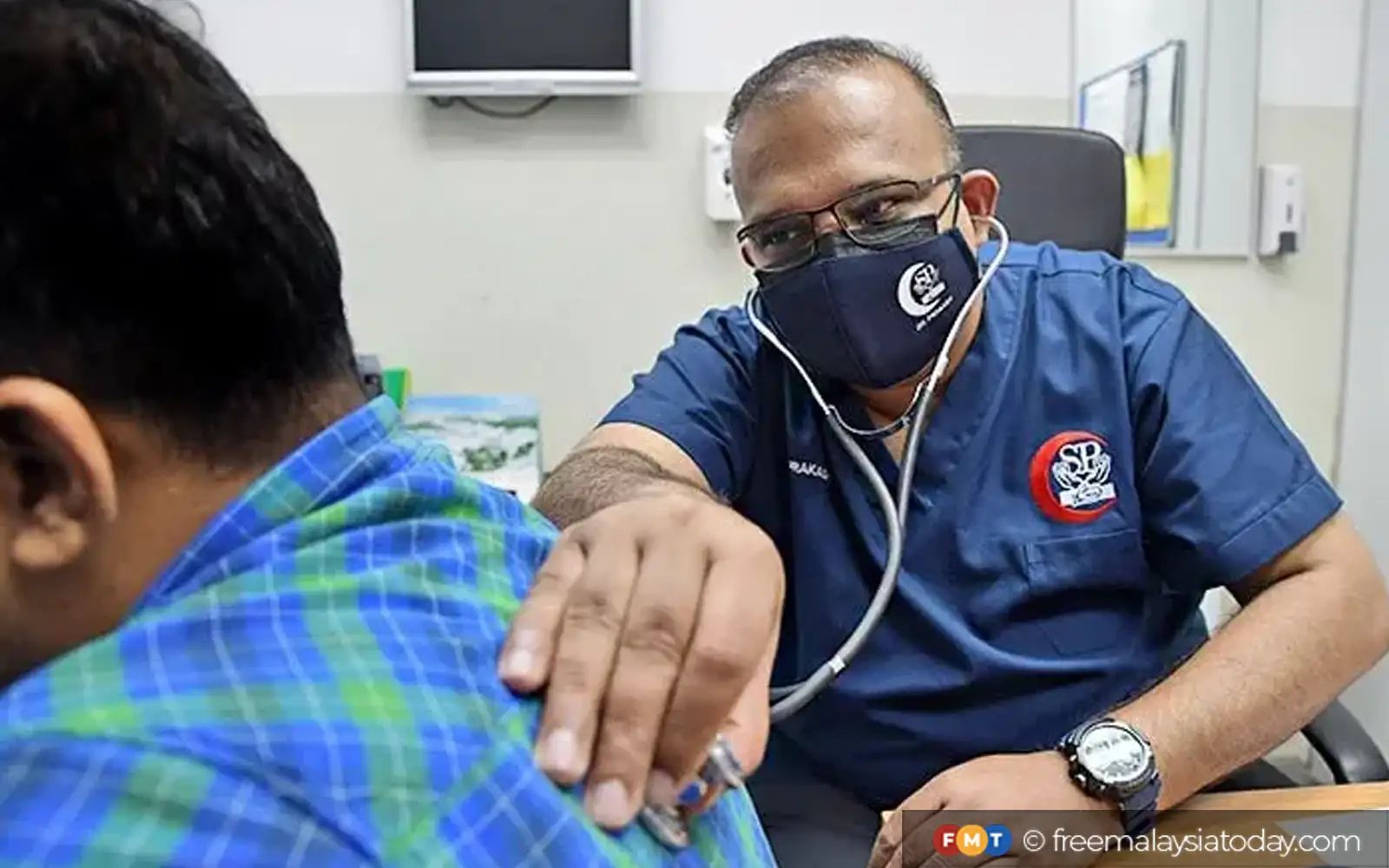
Not all strokes require surgery, but some can escalate rapidly into life-threatening conditions. Surgical intervention may be necessary in cases involving severe brain swelling, significant bleeding, ruptured aneurysms, or fluid buildup in the brain.
In such situations, rapid referral and treatment significantly improve survival and recovery outcomes.
Warning signs and prevention
Early recognition is crucial, especially among younger adults who may not consider themselves at risk. Warning signs include:
- sudden weakness or numbness on one side of the body;
- difficulty speaking or understanding speech;
- a severe and sudden headache;
- loss of balance or blurred vision.
Immediate medical assessment allows doctors to determine whether urgent intervention is required.
From a clinical perspective, prevention remains the most effective strategy. Monitoring blood pressure regularly is essential, as hypertension is one of the strongest modifiable risk factors for stroke.
Managing stress through physical activity, and getting adequate rest and mental health support can also help reduce overall risk.
Most importantly, persistent symptoms should not be ignored. As Malaysia’s workforce becomes increasingly fast-paced and high-pressure, protecting brain health must become part of everyday life.
This article was written by Dr Kuha Raj Arumugam, a neurosurgeon at Ampang Puteri Specialist Hospital.