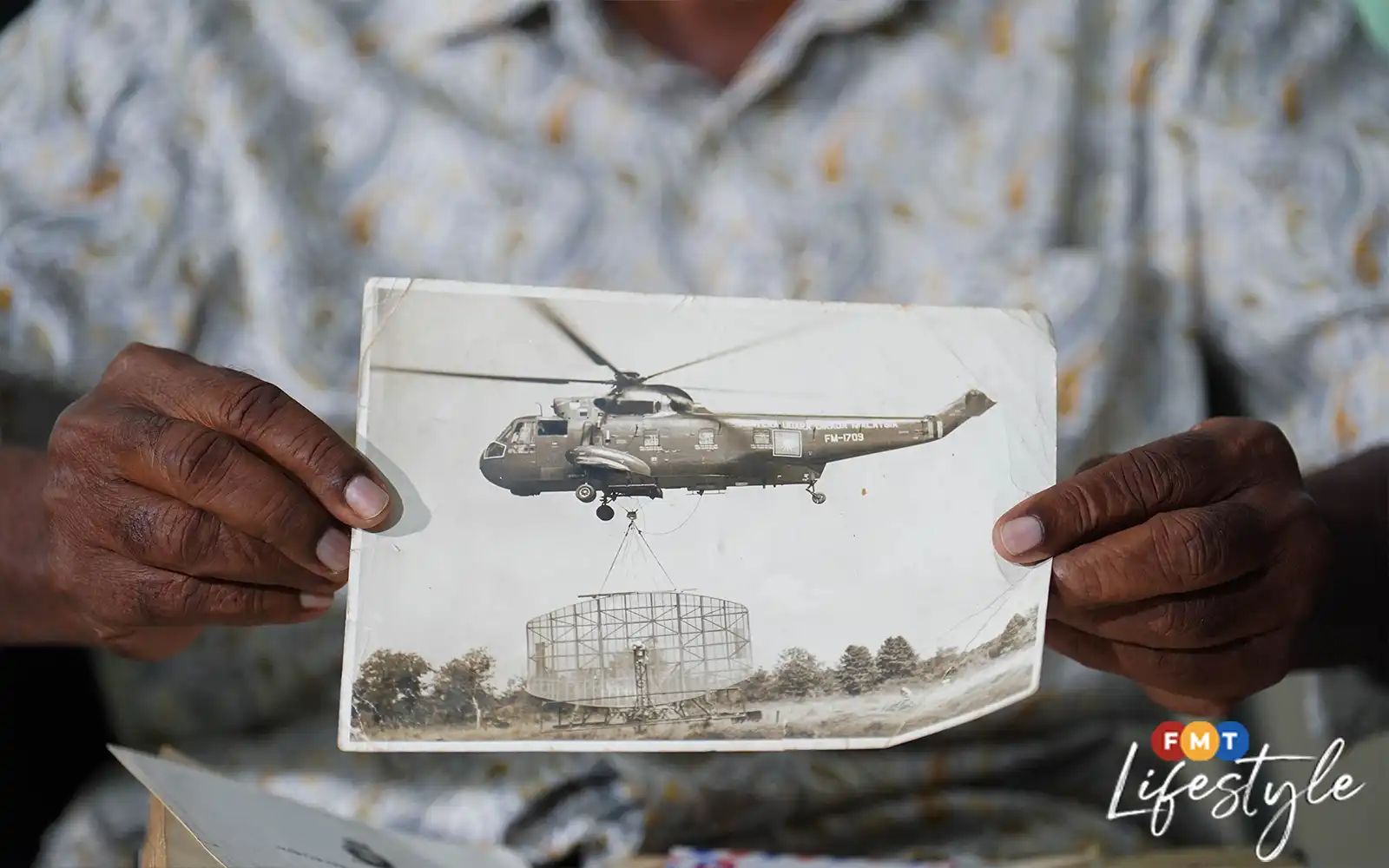
The event marked the first time a helicopter had been brought down by insurgents, making it one of the deadliest single incidents for the air force during the Second Malayan Emergency (1968-1989).
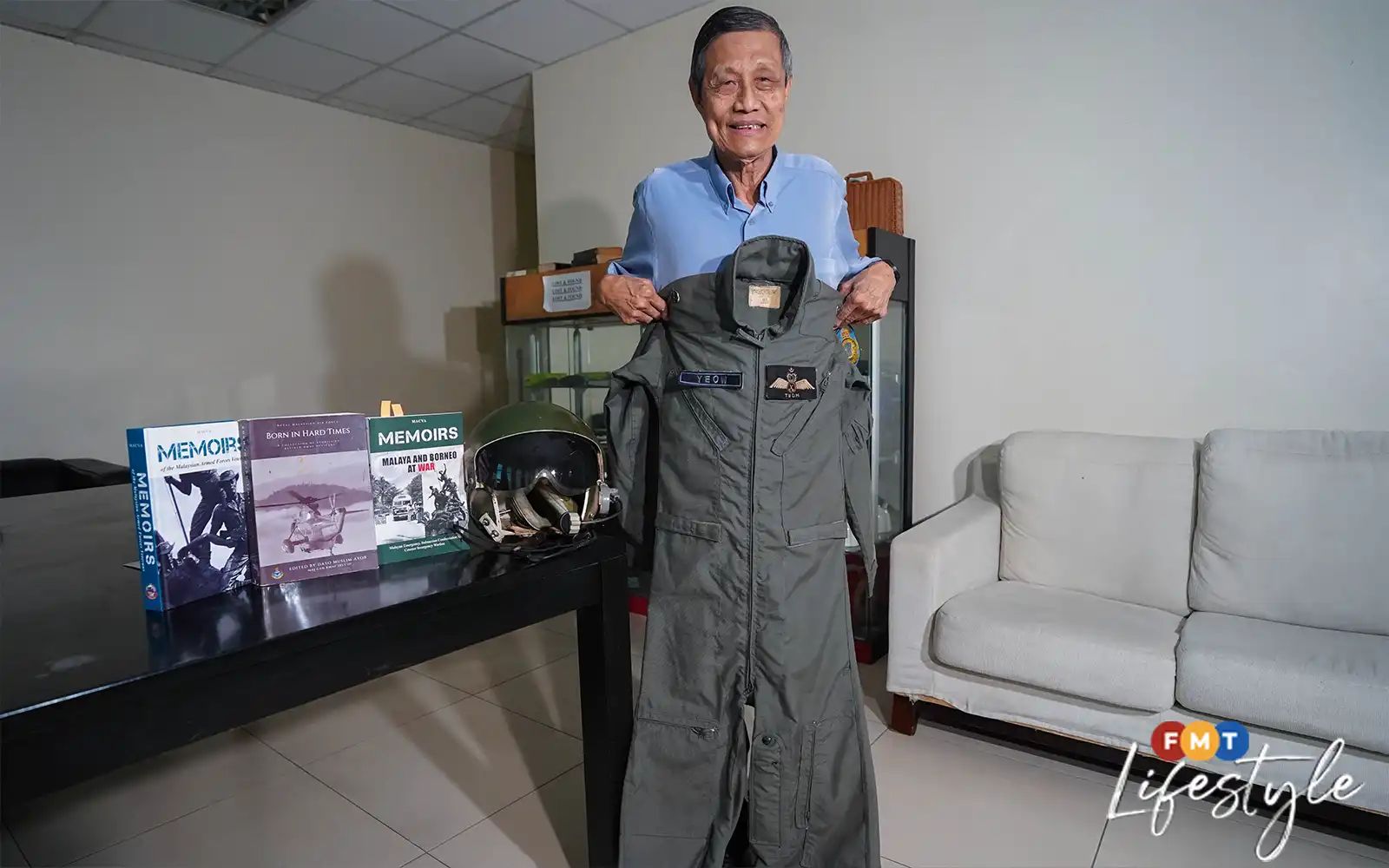
Fifty years later, Major (Rtd) Peter Yeow still recalls that day.
“There are incidents you remember and incidents you would like to forget. This particular incident is etched in my mind,” said the 79-year-old, who served in the armed forces for 24 years.
“I was an operational helicopter pilot with the No. 10 Squadron. In 1976, there were intense counterinsurgency operations against the communists. Ops Gubir was ongoing, and my crew happened to be flying in that area in support of army operations.”
Missions were being carried out in areas with a strong communist presence to supply troops with provisions and evacuate casualties, among other objectives.
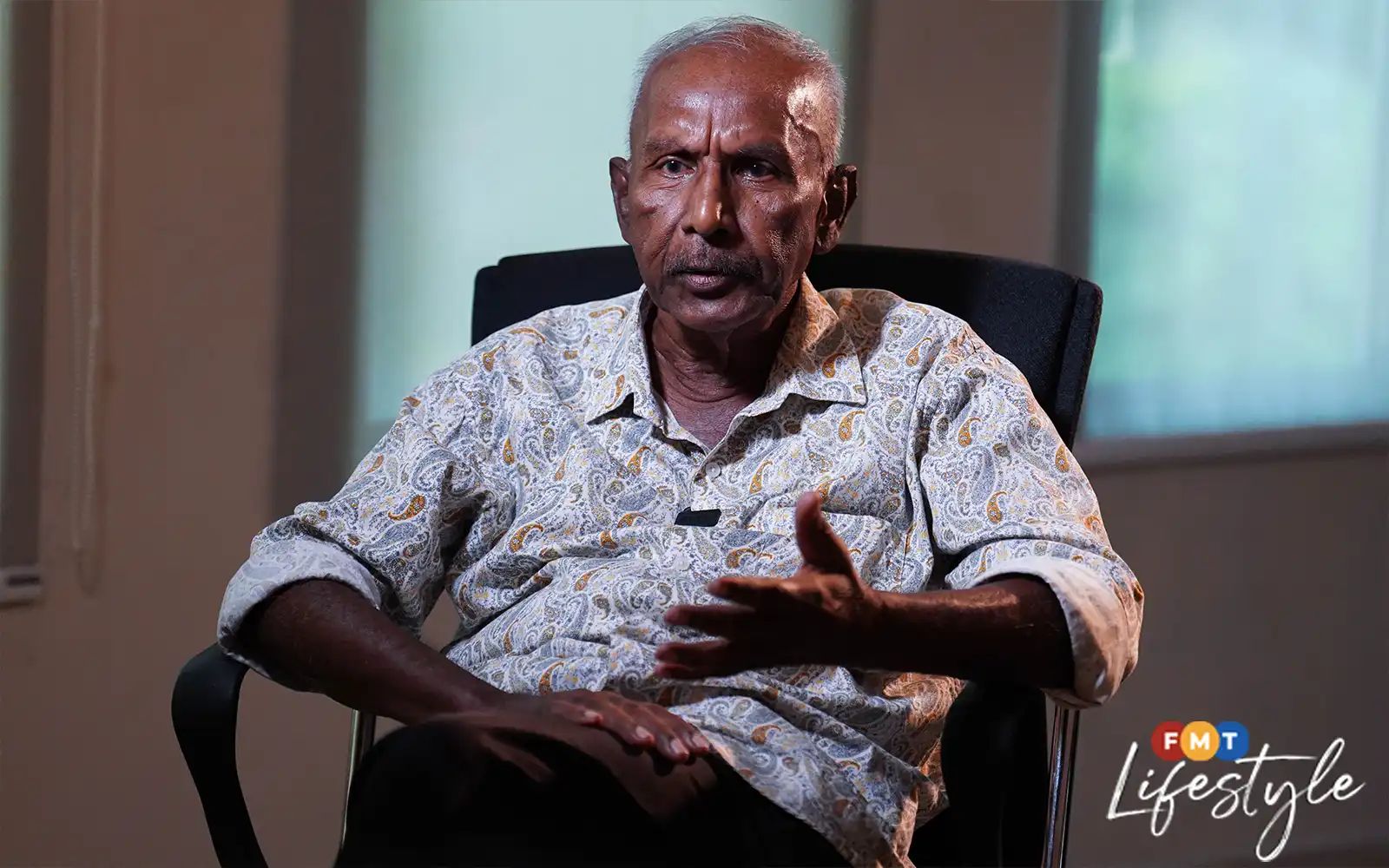
Lt-Col (Rtd) Sam Munisamy Arumugam, too, shared his memories. The 80-year-old, who grew up in Kuala Lumpur, joined the air force in 1967 and retired in 1998.
“I was serving in Kuching while operations were ongoing in Gubir. The squadron in West Malaysia was short of aircrew, so they called for a relief crew from Kuching,” he recounted.
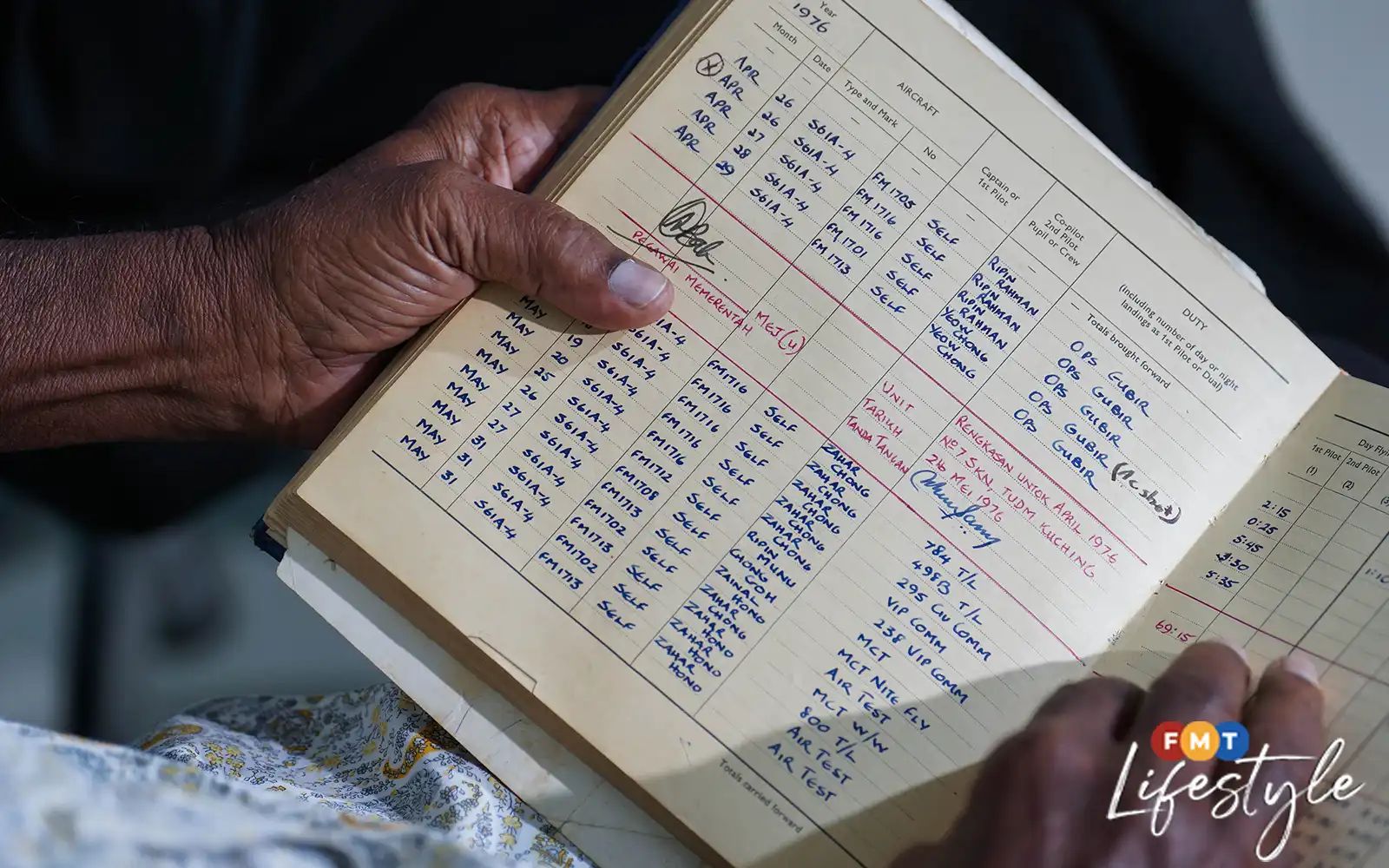
During his interview with FMT Lifestyle, Sam pulled out his carefully kept logbook that detailed every flight he undertook, including on the day of the tragedy.
At around 10am, he said, he was alerted to the situation.
“I had a call saying one of the aircraft had given out a mayday, a distress call when an aircraft is in trouble. But after that, contact was lost. They summoned me to go and look for what had happened to my colleagues.”
The helicopter had vanished into thick jungle and was only located late in the evening, amidst heavy rain, when rising smoke revealed its position.
All 11 personnel on board were killed – six from the RMAF and five from the army.
The discovery left them stunned. “We were hoping to find an aircraft that had force-landed. No one suspected it would have been downed by enemy fire,” said Sam, who had been among the first to arrive at the site.
“Just the night before, we were joking around after dinner and telling stories. That was the last time I saw some of those air force officers.”
Yeow noted that while their aircraft had come under fire before, this was the first time one had been shot down. It was also the first time they had to evacuate their own squadron mates.
When Sam radioed the findings back to base, additional support was deployed. Yeow was among those sent to help recover the bodies, which could not be moved immediately due to the intense heat from the still-burning wreckage.
Recovery efforts had to continue the next morning. But even after the mission ended, the weight of the tragedy lingered.
“It was only later, when we returned to our respective bases, that we learnt our families underwent trauma because they were not immediately informed as to who was killed in the crash,” Sam said.
Some families were even surprised to see their loved ones alive, he shared, adding that it was a “great relief” when the Communist Party of Malaya surrendered.
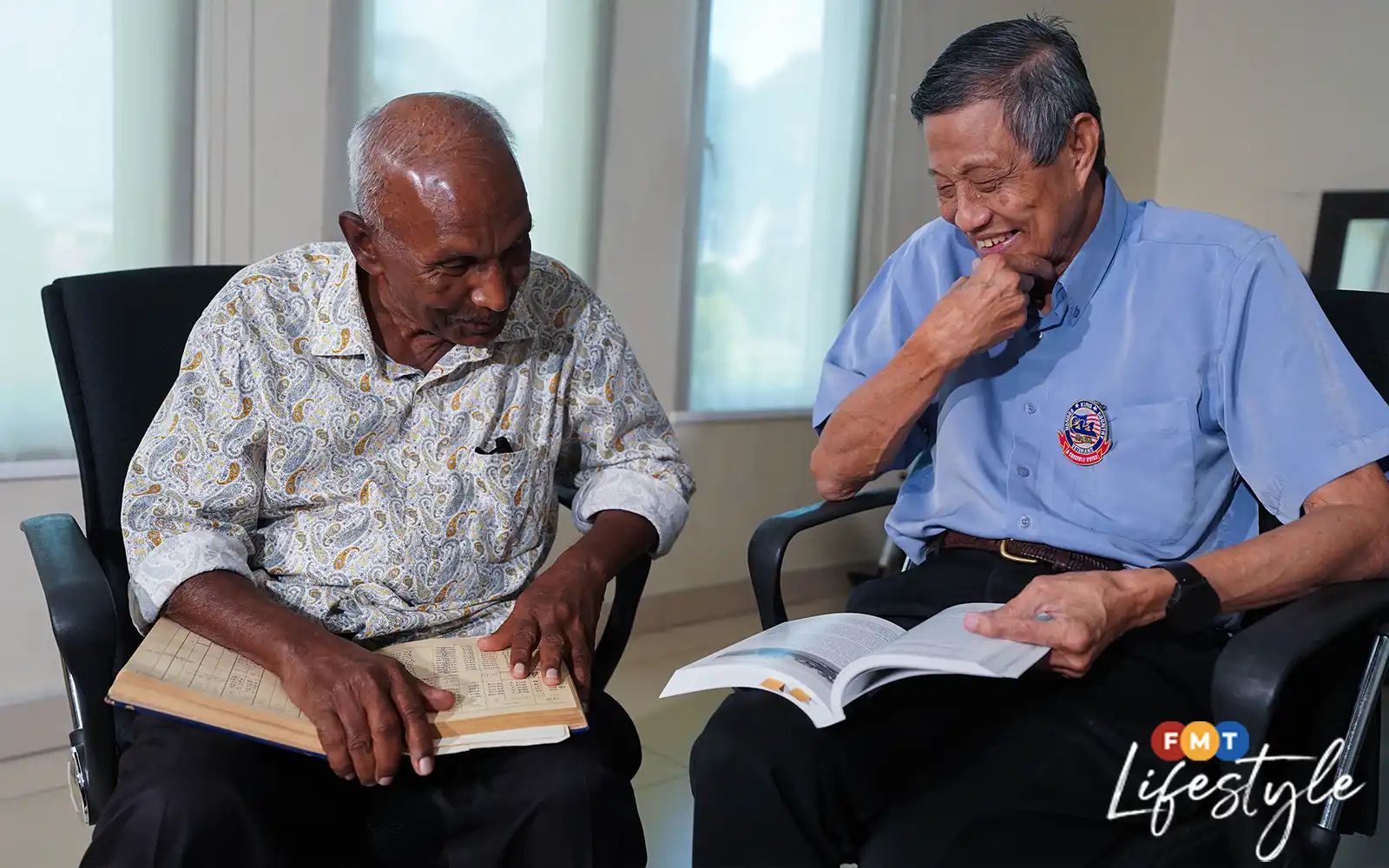
Yeow, who is part of the Malaysian Armed Forces Chinese Veterans Association, has since been involved in documenting war stories in the book “Memoirs – Malaya and Borneo at War” to ensure such experiences are not forgotten.
“Being a military person, you take it in your stride – life goes on, the job goes on. We carried on our duties as if nothing had happened. We had to rise above our emotions and put our country first,” he concluded.