
This condition, known as breath-holding spells (BHS), is most commonly seen in children between six months and six years old, when emotional regulation and neurological control are still developing.
Medical practitioner Dr Adli Hidayat Iman Kamarulzaman said the episodes are typically triggered by strong emotions such as frustration, fear or pain, which the immature nervous system struggles to manage.
“In most cases, the child will cry persistently before their breathing appears to pause or become obstructed temporarily,” he said.
While the sequence can appear dramatic, the interruption in breathing is usually short-lived, lasting about a minute before normal respiration resumes spontaneously.
And despite the distress it may cause to parents, BHS is generally not life-threatening and does not result in long-term harm.
The condition, however, is frequently mistaken for seizures. Clinically, the two are distinct: seizures are not triggered by crying, whereas BHS almost always follows an emotional episode.
Because of this, Adli encourages parents to record any such incident when it occurs, as visual documentation can help clinicians differentiate between BHS and other neurological conditions.
He also noted that many cases in Malaysia go undocumented, as parents often believe they can manage such episodes at home without seeking medical advice.
According to Adli, one commonly held belief is that blowing on a child’s face can help restore breathing. While doing this can appear to coincide with recovery, it might also obscure the need for proper assessment, making it difficult to establish accurate data on how widespread the condition is.
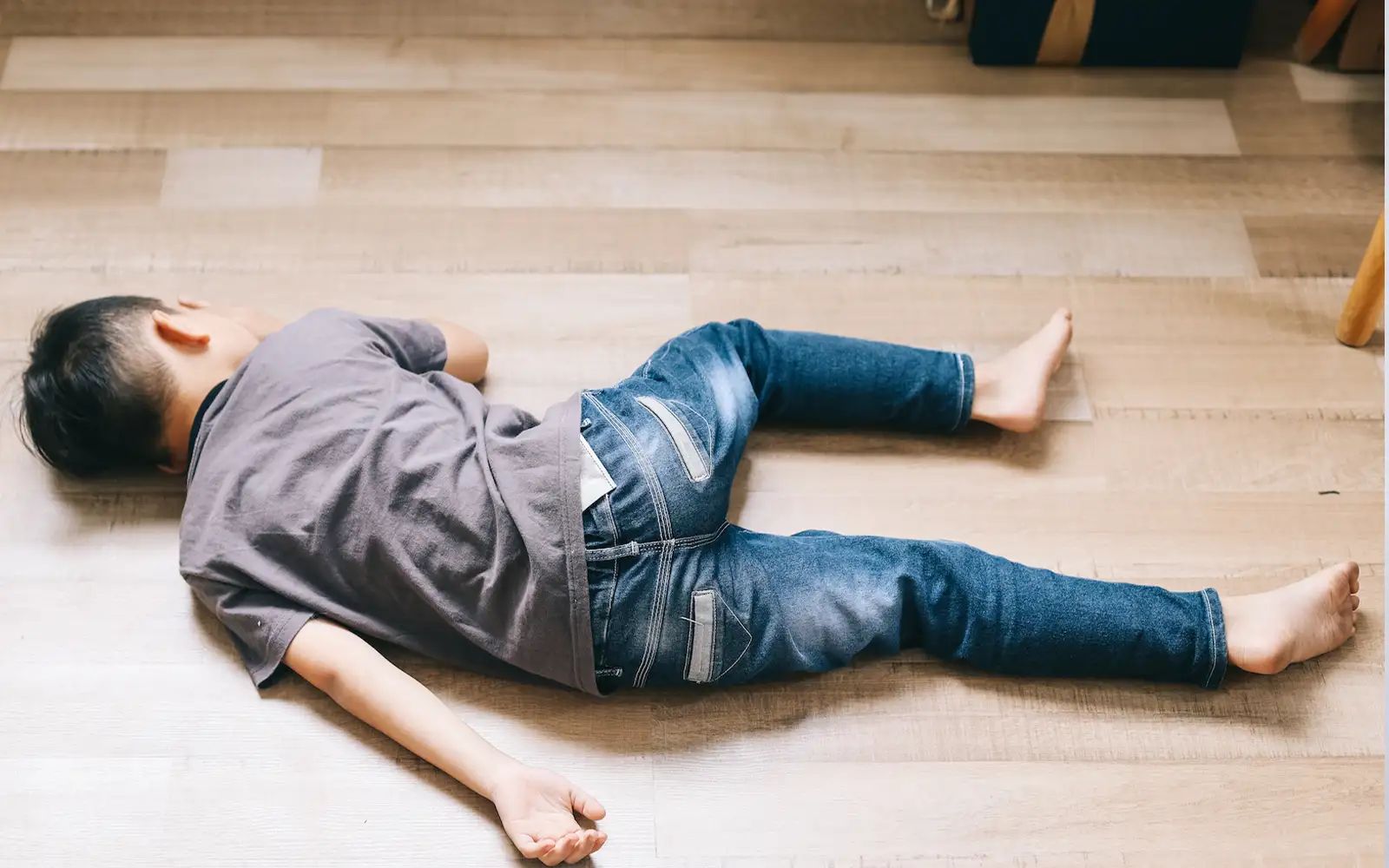
In terms of immediate response, Adli said parents should prioritise safety and airway positioning. The child should be laid flat to ensure the airway remains open, and should not be carried or shaken while unconscious as this may compromise breathing further.
“If the child remains unconscious for more than a minute, seek immediate medical assistance or initiate CPR,” he said, adding that basic lifesaving skills are valuable for all caregivers.
Although BHS is typically benign, certain underlying factors may increase its frequency. Among them is iron deficiency, which has been associated with a higher risk of recurrent episodes.
In such cases, doctors may recommend investigations including haemoglobin levels and iron studies. “If iron deficiency is detected, supplementation can help reduce the risk of recurrence,” Adli added.
Ultimately, awareness plays a key role. While breath-holding spells can be unsettling to witness, understanding the mechanism behind them and knowing how to respond can help parents manage the situation with greater confidence.
In most cases, as the child’s nervous system matures, the episodes become less frequent and eventually resolve on their own.