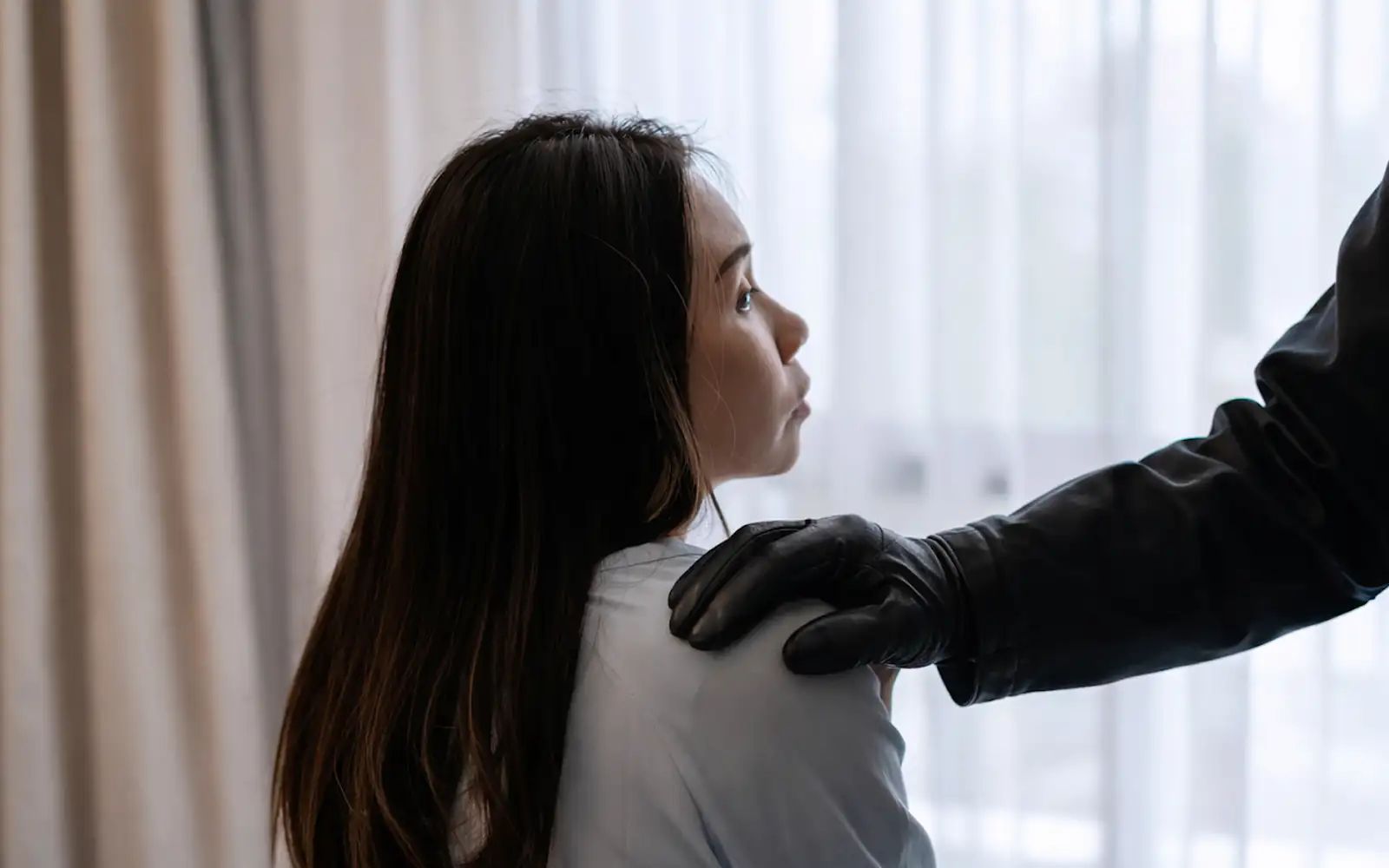
For some, that emotional contradiction becomes a way to cope. Stockholm Syndrome describes a psychological response in which victims develop sympathy or emotional attachment to their abusers.
The term originated from a 1973 bank robbery in Stockholm, Sweden, during which hostages began showing empathy towards their captors and resisted cooperating with authorities after their release.
But the phenomenon is not limited to hostage situations. Dr Siti Aisyah Panatik, a psychology expert at Universiti Teknologi Malaysia, said similar patterns can emerge in cases of prolonged abuse.
Repeated cycles of harm followed by moments of kindness or attention can create emotional confusion, leading victims to interpret abusive behaviour as care.
“The brain adapts by reframing abuse as affection, especially when the victim feels escape is not possible,” she explained. “In such situations, survival becomes the priority, often through cooperation and the formation of emotional bonds with the abuser.”
Isolation plays a critical role: cut off from external support, victims may come to rely entirely on the abuser for information, safety and basic needs. When this happens, even small acts of kindness can then be misread as genuine compassion.
This coping mechanism can have lasting psychological effects, including trauma, depression, guilt, and symptoms of post-traumatic stress disorder such as flashbacks, insomnia and anxiety.
Treatment often focuses on breaking these distorted thought patterns. Siti Aisyah said cognitive behavioural therapy helps patients challenge and reframe harmful beliefs, while dialectical behaviour therapy equips them with tools to manage intense emotions and rebuild healthier relationships.
She stressed the importance of supporting victims without judgement, noting that feelings of attachment towards an abuser are a survival response rather than a personal failing.
Although the condition is a natural psychological adaptation, early intervention is key. Distancing from the abuser at the first signs of violence can help prevent the cycle from taking hold, she said.
Siti Aisyah also pointed to a growing trend of survivors sharing their experiences on social media, though some remain hesitant to leave abusive relationships due to lingering emotional ties.
This, she concluded, highlights the need for continued awareness and timely professional support.