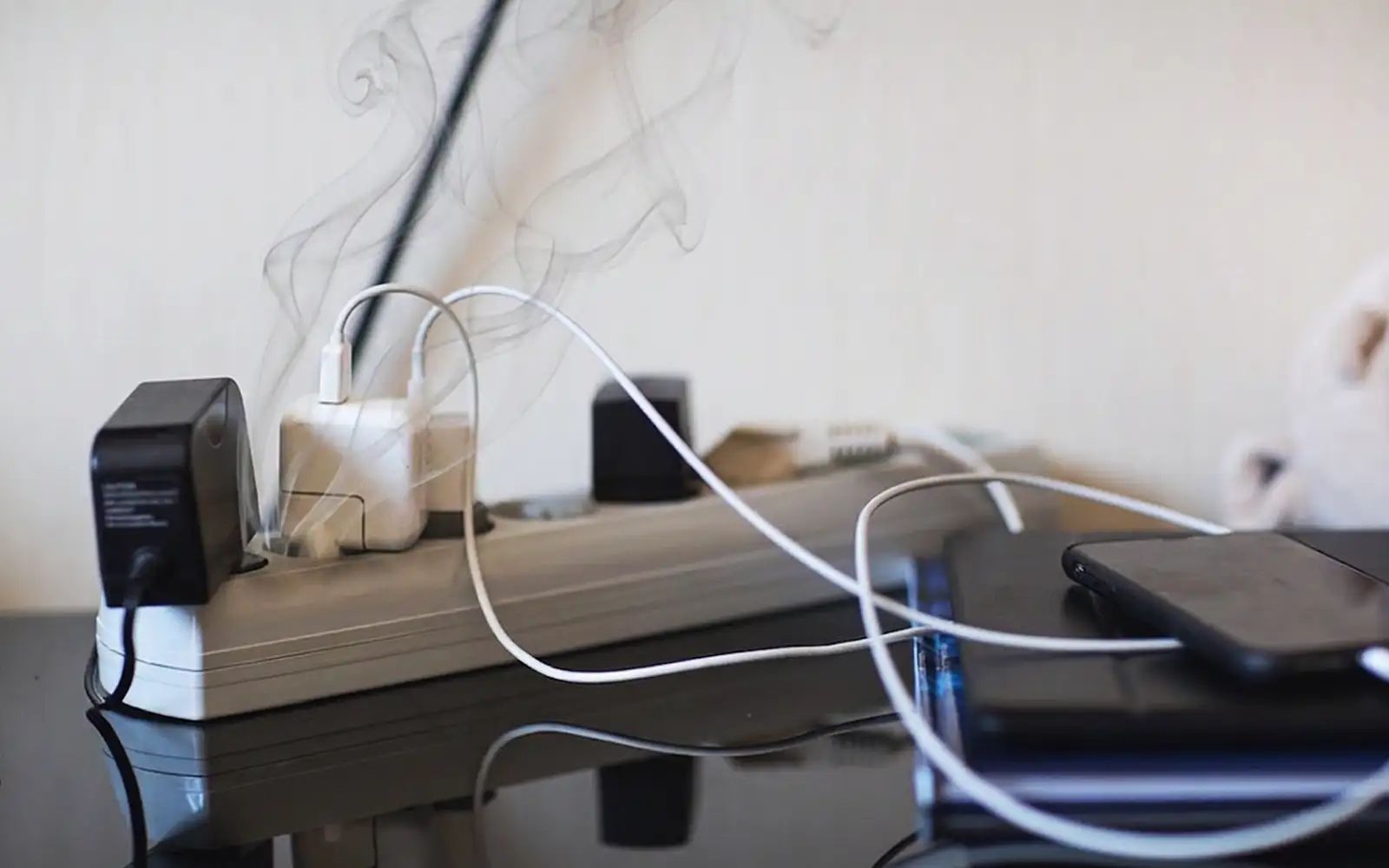
Within this everyday habit lies a question we seldom think to ask – when did these become something we simply ignore?
The charger that feels warm; that cable that’s slightly frayed; a faint spark when plugging into a socket; even a tingling sensation when touching a device. These have been quietly accepted as “normal”: as long as a device continues to charge, everything is working as it should.
The focus has long been on speed, convenience and price, not safety. As a result, early warnings are overlooked simply because nothing has gone wrong – yet.
The truth is, these signals often point to underlying electrical issues such as wear and tear, poor connections, or even current leakage.
The concern becomes more significant when placed in a broader context. According to the fire and rescue department, about 60% of house fires in Malaysia are linked to electrical issues, including faulty wiring, overloaded sockets and improper use of appliances.
Chargers may seem small, but they are among the most frequently used electrical items in daily life. Repeated use, heat exposure and physical strain can degrade internal components over time.
This may not cause immediate failure, but it could eventually lead to more serious – even dangerous – faults.
The way we work and live today also adds pressure. With hybrid work, many rely on multiple charging setups, with devices powered simultaneously using shared adapters or extension points, increasing the load on sockets and accessories.
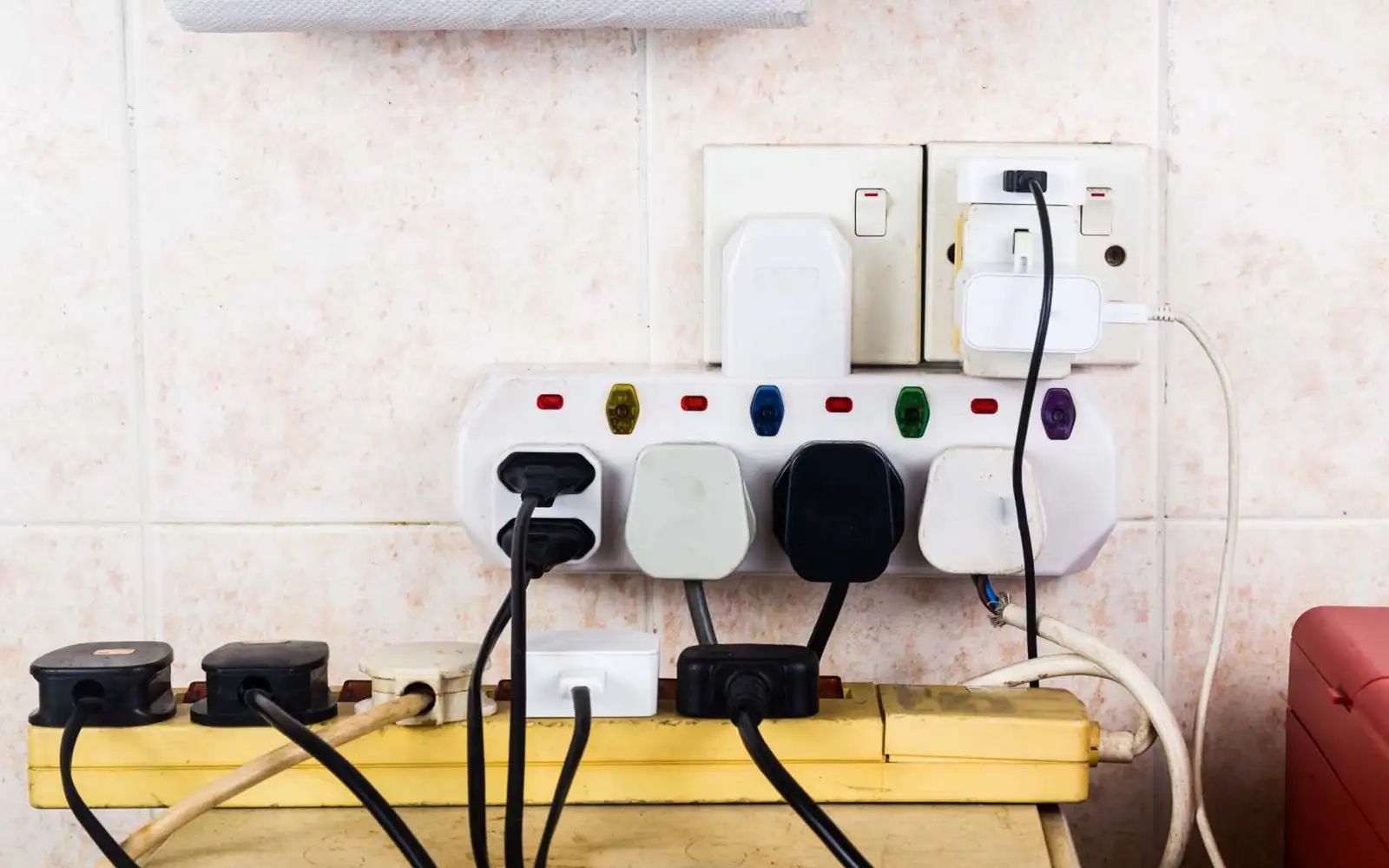
This constant demand makes it even more important to pay attention to how devices are being charged.
Chargers should not overheat during normal use. Cables should remain intact, without fraying or looseness, and any tingling sensation or minor shock when handling a device should be treated as a warning sign, not an inconvenience.
Not all chargers are equal
What many may not realise is that chargers are not all built alike. Traditional laptop adapters are typically grounded, but many modern compact chargers – especially those used for phones and tablets – rely on double insulation.
While this allows for smaller, more portable designs, it can also increase the likelihood of minor electrical leakage during use. This is one reason why you might experience that tingle when touching your laptop.
Thankfully, newer technologies have begun to address safety more directly, including innovations that improve grounding and stabilise current to reduce leakage and inconsistent charging.
Some newer compact chargers also integrate grounding features traditionally found in larger adapters, reflecting a move towards merging portability with improved safety standards.
Ultimately, charging one’s devices should no longer be treated passively. It deserves the same level of attention as the devices themselves – not just in how we use them, but in what we expect from them.
Because staying connected is no longer just about convenience – it is also about staying safe.
This article was written by Terry Lee.