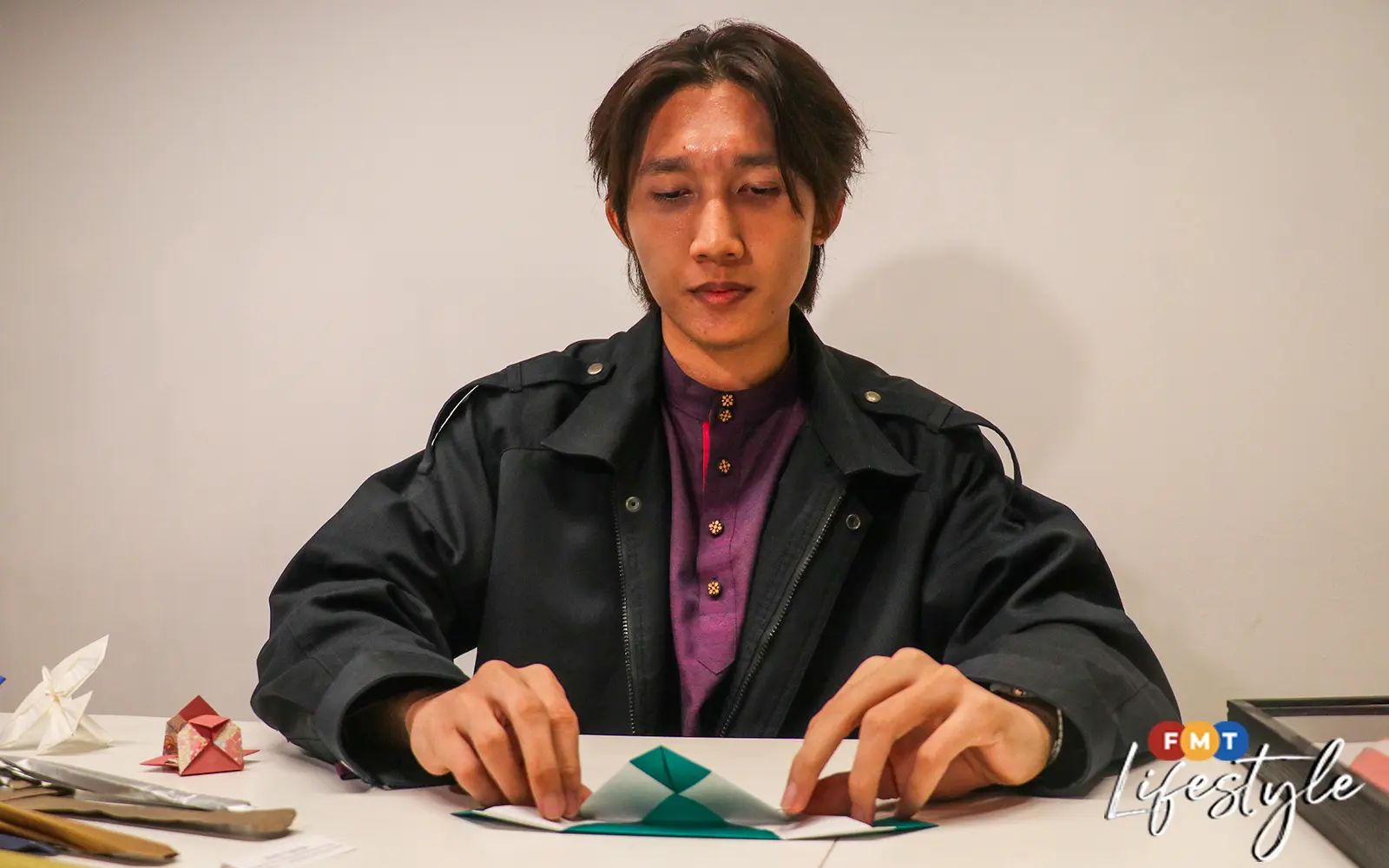
Rather than create the usual cranes and frogs associated with this craft, the 23-year-old, better known as Shah, is giving the art form a distinctly Malaysian feel through creations inspired by local culture.
“This allows me to introduce our culture to a wider audience,” he told FMT Lifestyle.
Among his most striking works are origami figures of Melaka’s five legendary warriors – Hang Tuah, Hang Jebat, Hang Lekir, Hang Lekiu and Hang Kasturi.
For Shah, the figures are more than just folded paper; they are a way of keeping local stories alive. During one exhibition, he recalled explaining the tales of these warriors to a tourist admiring his work.
“I feel proud to introduce our local culture this way,” he said.
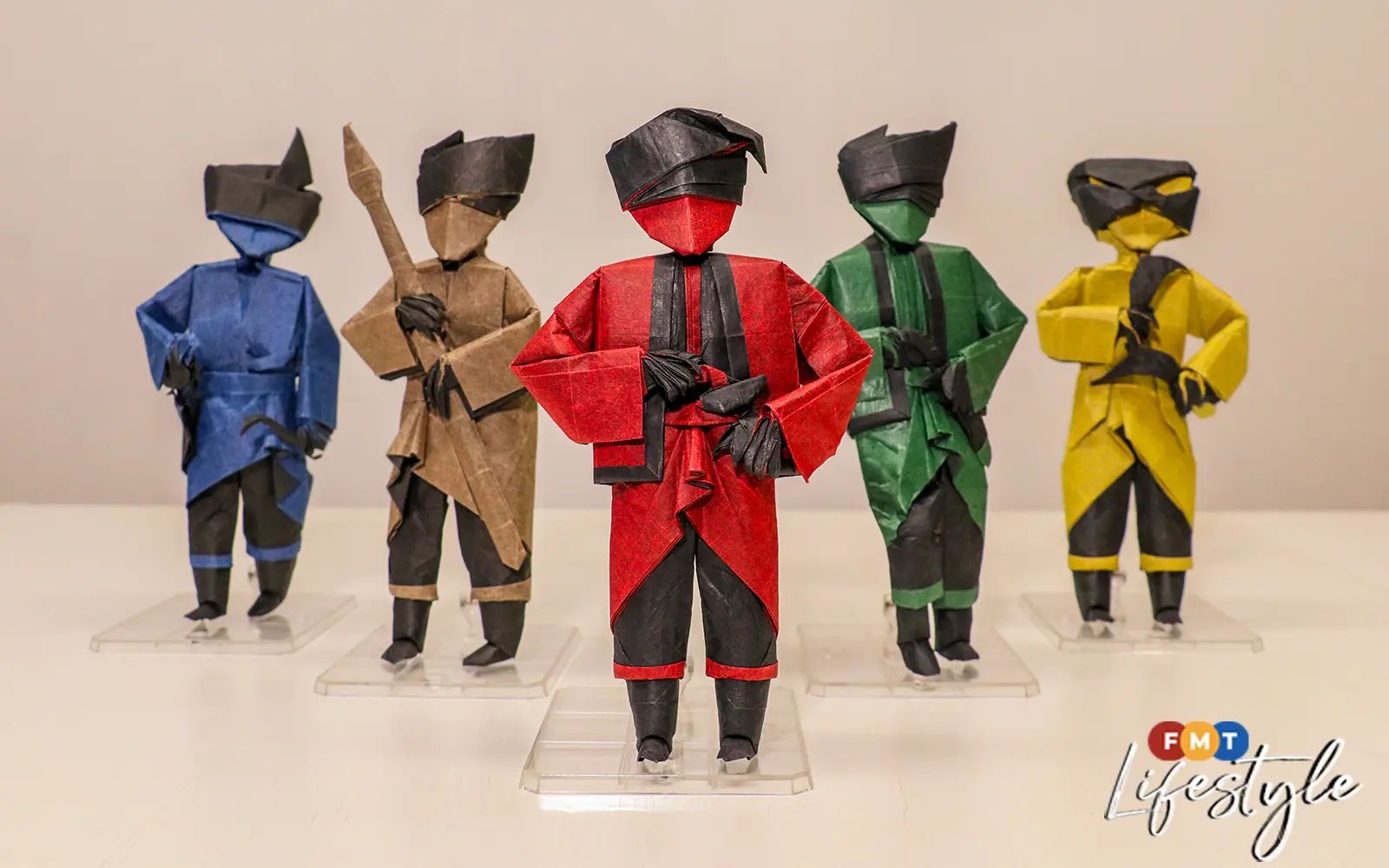
His warrior figures, he added, have also caught the attention of children. Shah believes origami can be an engaging way to introduce the younger generation to local history.
But long before the warrior figures and cultural creations came to be, Shah was simply a curious six-year-old fascinated by paper folding after watching his late grandmother shape paper into a bowl.
Seeing his interest, Shah’s mother searched online for origami instructions. However, the designs she found were too advanced for a beginner.
So, he experimented on his own using different folding techniques. Soon he improved, creating dinosaurs, fishes and other figures through trial and error.
About six years ago he met Kenneth Ch’ng, founder of the Malaysia Origami Academy, who inspired him to explore creations rooted in Malaysian culture.
“The first locally inspired creation I made was a traditional Malay man’s outfit,” said Shah. From there, he expanded his work to include ketupat, keris, the warrior figures and more.
Speaking further about the warrior figures, Shah explained that each piece is crafted using just two sheets of paper joined with methyl cellulose glue. Completing a single figure takes him between eight to 12 hours.
Shah said he spent six months refining the technique before he was ready to produce his first piece.
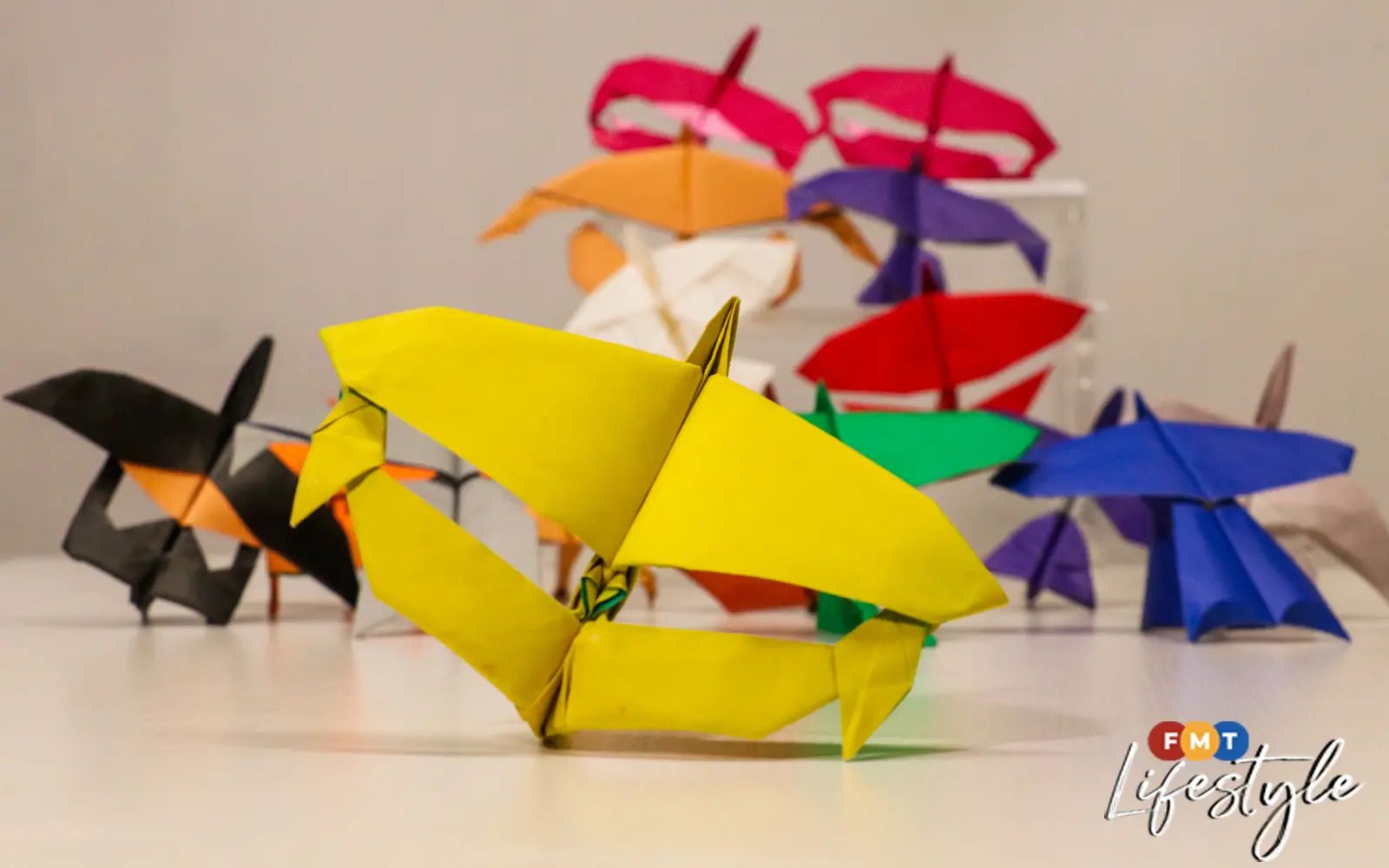
Beyond the warrior figures, Shah has also created origami versions of the different types of wau found across Malaysia: “wau puyuh”, “wau helang”, “wau barat” and more.
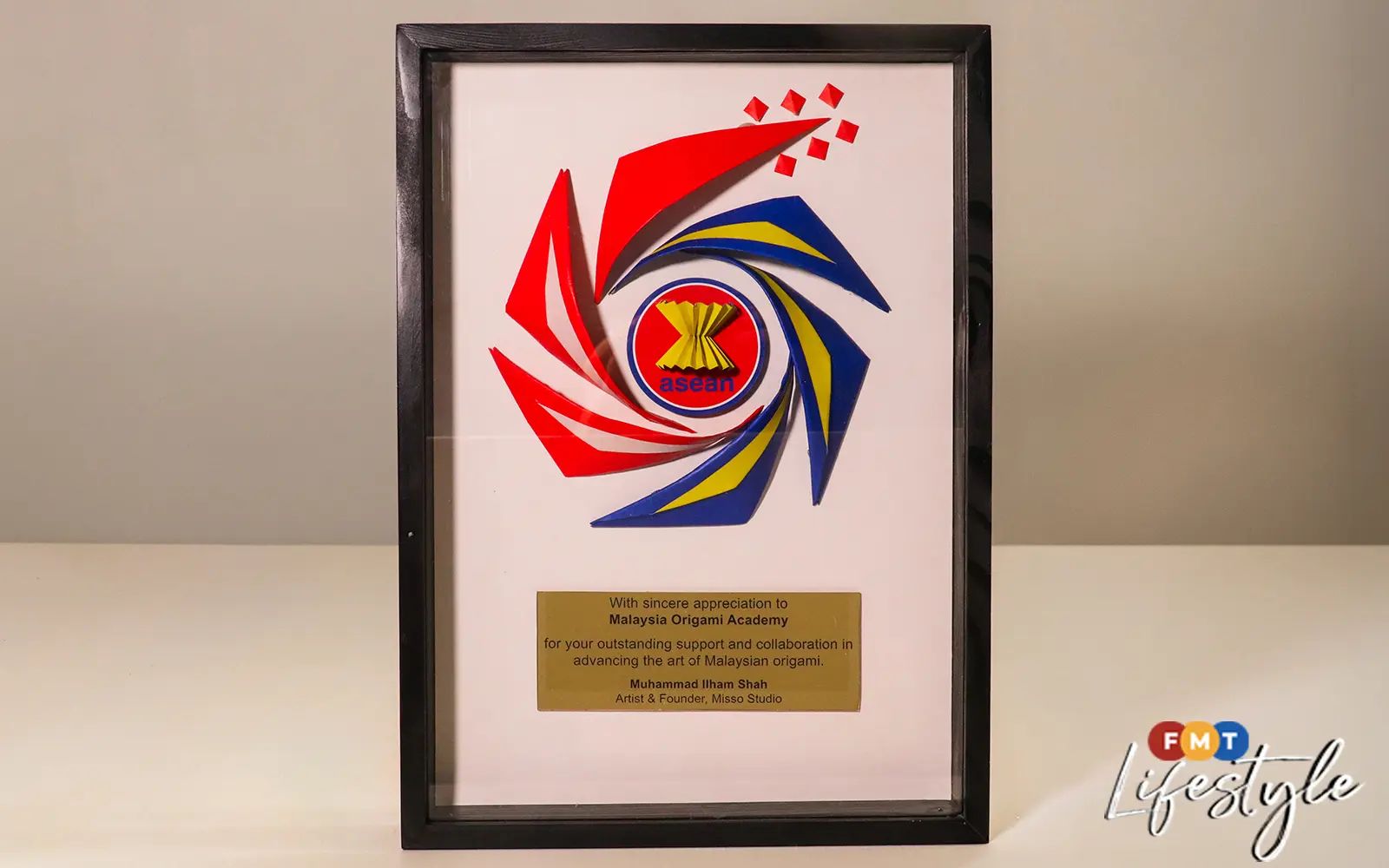
Last year, Shah – an associate artist with the Malaysia Origami Academy – created an origami version of Malaysia’s Asean chairmanship logo after the academy was commissioned by the Embassy of Japan in Malaysia.
Describing it as the highlight of his origami journey, he said: “I used 14 pieces of paper, and it took me about 20 minutes to fold.”
While origami remains an interest close to his heart, Shah also currently runs a business selling handicrafts made from wood called “Xenimy Network”.
Speaking with FMT Lifestyle, Ch’ng, 53, said: “I feel very happy seeing someone young like Shah creating origami versions inspired by local culture.” This, he said, is the objective of what he calls the “Malaysia origami movement”.
Initiated by Ch’ng in 2014, the movement “encourages artists to create origami creations inspired by Malaysia’s cultural heritage across various categories such as flora, fauna, traditional costumes, architecture, key personalities and food”.
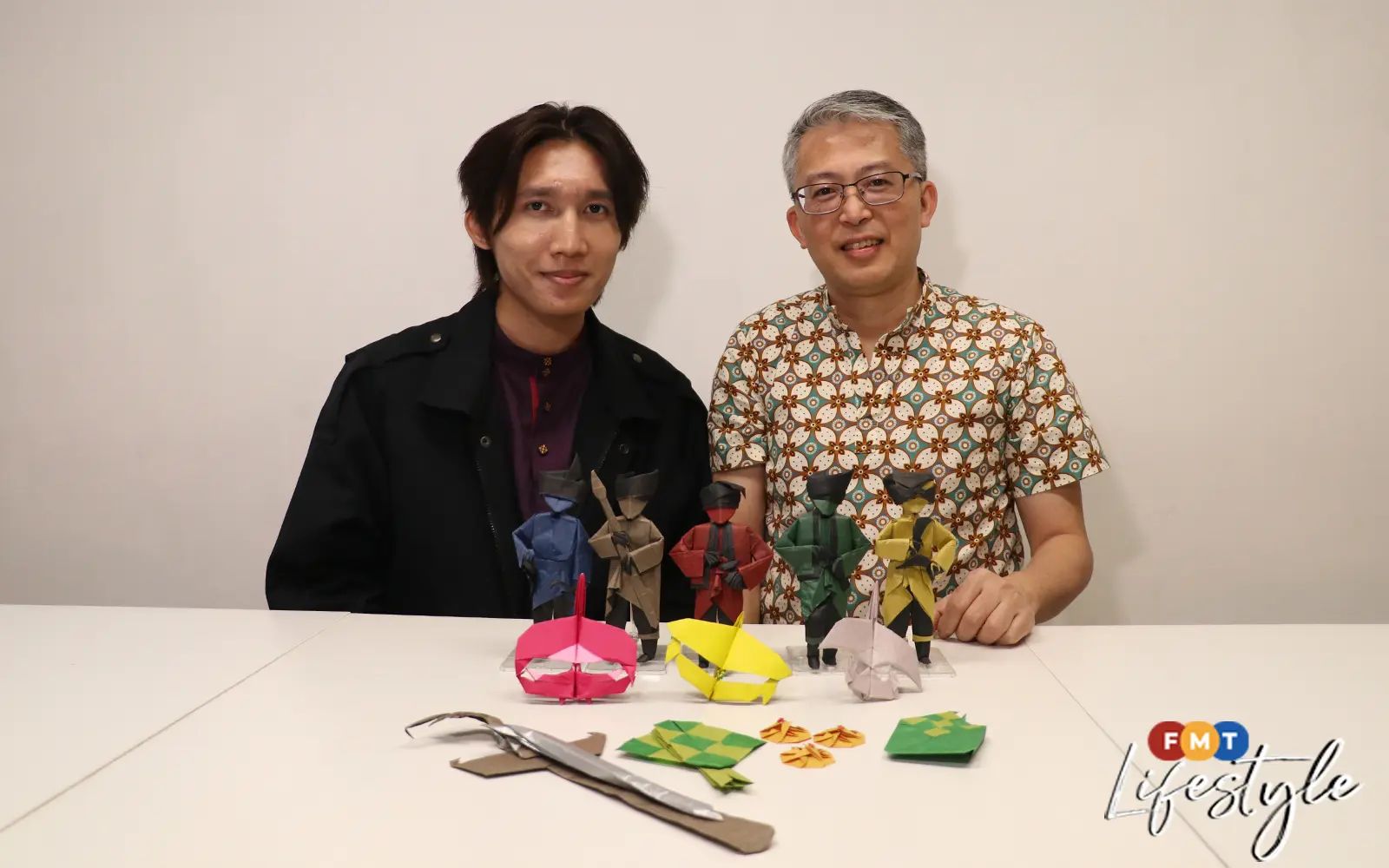
Indeed, for Shah, what began as a childhood curiosity has since grown into a meaningful way of celebrating Malaysian identity through origami. And he has no plans of stopping.
“In the future, I plan to create more works inspired by elements from Sabah and Sarawak such as musical instruments, traditional motifs as well as local flora and fauna,” Shah concluded.
View more of Shah’s origami creations on Instagram. Learn more about Xenimy Network and contact Shah here.