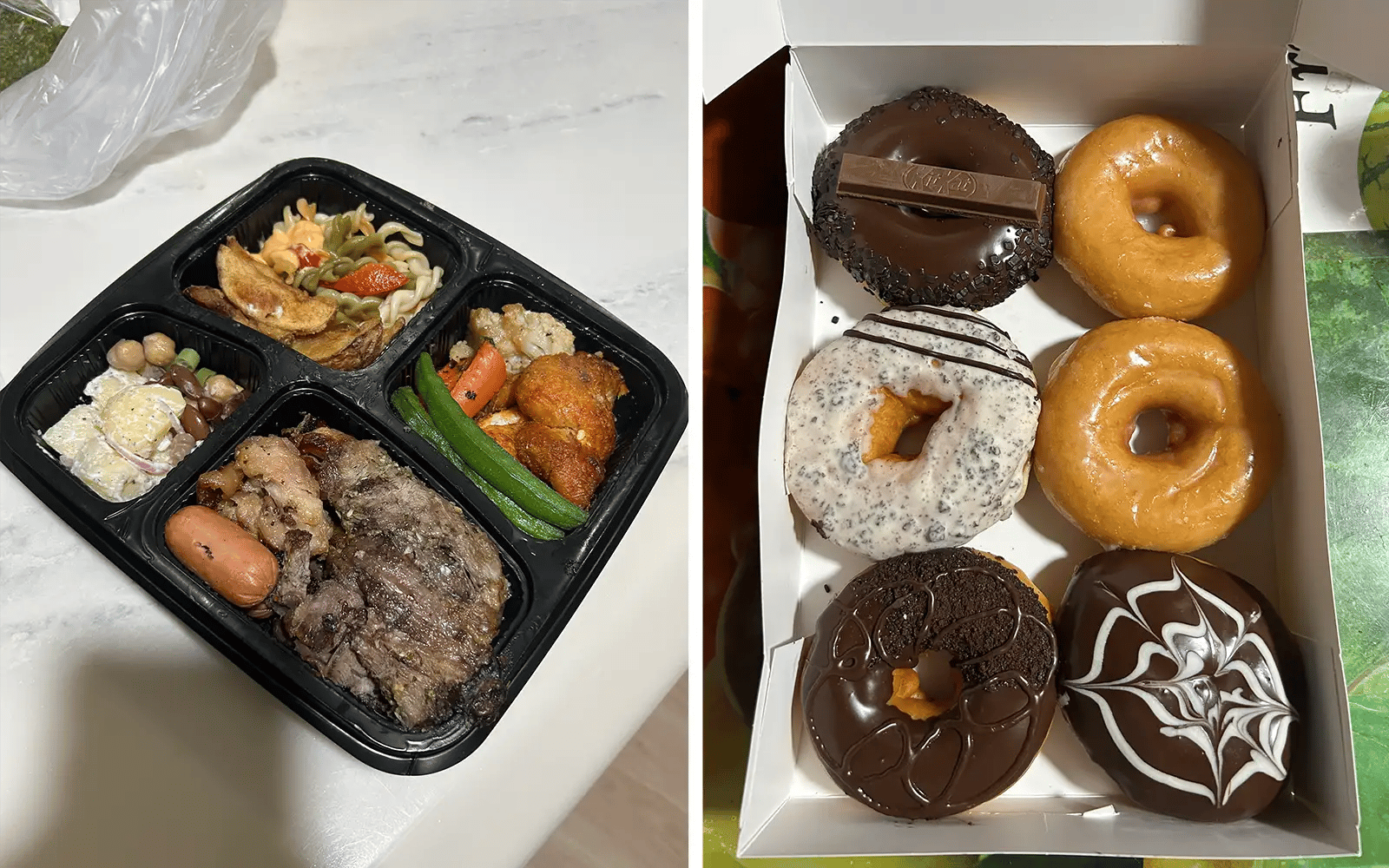
Will those glossy doughnuts still be there? What happens to the last few croissants on the shelf? Where do untouched muffins, breads and pastries go once the lights are switched off and staff begin packing up?
The answer is less glamorous than most imagine. Across restaurants, bakeries and grocers, perfectly edible surplus food often gets discarded. Not leftovers – just good food that ran out of time.
That unseen, end-of-day reality is what Malaysian app “Value Food” hopes to change.
Instead of allowing surplus food to head for landfills, the platform, launched last year, gives businesses a way to turn excess inventory into heavily discounted “surprise bags” for customers.
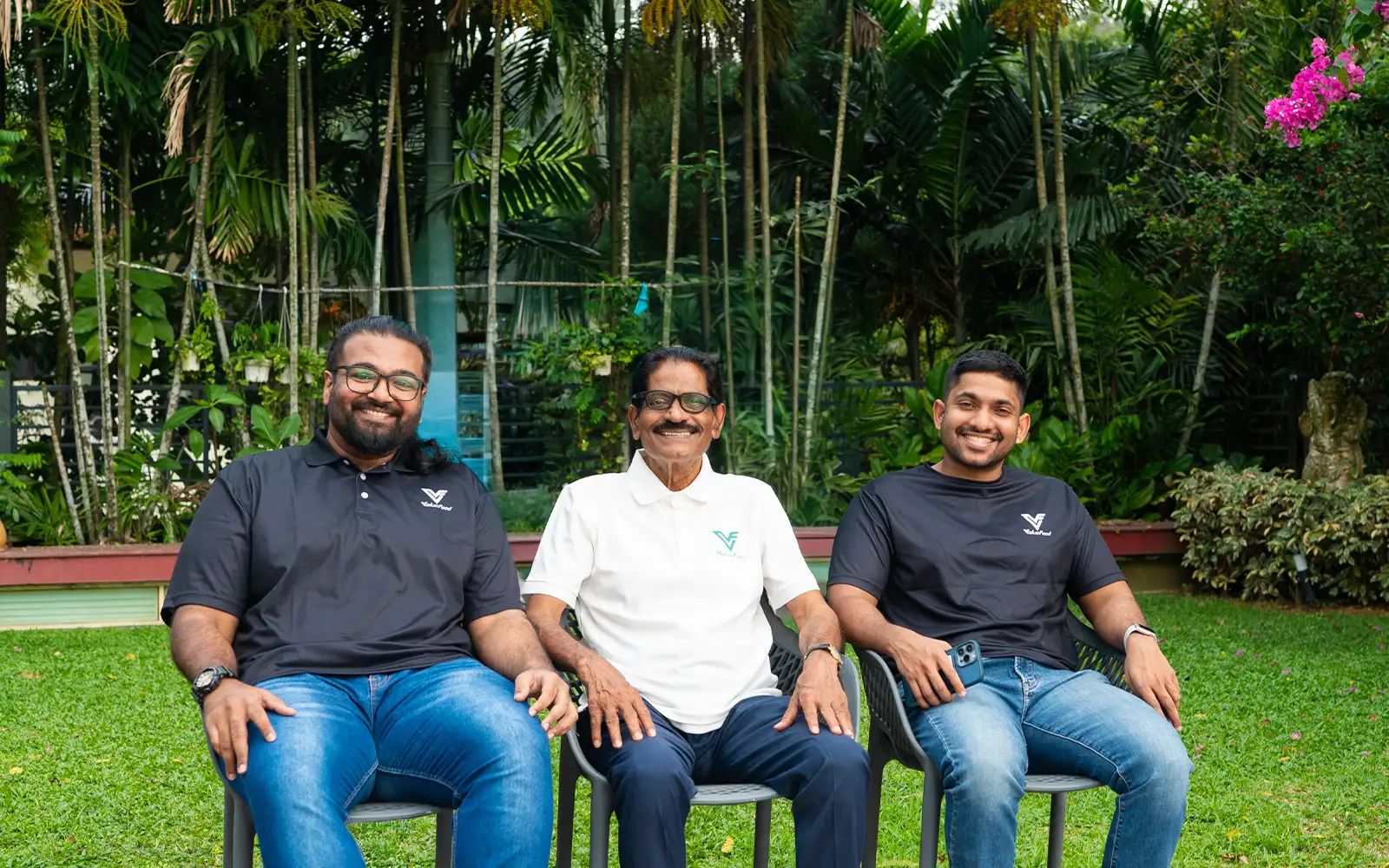
For co-founder Hariharan Nagendran, the idea began with a simple frustration.
“Whenever I went to supermarkets, I saw bakeries or the grocers throwing food away,” he shared with FMT Lifestyle. “I asked, ‘What about discounts?’ They told me even after discounts, there was still wastage. It was pointless to see all of this being thrown away.”
His co-founder, Sivaparanjothi, a 72-year-old lawyer and a self-professed environmentalist, found himself troubled by the same thing. A lunch with a friend once turned into a lesson about the cost of food waste when the friend didn’t finish his meal.
“I asked him, ‘do you know how long this grain of rice took to reach the table?’” Sivaparanjothi recalled asking. “It takes about six months. All the effort, resources and transport involved – if you throw it away, everything is wasted.”
Together with Vishnu Pathmanaban, the trio built “Value Food” around one idea: if food is still good enough to eat today, why should it go to waste? The concept itself is not new. “Too Good To Go”, a European food surplus marketplace, operates on a similar model and served as one of the inspirations behind Hariharan’s vision.
Currently, over 200 merchants, from bakeries, restaurants, hotels, food outlets, and supermarkets, are part of “Value Food”.
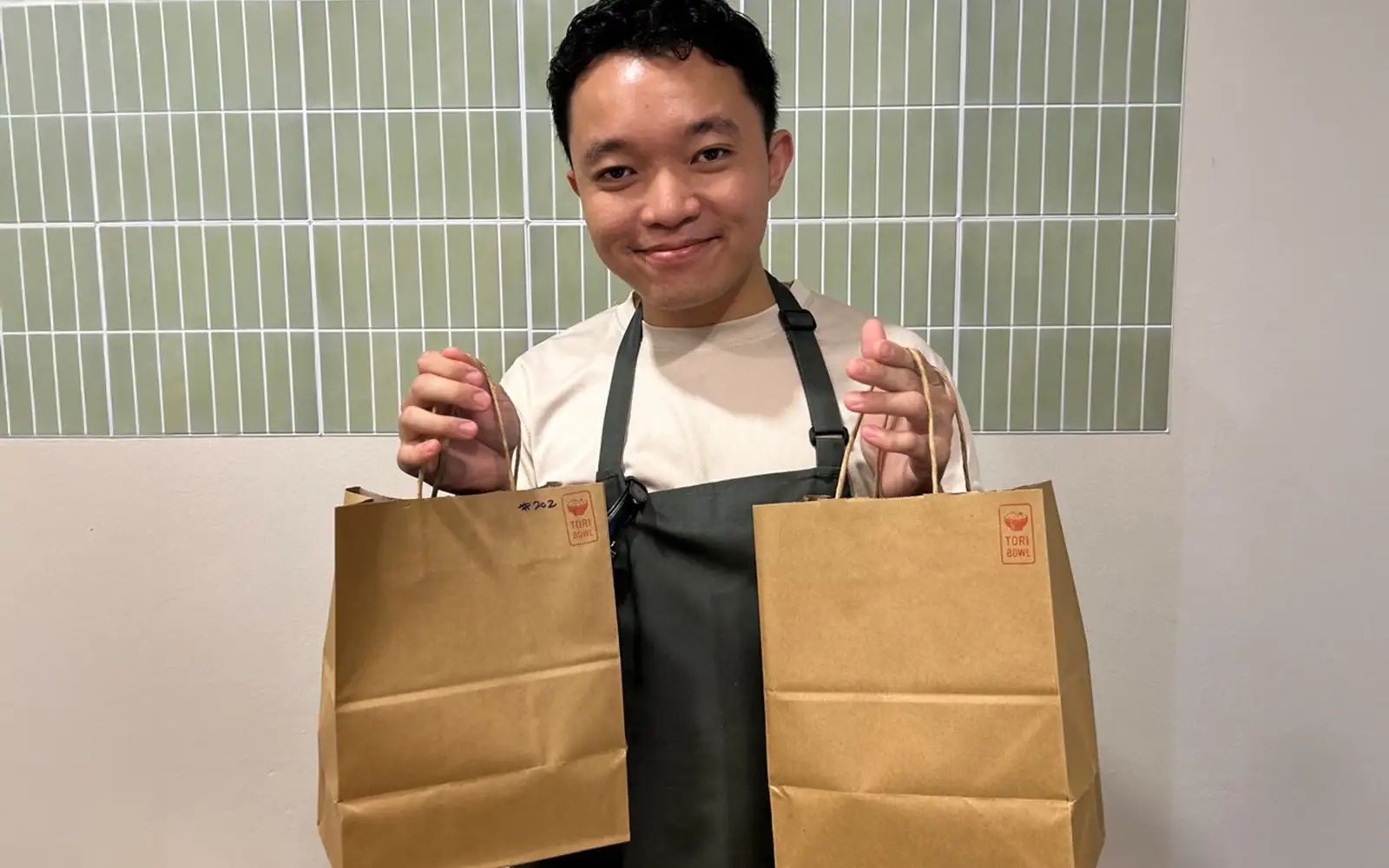
“We are just providing a platform where instead of throwing out food that’s still edible, you can make a bit of your cash back while at the same time, you can give value to customers and showcase your brand’s initiatives when it comes to CSR,” Vishnu, 33, explained.
So, how exactly does “Value Food” work?
The process itself is surprisingly simple. Participating outlets check what surplus stock remains about an hour before collection time. Maybe it is doughnuts that cannot stay on shelves tomorrow, nasi kandar dishes or groceries that cannot be kept overnight.
Each merchant typically offers only four or five bags a day, sometimes even fewer. That means every bag feels a little like a lucky draw.
As Hariharan, 30, put it: “You won’t know what you’re going to get because it depends on what the surplus of the day is. There is a surprise element to it, and it’s also quite fun for customers.”
Along the way, the team also discovered stories they did not expect.
One restaurant partner, a local mamak, decided to sell nasi kandar bags for just RM2. When asked why, the owner explained he normally gave excess food away anyway. A week later, he sent Vishnu a photograph of a mother and her three children eating meals purchased through the platform.
“She was very grateful for a platform like this because all her children could eat, because they’re not very well to do,” Vishnu said.
Sivaparanjothi quickly added: “There are many poor people who can’t afford food but a platform like ours which offers food at a very discounted price will be very helpful.”
Looking ahead, the “Value Food” team plans to introduce a donation feature that would allow users to purchase food from participating merchants and donate it to shelters or orphanages.
The team is also exploring plans to expand into other Southeast Asian countries.
Ultimately, with every surprise bag picked up, “Value Food” is proving that surplus food is not wasted. Sometimes, it just needs to find the right table.
Find out more about Value Food here.