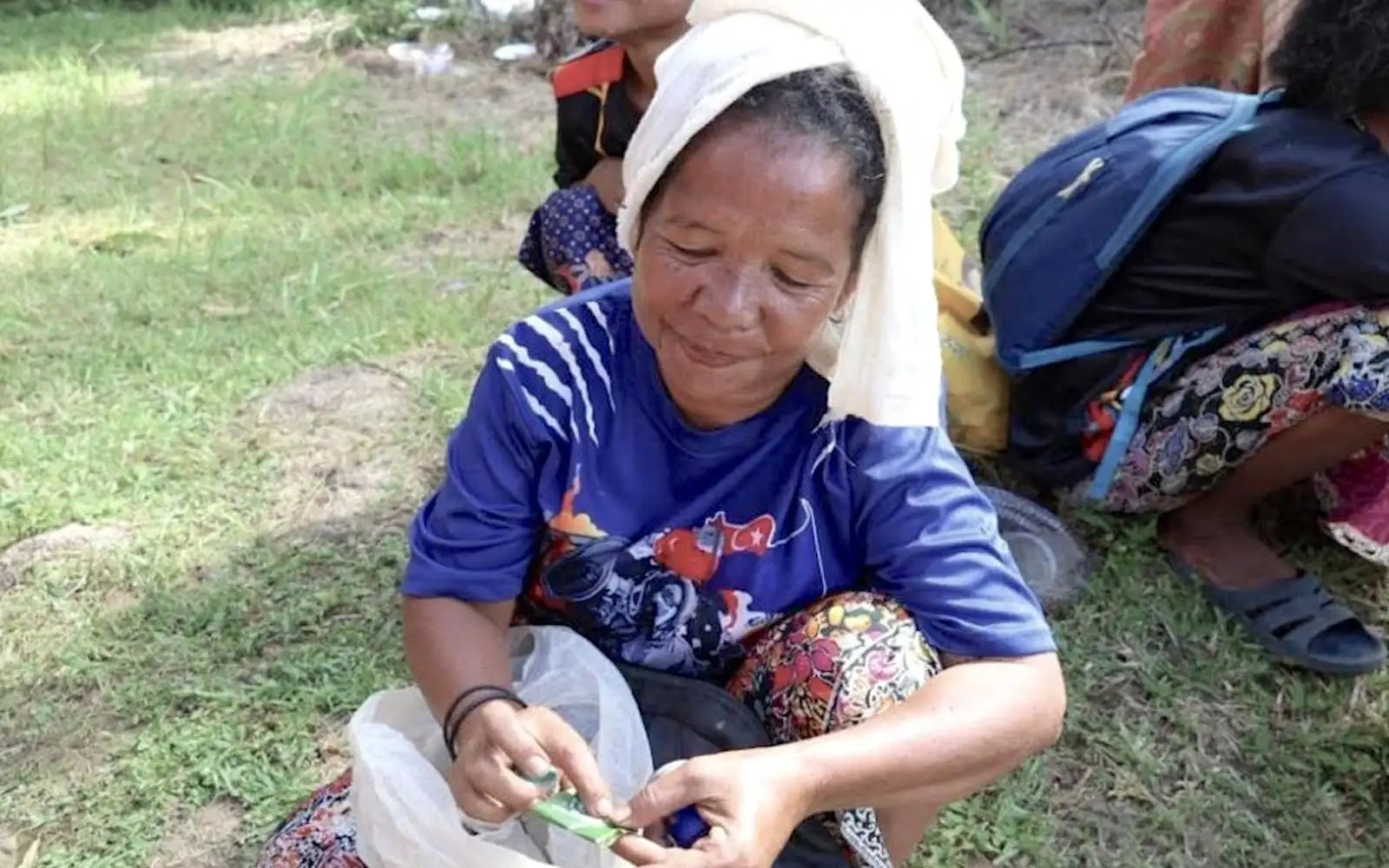
Elders would sit together after meals or long hours of work, carefully preparing small parcels of betel leaves mixed with natural ingredients gathered from nearby forests.
The practice was as ordinary as conversation itself, deeply woven into everyday life.
Today, however, the tradition is slowly disappearing. In many Orang Asli communities, especially those closer to towns and resettlement areas, younger generations no longer chew betel, and some have never even seen the practice up close.
Rodzi Asod, village head of the Kuala Betis Block A Resettlement Scheme, said the change has become increasingly noticeable over the years.
“In the 1980s, betel chewing was very common among the Orang Asli community,” he told Bernama. “But now, there are no elderly residents in Kuala Betis who still practise it regularly.”
For Rodzi, the decline reflects how traditions naturally fade once they are no longer seen or shared within families.
“Usually, if grandparents practised something, the grandchildren would follow,” he added. “But times have changed.”
Still, traces of the old custom remain alive in several remote interior settlements such as Pos Gob, Pos Simpor, Pos Belatim and Pos Balar.
There, some villagers continue preparing betel mixtures using ingredients such as sliced kalog stems and kacu leaves, maintaining routines that have endured for generations.
Pos Gob Orang Asli Village Security and Development Committee chairman Hady Liman said many residents still chew betel at least twice daily.
For some, the practice is believed to help strengthen teeth and maintain energy while working. But beyond these practical reasons, it carries something less tangible – memory, familiarity, and a connection to older ways of life.
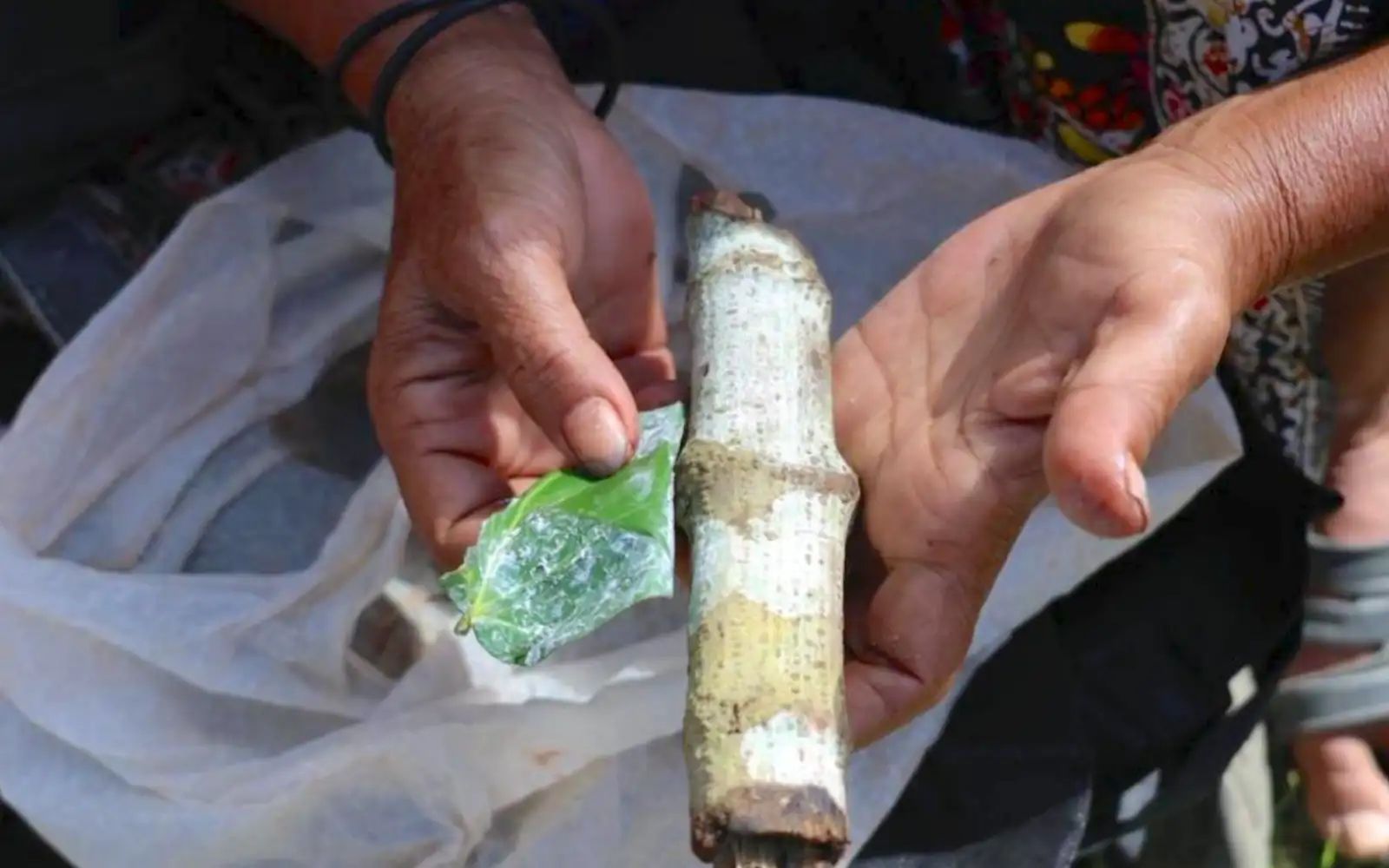
In the past, the ritual often accompanied storytelling, conversations and moments of rest within the community. Today, however, younger Orang Asli are drawn towards modern lifestyles, employment opportunities and urban migration.
According to Universiti Sultan Zainal Abidin deputy dean Mohamad Hafis Amat Simin, settlements located closer to developed areas are seeing traditions disappear more quickly due to greater exposure to outside influences.
He added that environmental changes are also quietly reshaping traditional practices. Logging activities, oil palm plantations and durian orchards have reduced access to forest resources once commonly used in betel preparation.
“There are traditions that become difficult to sustain when the surrounding environment changes,” he said.
In the Lojing Highlands, some elderly members of the Temiar community still continue the practice, though fewer young people appear interested in inheriting it.
For researchers and community leaders, the concern goes beyond the loss of a habit. What risks disappearing alongside betel chewing are the stories, knowledge and cultural identity once carried through the practice itself.
“The possibility of betel chewing declining certainly exists,” Hafis said, “but whether it disappears entirely or survives depends on how the community chooses to preserve and interpret the tradition for future generations.”