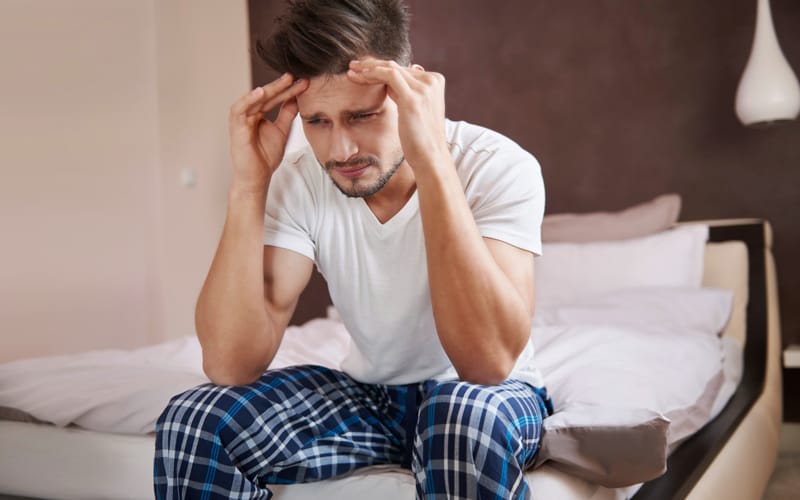
Drinking too much can cause physical as well as mental and emotional side effects. “Hangxiety”, also known as hangover anxiety, often occurs after consuming a lot of alcohol.
Alcohol-related anxiety is a real problem and normally occurs after a night of binge drinking.
Alcohol depresses the activity of the nervous system. When it comes back to life after your blood alcohol levels drop, the re-stimulation of the nervous system is thought to cause anxiety.
This phenomenon is commonly referred to as the “rebound” effect of alcohol and, aside from increased anxiousness, can also cause sleep disturbance and shakiness of the hands and feet.
Obviously, the best way to prevent hangxiety is to drink less alcohol. But life happens, and one might be tempted to overdo it while out socialising.
Here are some strategies to help deal with it when it happens.
1. Take deep breaths
Deep, slow breathing can help you relax and slow a racing or pounding heart. Breathe in while counting to four, then breathe out while counting to four again.
Do this for a few minutes until you notice your heartbeat slowing down.
2. Mindfulness meditation
You can meditate while sitting or even lying in bed, if you don’t feel up to being on your feet. Lie or sit back, close your eyes, and focus on your breathing while being present in the moment.
There’s a lot of research around the benefits of mindfulness, so it’s a great way to manage anxiety.
3. Put the night into perspective
Often, a big part of anxiety is worrying about what you might have said or done while drunk. But remember, what’s true for you is likely true for everyone else – in other words, you definitely weren’t the only one who said or did something you regret.
It’s also possible no one noticed anything.
Try to avoid fixating on what you might have said or done the night before, as your imagination will be on high alert and can often over-exaggerate what actually happened.
4. Take steps to prevent a hangover
Having a hangover is the root cause of hangxiety, so take all the steps you can to prevent having one. Drinking lots of water, eating before going out, and stocking up on your vitamins can help.
Like other hangover symptoms, hangxiety may be nothing more than a passing discomfort. In most cases, it will pass when your hangover subsides.
In other cases, it can be more serious. If your anxiety persists, or if you feel you need to drink more alcohol to cope with it, consider talking with a therapist or other healthcare professional.
Dennis Relojo-Howell is the founder of Psychreg. Connect with him on Twitter @dennisr_howell.