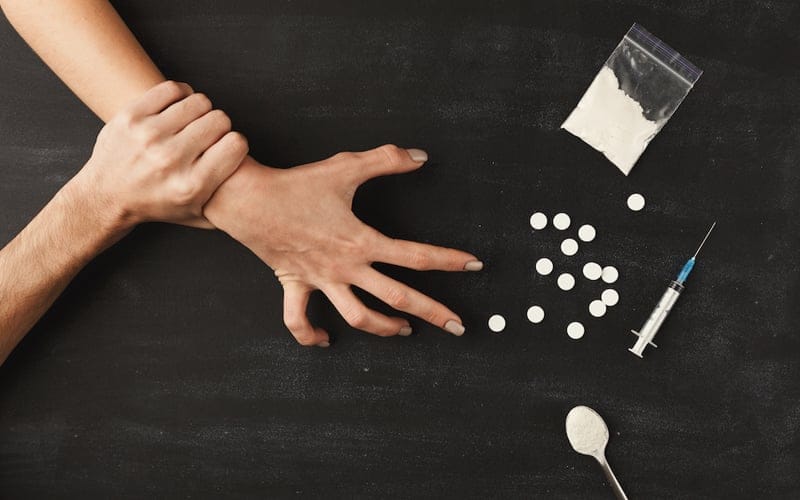
Addiction is a disease. Those who suffer from it are unable to stop using drugs on their own as it’s not easy and can also be dangerous.
To be successful, treatment for drug-use disorder requires professional help. The good news is that over the years, researchers have developed more effective techniques to help people overcome addiction.
Here are some of the different types of treatment available today.
1. Medication-assisted therapy (MAT)
MAT involves using medicines such as methadone or buprenorphine to reduce withdrawal symptoms when someone stops taking opioids. This also reduces cravings and blocks the effects of other opiates, so addicts don’t get high while withdrawing from substances.
MAT is very helpful as it helps those with opioid addiction quit gradually by reducing their dose over time until they are finally able to stop taking the medication.
2. Behavioural therapies
Behavioural therapy helps people learn how to cope with their addiction in a healthy way. There are different forms of behavioural therapy but they all share the same goal: to teach addicts how to live without using drugs.
These therapies can help them change their attitudes and behaviours towards drug use, learn how to handle stress and triggers, and develop healthy coping mechanisms.
Behavioural therapies include:
- Cognitive behavioural therapy (CBT)
CBT helps identify and change the thoughts and beliefs that drive addictive behaviours. It can be used to treat a wide range of addictions, including drugs, alcohol, gambling, and eating disorders.
- Dialectical behaviour therapy (DBT)
DBT was developed for the treatment of borderline personality disorder but has since been adapted to treat drug- and alcohol-use disorders. It teaches patients how to manage their emotions more effectively, which helps them avoid using drugs as a coping mechanism.
- Motivational interviewing (MI)
MI helps people understand the importance of making changes to their behaviour to overcome addiction. It’s based on the idea that when someone becomes highly motivated, they are better able to change harmful behaviours such as substance abuse.

- Interpersonal social rhythm therapy (ISRT)
This form of therapy uses an approach that aims to help addicts adjust their daily routines and sleeping patterns.
ISRT is especially effective when working with dual-diagnosis patients as it is a proven method that helps with mood disorders such as bipolar disorder and major depressive disorder.
3. Inpatient treatment
Inpatient treatment is when a person lives at the rehabilitation facility while they are receiving treatment. It is often recommended for those with severe addictions or who have serious symptoms that need constant and immediate care, such as suicidal thoughts or withdrawal symptoms.
It often includes behavioural therapies and other exercises as part of an intensive programme.
4. Outpatient treatment
Conversely, outpatient treatment involves going to the rehab facility for therapy while continuing to live at home with family or other loved ones.
These can be helpful as they allow patients access to their support system while they learn new ways to cope with their addiction.
5. Holistic therapies
Holistic therapies are treatments that focus on the whole person rather than just their addiction. These can include anything from yoga and meditation to equine and art therapy.
These types of therapies often help people address the underlying emotional and spiritual issues that may be contributing to their addiction.
Dennis Relojo-Howell is the founder of Psychreg. Connect with him on Twitter @dennisr_howell.