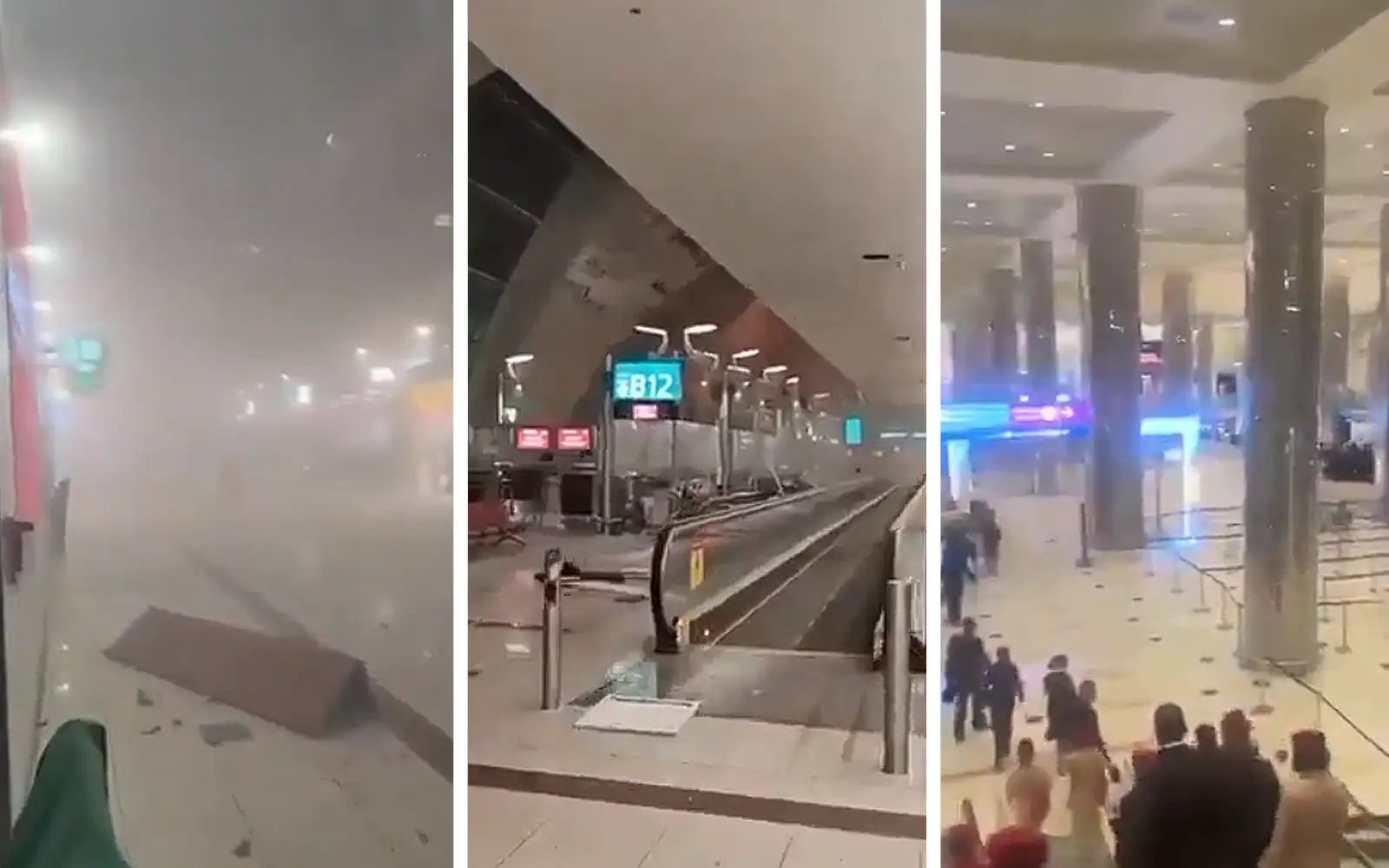
Nurul Ain Haron, 40, a Malaysian living in Ajman in the UAE, recounted the harrowing moments when debris from an intercepted Iranian missile fell in Dubai tourist hotspots, including Palm Jumeirah and City Walk, hitting a hotel in the area.
The missile had been successfully intercepted by the UAE’s air defence system, but the incident triggered panic among residents.
“There were no sirens. The situation became tense in the blink of an eye,” Nurul Ain told Berita Harian.
She said while daily life continued as usual and no curfews were imposed, the atmosphere created a sense of insecurity, particularly after news that Burj Khalifa – the world’s tallest building – had to be evacuated.
Nurul Ain, who is pregnant, also faced challenges when Dubai International Airport temporarily closed because of eightened airspace tensions, preventing her from travelling for both safety and health reasons.
“All we can do is pray that the situation remains safe and does not worsen,” she said.
In Doha, Qatar, Malaysians are similarly on edge following missile attacks by Iran in retaliation to US and Israeli strikes on Iranian targets.
An oil and gas worker, identified only as Mohamad, 43, said strong tremors from explosions damaged windows and walls in residential areas, with some debris hitting neighbouring homes.
“The situation is no longer normal. The safety of my family is my top priority,” he said in a Berita Harian report, adding that drones were seen flying over the city’s airspace.
Hakim, a pilot residing in Doha, confirmed the heightened sense of unease, urging Malaysians to pray for the situation in the Middle East to stabilise.
Local Malaysian communities have reportedly maintained active contact with the Malaysian embassy in Doha for updates and safety instructions.