For many Malaysians, it was a spectacle that felt distant, almost unimaginable. But two years later, that nightmare would unfold for real – and closer to home.
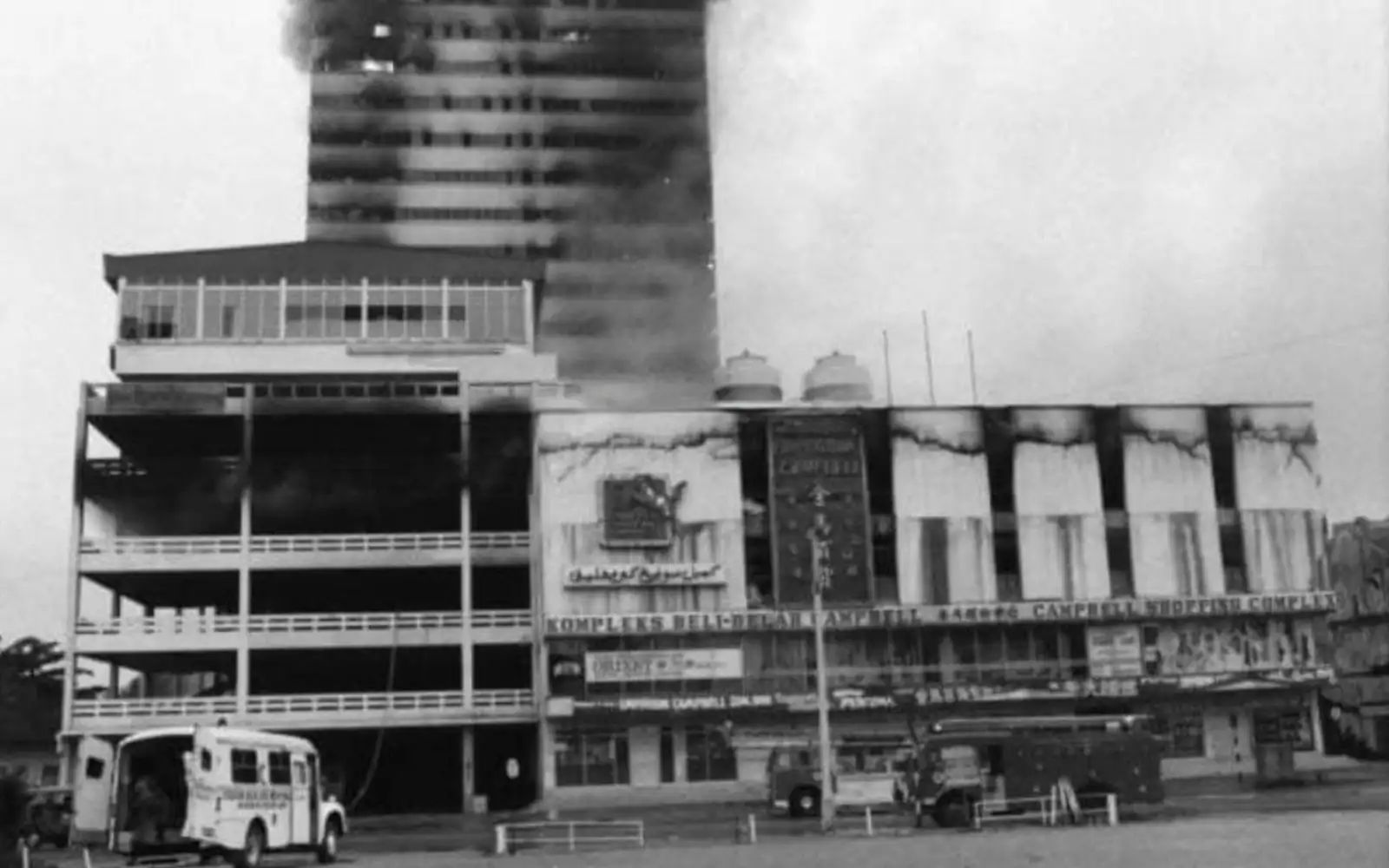
On the night of April 8, 1976, a fire broke out at Campbell Shopping Complex in Kuala Lumpur, and grew into what would be described as the country’s worst fire in a high-rise building.
For those who witnessed it, the images never quite faded.
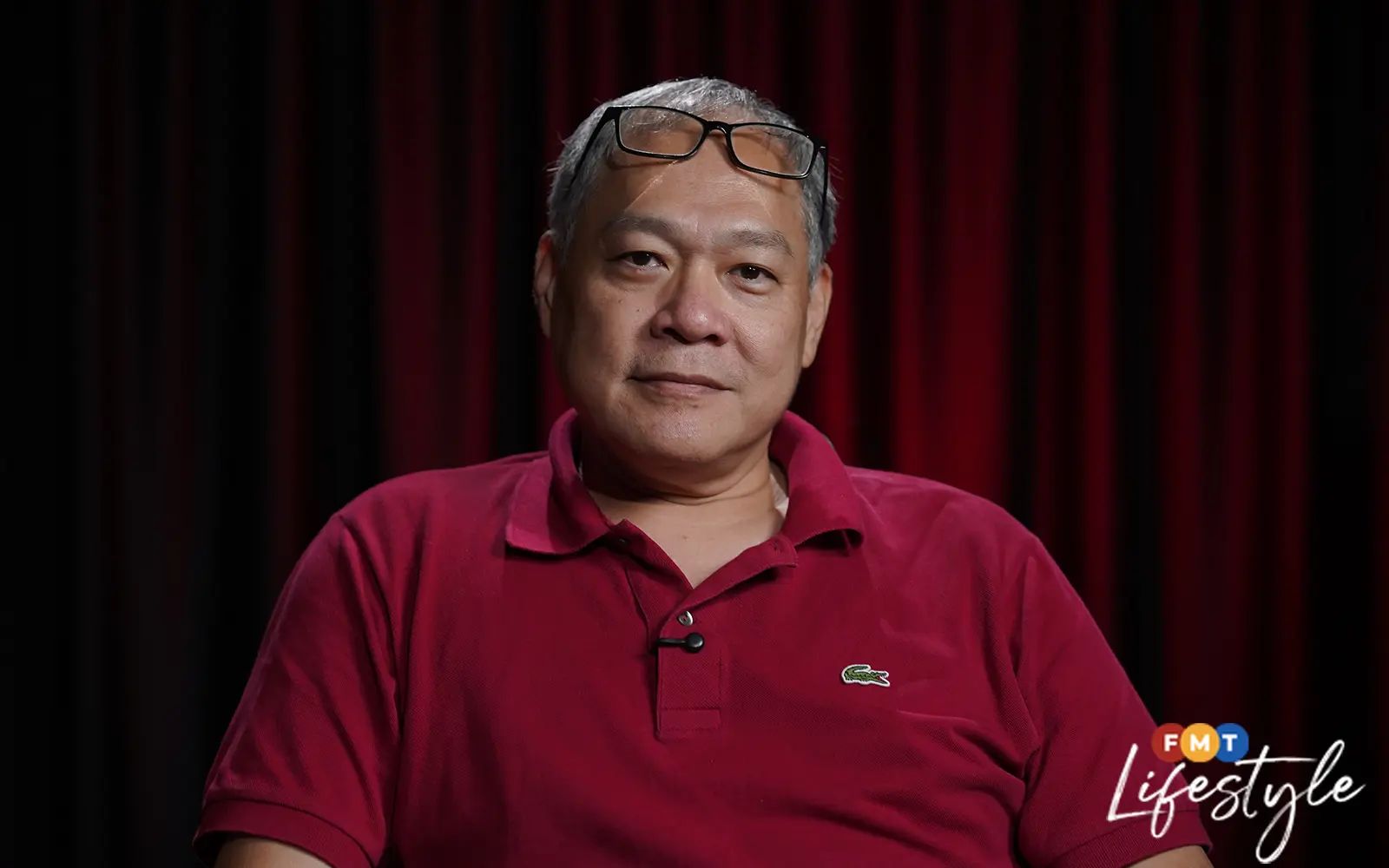
“I smelt smoke and I wondered where it was coming from. I looked around, then out the window. If I recall correctly, there was a small fire in one corner of the building, around the sixth floor,” Ali Munawar Zakaria recalled.
“It was very innocuous and small. Then the fire engine came.”
He was 15 at the time, living in a shophouse on Jalan Tuanku Abdul Rahman about 150m away. Ali went to bed thinking it would be over by the next morning. But when he woke, the flames were still raging.
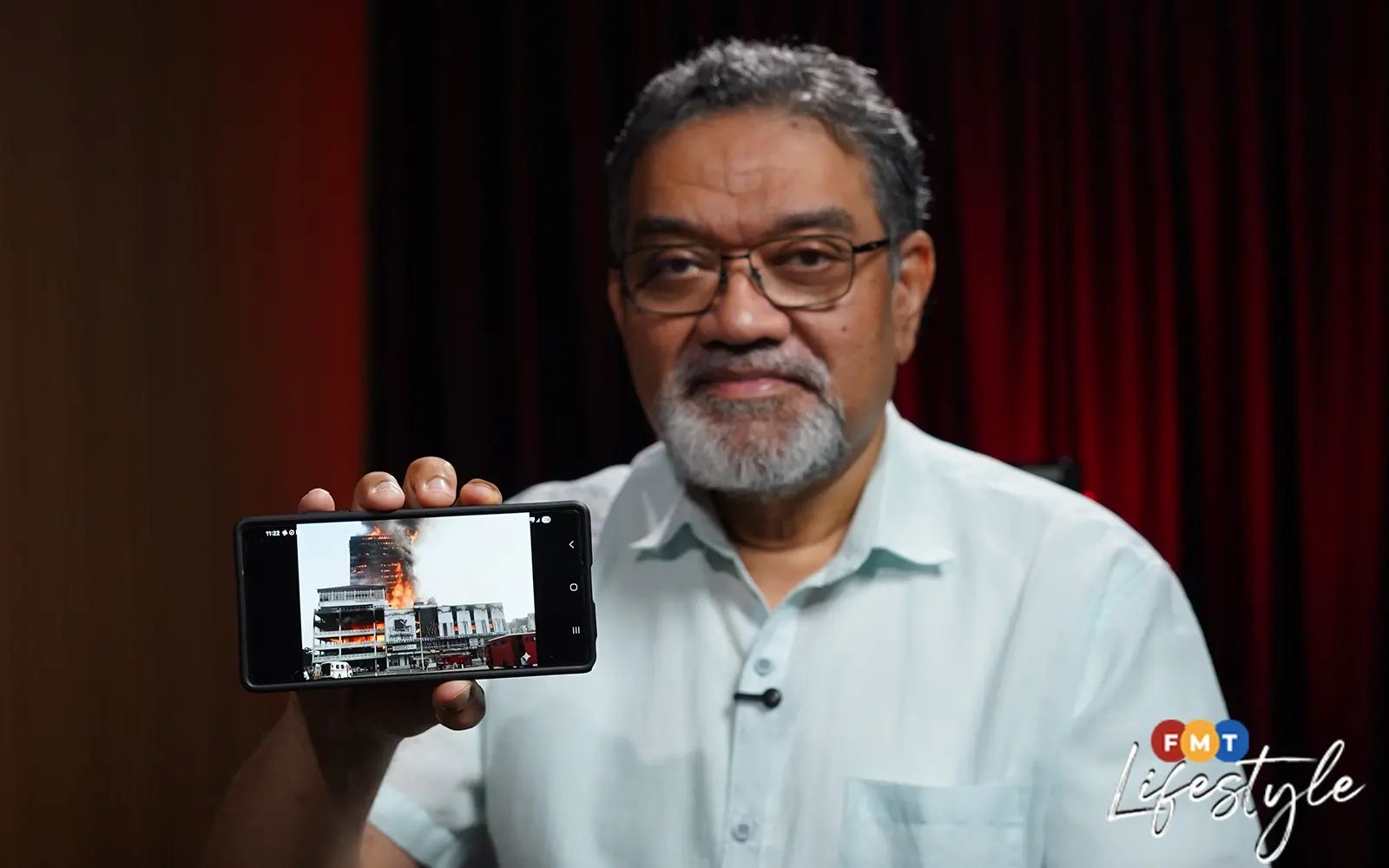
It was a memory shared by other witnesses, including Anthony Yew, who had only been six years old then. “Hours later, when you went out, you could still see smoke,” he recounted.
He lived at 49 Campbell Road – today known as Jalan Dang Wangi – and could see the complex from his home.
Yew remembers the wail of fire engines cutting through the air as traffic thinned; he believes the road must have been blocked off.
“I remember everyone saying that it was quite a tragic fire because it was an iconic building – a tall one back then,” he said.
The fire is believed to have raged for about 30 hours, engulfing the 20-storey complex in thick smoke and flames. By the time it was over, losses were said to have run into the millions, with 156 shops and 41 offices destroyed.
Amidst the chaos, the media reported that a man in his 50s died after jumping from the second floor in an attempt to escape.
“What struck me most was how helpless we were. In those days, tall buildings were a rarity in Kuala Lumpur. There weren’t too many of them. Then this one caught fire and they couldn’t do anything about it,” said Ali.
The fire was captured in striking headlines across newspapers – from The Star’s “Man dies in blaze drama” to “KL’s $50 million towering inferno” in The Straits Times (Singapore).
Accounts from The Straits Times the following day painted a chaotic scene, with most of the city’s fire services mobilised to battle the blaze.
As windows shattered, glass rained down. One of the water hoses was pierced by a windowpane, reducing water pressure and hindering efforts to contain the flames.
As the situation worsened, then KL mayor Yaacob Abdul Latiff acknowledged the grim reality. He was quoted as saying: “The fire is now out of control. It is too dangerous for us to go on fighting it. Firemen are hampered by low water pressure.
“The solution is to let it burn itself out. The building is made of reinforced concrete and there is no danger of a collapse.”
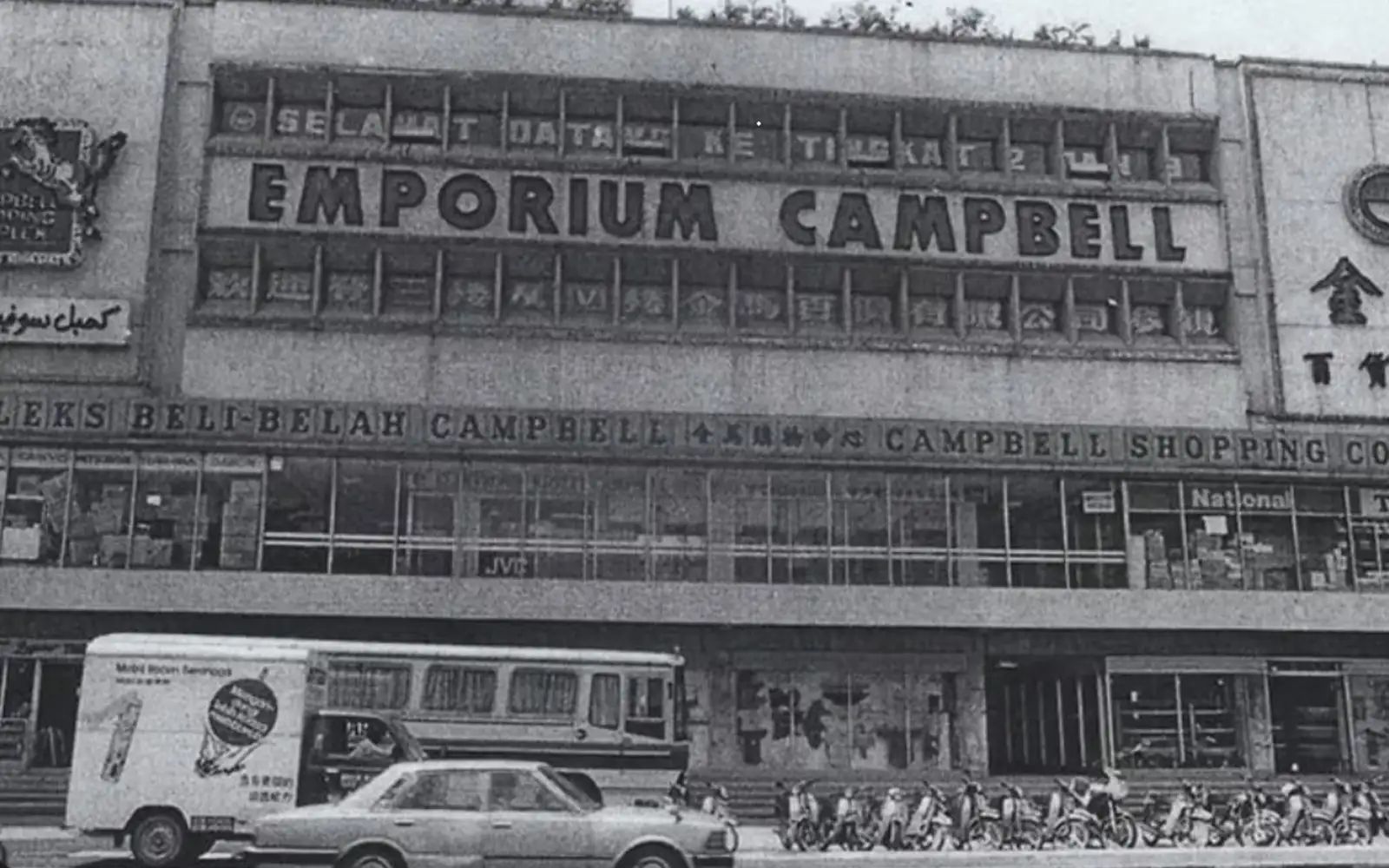
In the days that followed, attention turned to what remained. The English-language newspaper New Nation reported that the burnt-out complex had become a “headache” for its owner, Lim Thiam Leong, who faced a difficult choice – whether to salvage the structure or demolish it entirely.
For those who returned to the site, the devastation lingered in quieter, more haunting ways. Ali recalls seeing a space that was almost unrecognisable: dirt everywhere, and surfaces blackened and charred. The building, once full of life, stood still.
Yet for Ali, the loss was not just in what was destroyed, but what the complex represented. He used to visit it often, for groceries and Hari Raya shopping.
More than a building, it reflected a city beginning to grow upwards – a hint of the skyline to come.
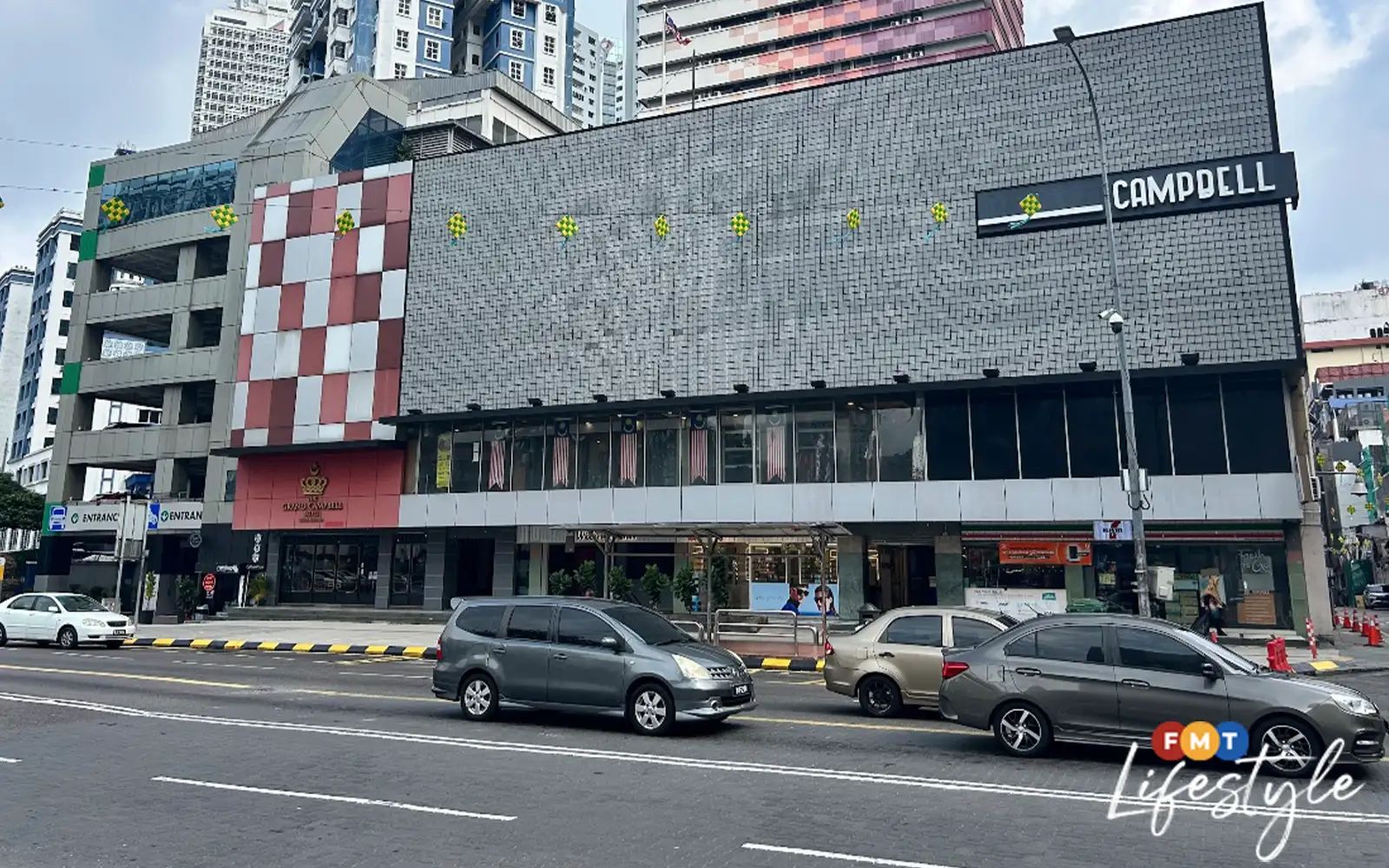
Today, the building still stands on Jalan Dang Wangi, restored and blending quietly into the rhythm of the city. Cars stream past and people hurry along. Many don’t give it a second glance.
Yet, behind its walls is a memory that remains etched in the city’s history: Kuala Lumpur’s own real-life “Towering Inferno”.