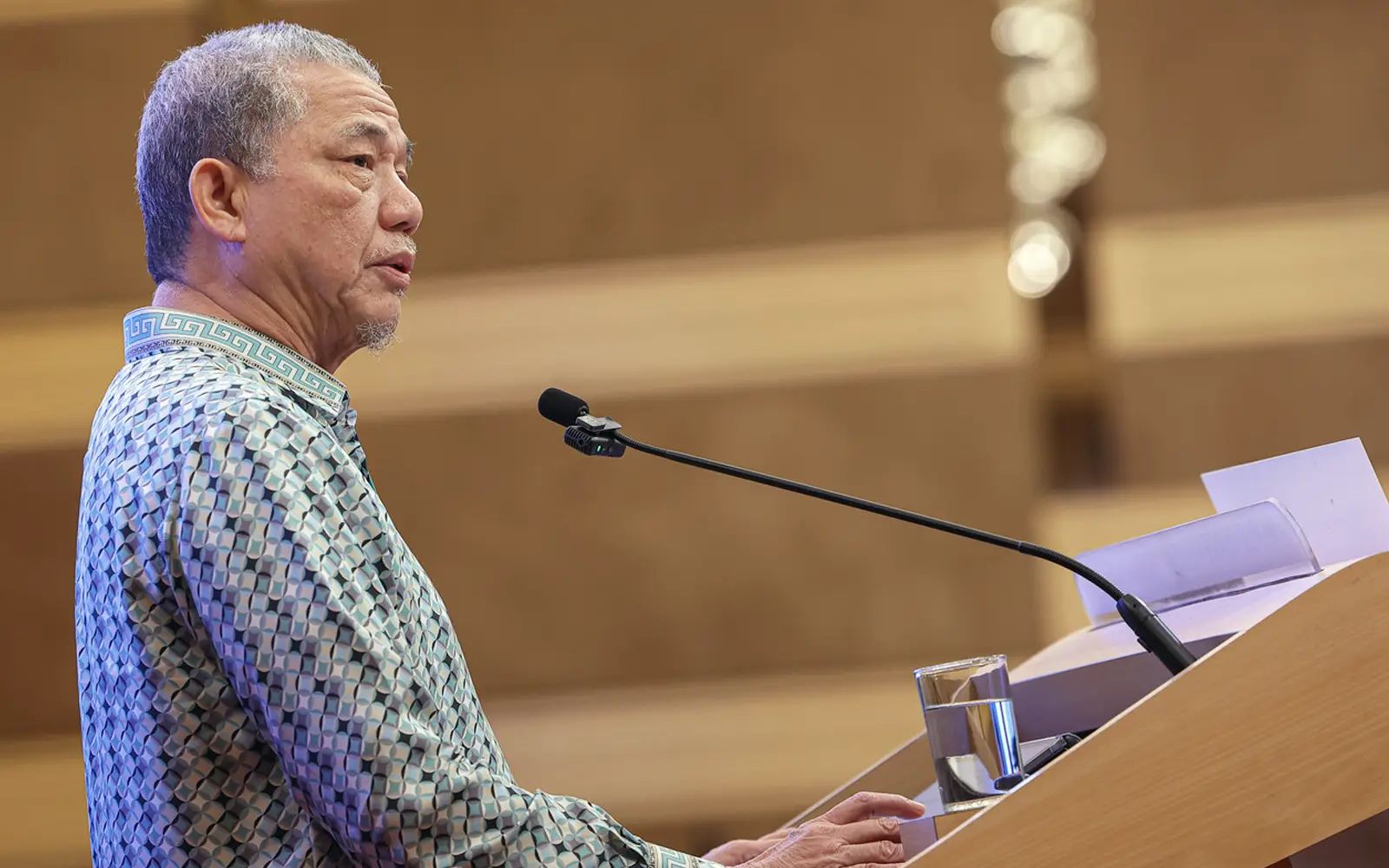
In a Bernama report, Fadillah said the volatility of global energy markets due to the conflict had exposed structural flaws in nations’ energy security, adding that countries face a “delicate balance” transitioning away from fossil fuels while safeguarding energy security.
The energy transition and water transformation minister noted that while crises often trigger a retreat to familiar energy sources such as fossil fuel, true resilience lies in consistently advancing sustainable solutions that secure the nation’s future.
“A nation is not defined by what it promises, but by what it delivers consistently, quietly and with conviction,” he said in his keynote address at the Malaysia Energy, Water & Climate Change Summit 2026 in Kuala Lumpur.
“Energy transition is not a climate obligation. It is a strategic necessity. Every megawatt of renewable energy we generate locally is a step away from vulnerability, and a step towards sovereignty.
“Short-term gains … must not distract us from long-term vulnerabilities. True security is not about what we earn today, but what we can sustain tomorrow.”
Fadillah noted that while the National Energy Transition Roadmap (NETR) provides a clear policy framework, the focus must now shift to effective implementation.
“First, the grid. Renewable energy is no longer the constraint … Transmission is. Without an expanded grid, our ambitions will remain stalled,” he said.
Malaysia achieved 32% installed renewable energy capacity as of June 2025, exceeding its initial 31% target. The 13th Malaysia Plan (2026–2030) has set a target of increasing the share of renewable energy to 35% of the total energy capacity mix by 2030.
Earlier this week, the head of the International Energy Agency (IEA) predicted that the energy crisis caused by the Middle East war would accelerate the development of renewable energy, nuclear energy and electric vehicles.
In an interview published on Tuesday in French newspaper Le Figaro, IEA executive director Fatih Birol said the spike in fuel prices caused by Iran’s blockade of the vital Strait of Hormuz chokepoint had given nations “reasons to be optimistic” due to how “the architecture of the worldwide energy system would change”.
Water tariff reforms are key
Fadillah also said Malaysia must push ahead with other key measures such as improving water management systems and reforming water tariffs to reflect real costs.
Stating that the country’s water tariffs are “disconnected” from operational realities, he warned that the country could not expect sustainability from a system that could not sustain itself.
“Technology offers solutions, (such as) smart metering, artificial intelligence detection (of water leaks), optimisation systems, but technology alone is not enough,” he said.
“If energy powers our growth, then water determines whether that growth can endure.”