Jamil Ghani said that although hydrocarbons have long underpinned Malaysia’s economy, recent geopolitical tensions and sharp price swings have revealed vulnerabilities that even producer nations like Malaysia cannot escape.

“Oil markets remain highly sensitive to geopolitical shocks. In that context, reducing reliance on volatile fossil fuel markets is less about preference and more about managing systemic risk,” he told FMT.
Jamil said resilience cannot be achieved on the back of a single resource, with a more diversified energy mix critical to strengthening the country’s long-term energy security.
This would include expanding renewable energy capacity and reducing dependence on imported fuels, while positioning Malaysia to participate in regional initiatives such as the Asean Power Grid.
According to Jamil, Petronas has played a big part in helping Malaysia achieve this target, expanding its role beyond oil and gas, with a growing focus on cleaner and alternative energy sources.
He said these efforts have already begun to produce results.
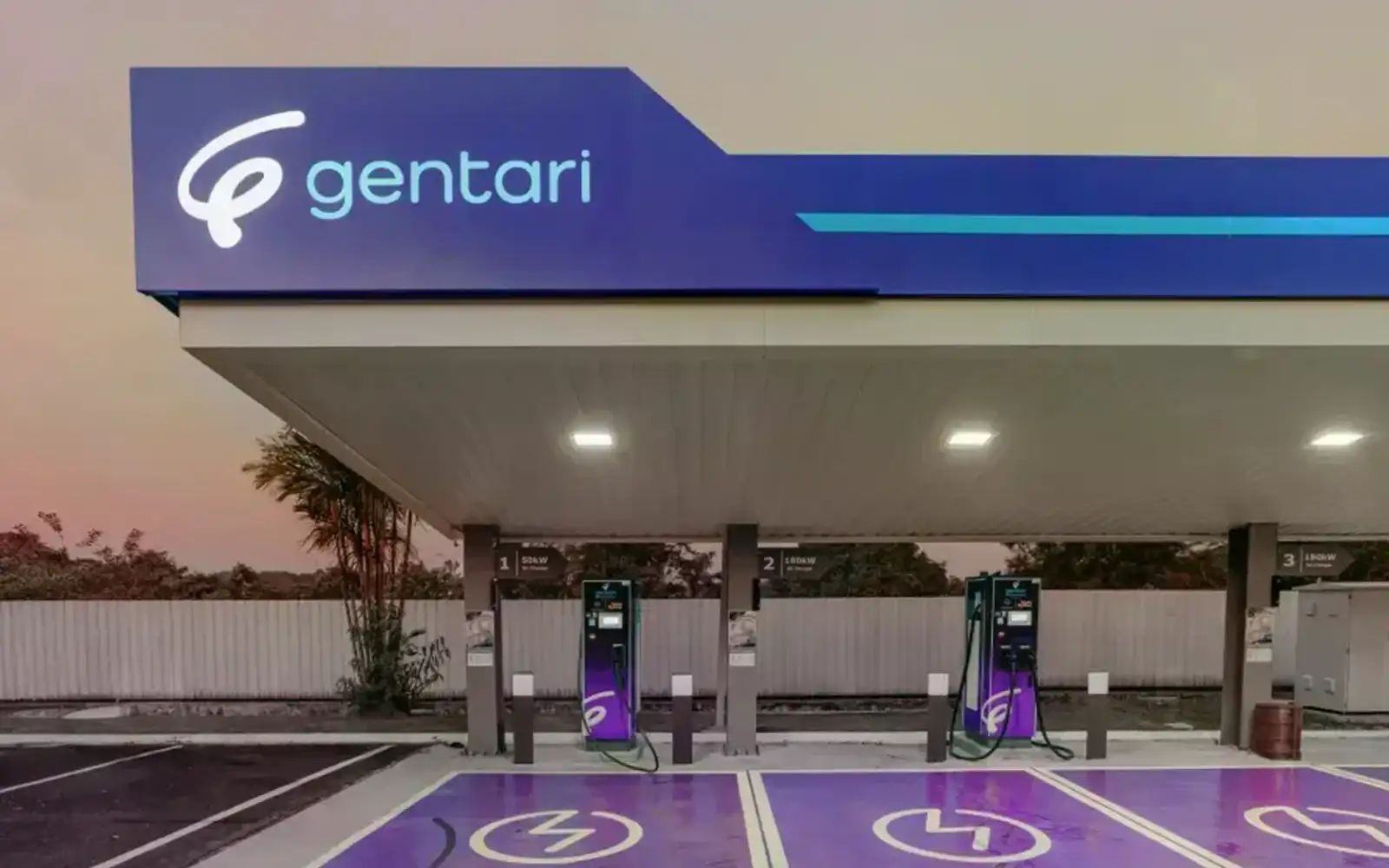
Jamil said Gentari, an independent entity launched by Petronas to spearhead its energy transition project, has built a global renewable energy and storage portfolio of 9.1GW as of late last year.
Petronas is also expanding into newer energy areas, he added, with plans to produce about 175 kilotonnes of clean hydrogen annually.
In addition, last year, the national oil and gas company secured Malaysia’s first offshore carbon capture and storage assessment permit at its Duyong field.
“These are not isolated pilot efforts but early building blocks of a broader strategy to diversify revenue streams while maintaining its core oil and gas business,” he said.
Petronas, together with Tenaga Nasional Bhd, has also been tasked with upgrading Malaysia’s renewable energy grid infrastructure, a critical component in enabling the transition to cleaner energy.
Jamil said grid capacity remains one of the biggest constraints, as existing infrastructure must be strengthened to absorb and distribute renewable energy reliably.
He pointed to projects such as the Hybrid Hydro Floating Solar and Green Hydrogen Hub in Kenyir, Terengganu, as examples of efforts to integrate generation, storage and downstream use.
“Grid expansion and modernisation will be decisive,” he said, adding that improvements in transmission capacity, system flexibility and storage solutions are needed to support further renewable deployment.
Jamil said that while Malaysia’s policy direction is broadly on track, with renewable energy capacity reaching about 31% by the end of 2025, execution remains a key challenge.
He said delays in regulatory approvals, coordination across agencies and commercialisation hurdles continue to slow progress, even as investment interest grows.
Jamil also noted that resources such as biogas derived from palm oil mill effluent remain underutilised due to gaps in infrastructure and regulatory clarity.
He said external pressures are mounting, particularly with the European Union’s Carbon Border Adjustment Mechanism (CBAM) set to take effect from this year, resulting in stricter carbon reporting requirements on exporters.
This, Jamil said, highlights the need for stronger carbon readiness across Malaysia’s supply chain.
“In short, Malaysia is moving in the right direction, but the binding constraint lies in execution capacity, both in streamlining approvals and strengthening institutional and industry readiness,” he said.