Bastian Pius Vendargon said a resignation is necessary only if it is clear that the prime minister, menteri besar or chief minister in question has lost the confidence of the majority of elected representatives.

“The executive head’s position remains intact as long as he commands the majority support of elected representatives at the time he seeks an audience with the ruler to dissolve the house,” he said.
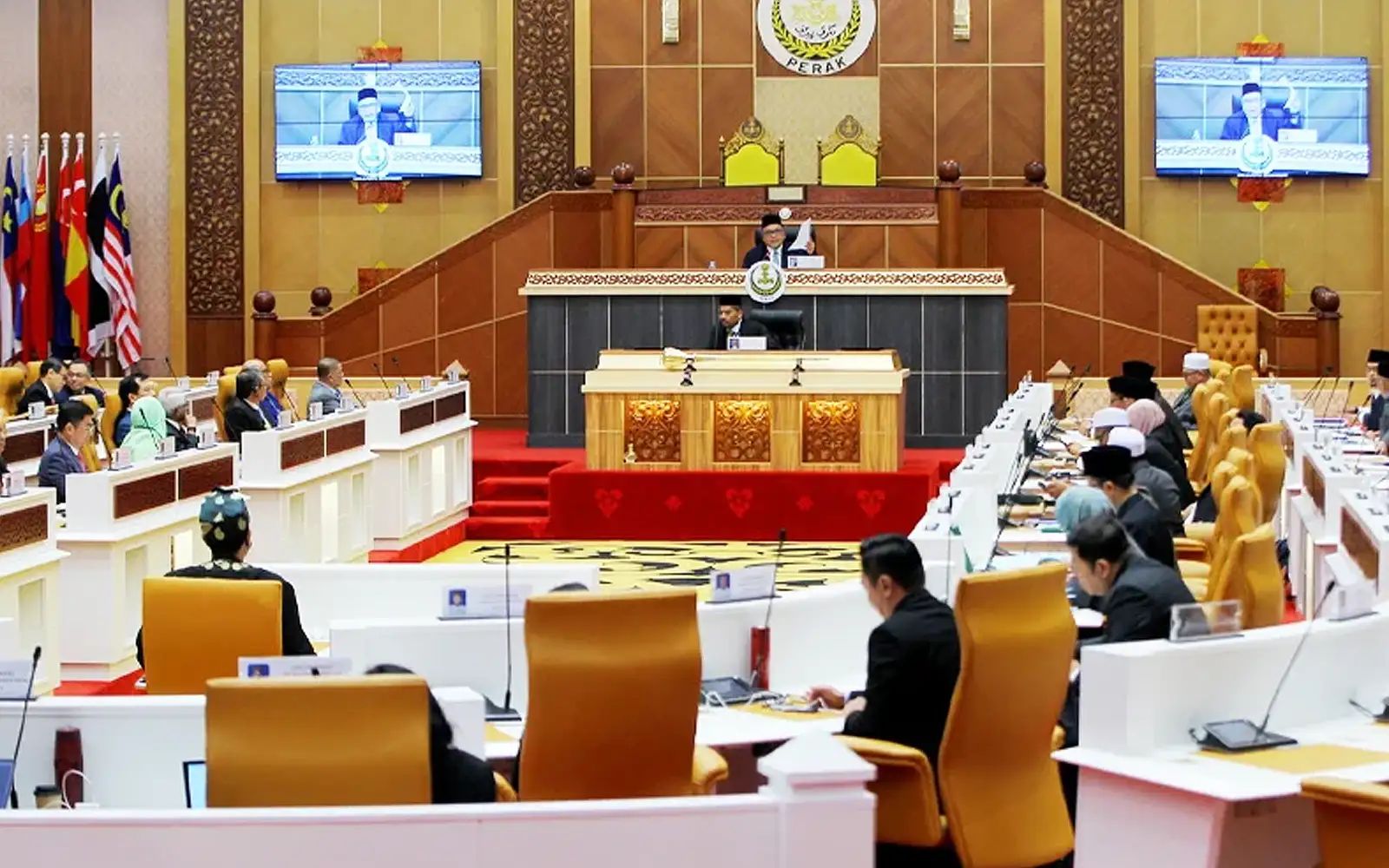
On April 9, Perak menteri besar Saarani Mohamad said the state would not see snap polls anytime soon, and that it was unlikely he would seek an audience with Sultan Nazrin Shah to dissolve the legislative assembly.
Bernama reported him as saying his administration still had more than a year left to fulfil its mandate, and that no discussions on dissolution had taken place.
Saarani said he would require the sultan’s consent to dissolve the state legislative assembly, and would have to tender his resignation as menteri besar if the request was rejected.
“This is unlikely to happen as I will not seek an audience with the ruler for that purpose,” he said.
Vendargon said Saarani’s remarks might be based on a misreading of the case of Nizar Jamaluddin v Zambry Abdul Kadir (2010).
In that case, the late Sultan Azlan Shah determined that then-menteri besar Nizar no longer commanded majority support in the Perak state assembly and requested Nizar’s resignation, which he refused to give.
The Federal Court held that the sultan was entitled to assess whether Nizar still commanded majority support without requiring a formal vote in the legislative assembly.
In its unanimous ruling, the five-member panel stated that evidence of any loss of confidence could be drawn from extraneous sources, so long as the lack of support was conclusively established.
In that case, three state assemblymen defected, causing the collapse of the Perak government led by Nizar. Relying on statutory declarations, the ruler appointed Zambry as Perak’s new menteri besar.
Vendargon said the Federal Court interpreted Article 16(6) of the Perak constitution literally, and held that the word “shall” meant Nizar was obliged to tender his resignation as menteri besar.
Article 16(6) reads: “If the menteri besar ceases to command the confidence of the majority of the members of the legislative assembly, then, unless at his request His Royal Highness dissolves the legislative assembly, he shall tender the resignation of the executive council.”
Lawyer Nurmustanir Nor said the Nizar case was the only such dispute decided by the Federal Court, and that “whether one agrees or otherwise,” its decision was based on its interpretation of the Perak constitution.
He said it was preferable for heads of government to determine their positions based on a vote in the Dewan Rakyat or state assembly, as the case may be.
“A vote will clearly show the level of support enjoyed by an executive head of government in numerical terms,” he said.