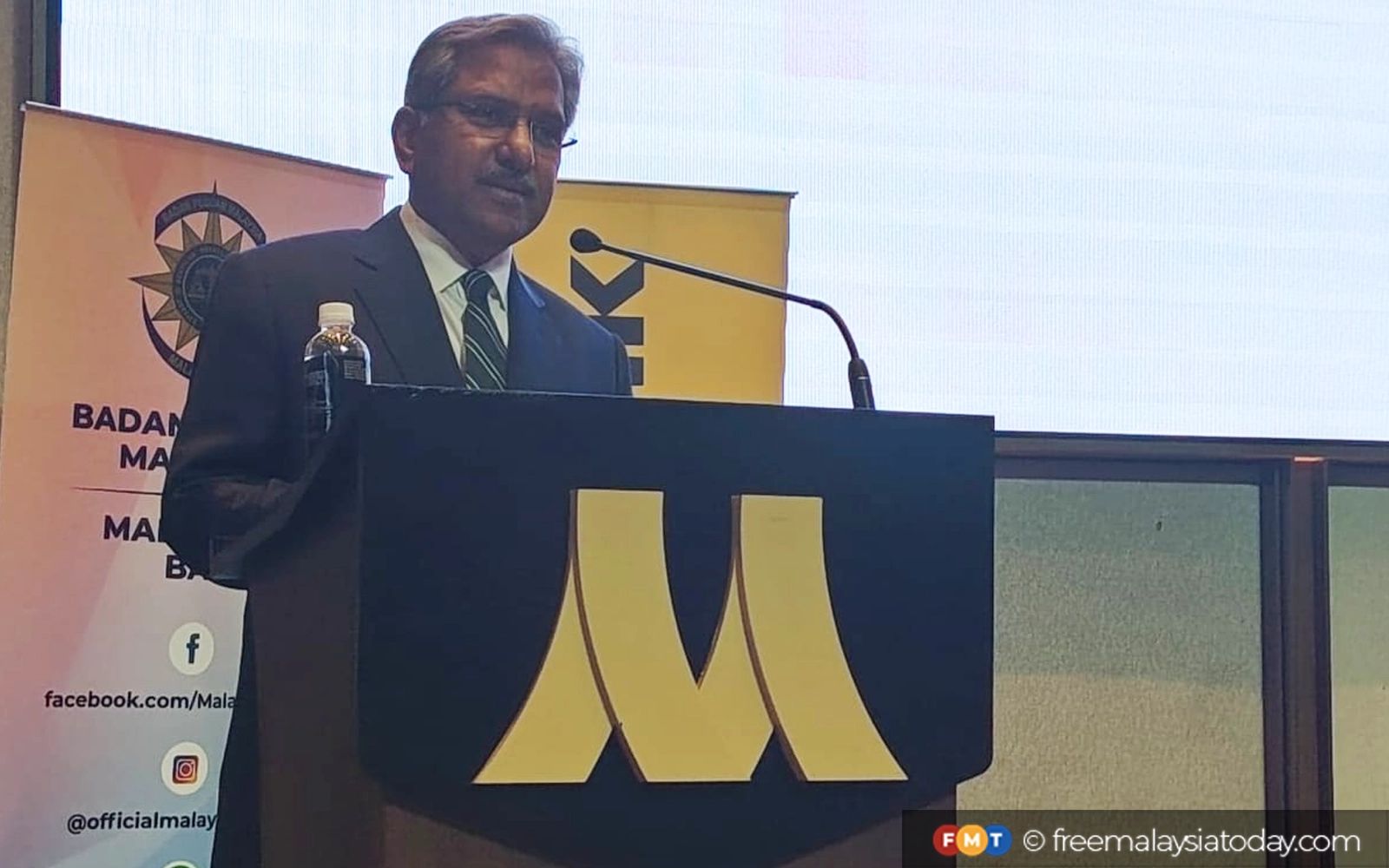
S Nantha Balan said his years on the bench revealed that the best employers were rarely in court because they made fair, transparent and consistent decisions.
Nantha, who retired as a Court of Appeal judge last year, is now a legal consultant. He said trust is built on respect and accountability.
“Trust, once lost, is rarely restored by legal argument alone,” he said in his keynote address at the Malaysian Bar’s Employment Law Conference at a hotel here.
Nantha said the future of employment law will not be defined solely by new laws, landmark judgments and regulatory reforms, but its legitimacy will depend on whether it serves the people it governs.
“Future-proofing work is not just a legal exercise but a moral and institutional one,” he said.
Justice Anand Ponnudurai, now sitting at the Kuala Lumpur High Court, said managing employees today is more complicated as employees question decisions more and there is less automatic respect for hierarchy.
“We also hear phrases like ‘I don’t think that is fair’ or ‘it’s a toxic environment’ quite often,” he said.
Anand said several developed countries have legislated the right to disconnect, which regulates whether employees can be required to work beyond their normal working hours.
“It is a question of whether employers are intruding on their workers’ private life space,” he said, noting that worker stress and burnout, which employers must be mindful of, are common these days.
Anand, who was an industrial lawyer before his elevation to the bench, said there needs to be a cultural change based on respect, dignity and psychological safety.
He said the problem is that many organisations today are managing “2026 workforces with 2006 mindsets under a legal framework shaped years ago”.