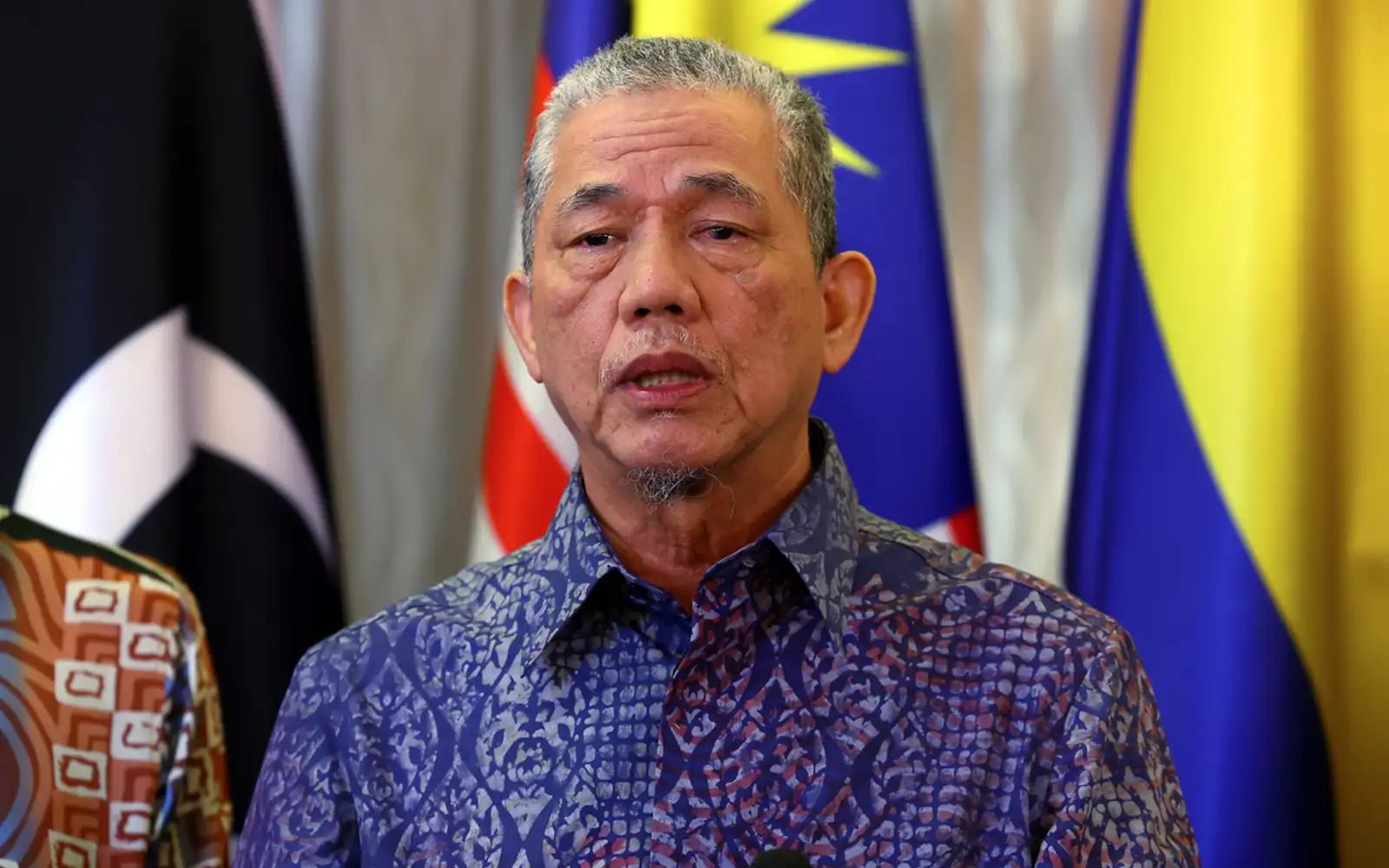
Deputy prime minister Fadillah Yusof said the world, including Malaysia, was entering this second wave of the crisis, shifting from energy price shocks to disruptions in oil and gas-based supply chains.
He said this latest phase would have broader implications across the economy, as the resources underpin key sectors.
“Oil and gas-based materials are widely used in daily life, including food packaging, consumer goods, healthcare, and logistics. When global supply is disrupted, production will be limited and costs will increase,” he said in a televised briefing on the global crisis today.
“The people may see price adjustments for certain goods or temporary supply disruptions in the coming period. The government is urgently managing these changes carefully so that people’s livelihoods remain protected and the impact can be controlled.”
Fadillah said Putrajaya will respond to this by securing additional imports, expanding international cooperation, and exploring alternative raw materials to stabilise supply.
“The government is focused on three main strategies – ensuring people’s basic needs are always met, prolonging our supply through prudent management of resources, and curbing profiteering through close monitoring and firm action,” he said.
He also warned of potential disruptions to plastic supply as global production was affected by instability in oil and gas output as well as uncertainty in the Strait of Hormuz.
“The manufacturing process depends on raw materials such as naphtha, ammonia, ethylene and propylene, which are derived from oil and gas,” he said.
Nonetheless, Fadillah sought to assure the public that domestic supply remained stable for at least another two months.
The conflict in the Middle East was triggered by US-Israel strikes on Iran on Feb 28, which killed numerous top leaders of Tehran, including its then supreme leader, Ayatollah Ali Khamenei.
Iran retaliated with strikes on Israel and US bases as well as Washington’s allies in the Middle East, including Gulf countries.
Tehran also closed the Strait of Hormuz, a key passageway for about 20% of the world’s oil supply, leading to a surge in oil prices and triggering a global energy crisis.
A 14-day ceasefire was reached earlier this month as peace talks were held in Pakistan, but failed. The ceasefire has been extended as negotiations are set to continue, but the US has also set up a naval blockade of the strait.