International Islamic University Malaysia’s Phar Kim Beng said countries in the Indo-China region, including Cambodia, Laos, Myanmar and Vietnam, do not fully understand the conflict rooted in politics and religion.
He said Muslim-majority countries such as Malaysia, Indonesia and Brunei are under pressure from both sides of the Gulf.
“They have been totally aghast at the war, yet whenever they side with Iran, they find themselves in trouble with the six Gulf states,” he said, referring to Gulf Cooperation Council countries whose cities and energy facilities have also come under attack.
Singapore, Phar said, is focused on the principles of freedom of navigation and the UN Convention on the Law of the Sea, particularly amid concerns over disruptions to shipping through the Strait of Hormuz.
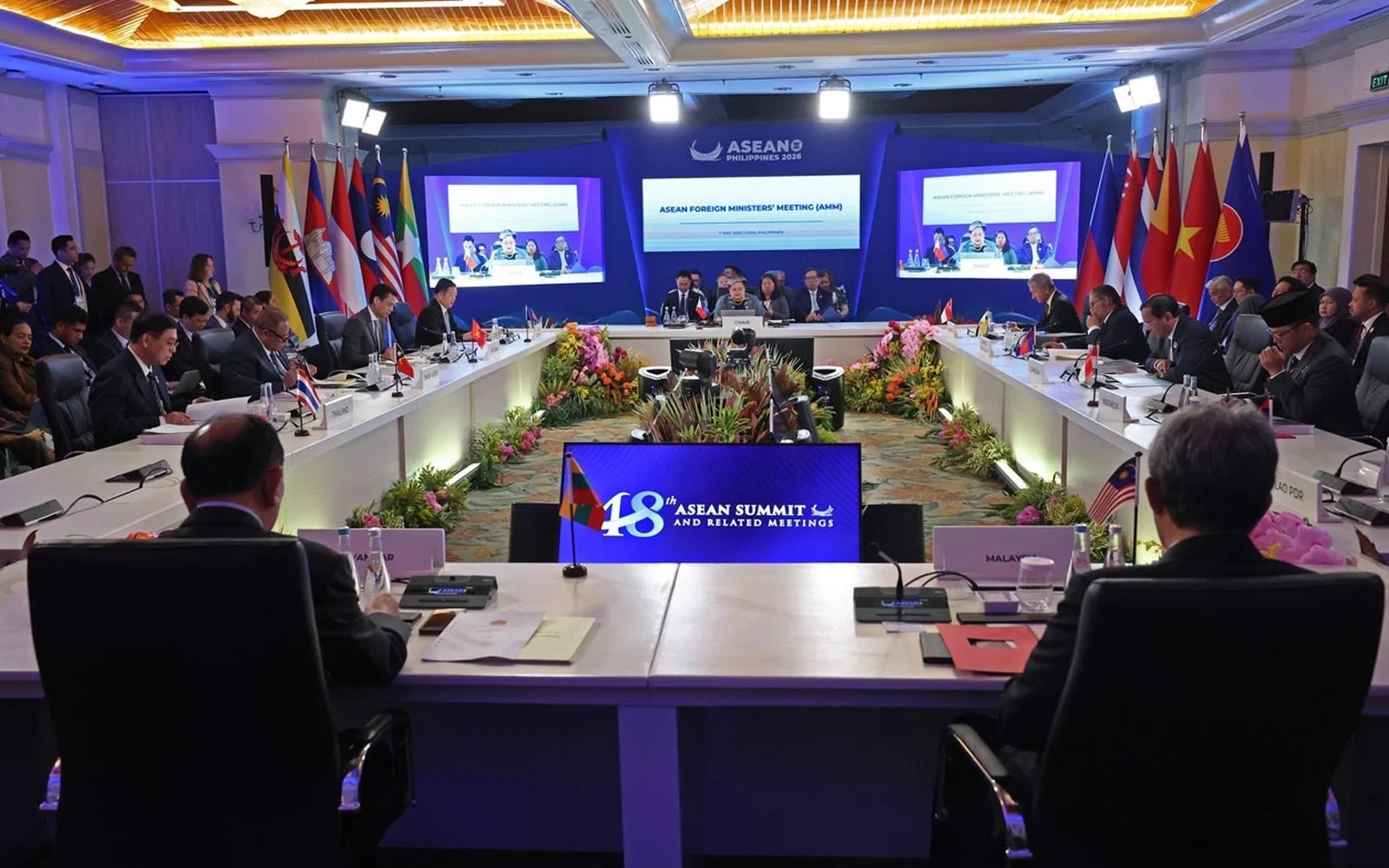
The West Asia conflict is expected to dominate meetings of the 11-member bloc that began today in the Philippines, as the crisis threatens fuel supplies for many Asean economies.
Asean ministers have already held special meetings ahead of the summit as countries look for alternative oil sources.
The Philippines, the current Asean chair, has expressed hope that an oil-sharing framework agreement could be pursued.
“Taking stock of our experience, however, our discussions at the special meetings have pointed out that Asean needs to strengthen our crisis coordination and institutional readiness in times of crisis,” said Philippines foreign affairs secretary Ma Theresa Lazaro at the opening of the Asean Foreign Ministers’ Meeting.
However, Phar said Asean’s energy response remains divided because member states rely on different strategies to secure supplies and protect their economy.
“Malaysia has good relations with Iran, and if the likes of Sapura and Petronas have oil tankers trapped by the situation in the Strait of Hormuz, we are bound to seek their release by negotiating with Iran or third parties that know Iran well,” he said.
Dr Julia Roknifard of Taylor’s University said most Asean countries were unlikely to take a strong stance against US actions involving Iran, given their reliance on Washington for foreign direct investment and other economic support.
She said this fragmented response was already evident in the bloc’s divided reaction to US president Donald Trump’s tariff threats.
With the conflict likely to persist, Roknifard said Asean countries should prioritise diversifying their energy sources – citing Russia as one option – rather than relying solely on diplomatic efforts.
“A diversified supply chain is the only realistic path forward,” she said, adding that several Asean states were already negotiating energy purchases from Russia on pragmatic rather than political grounds.