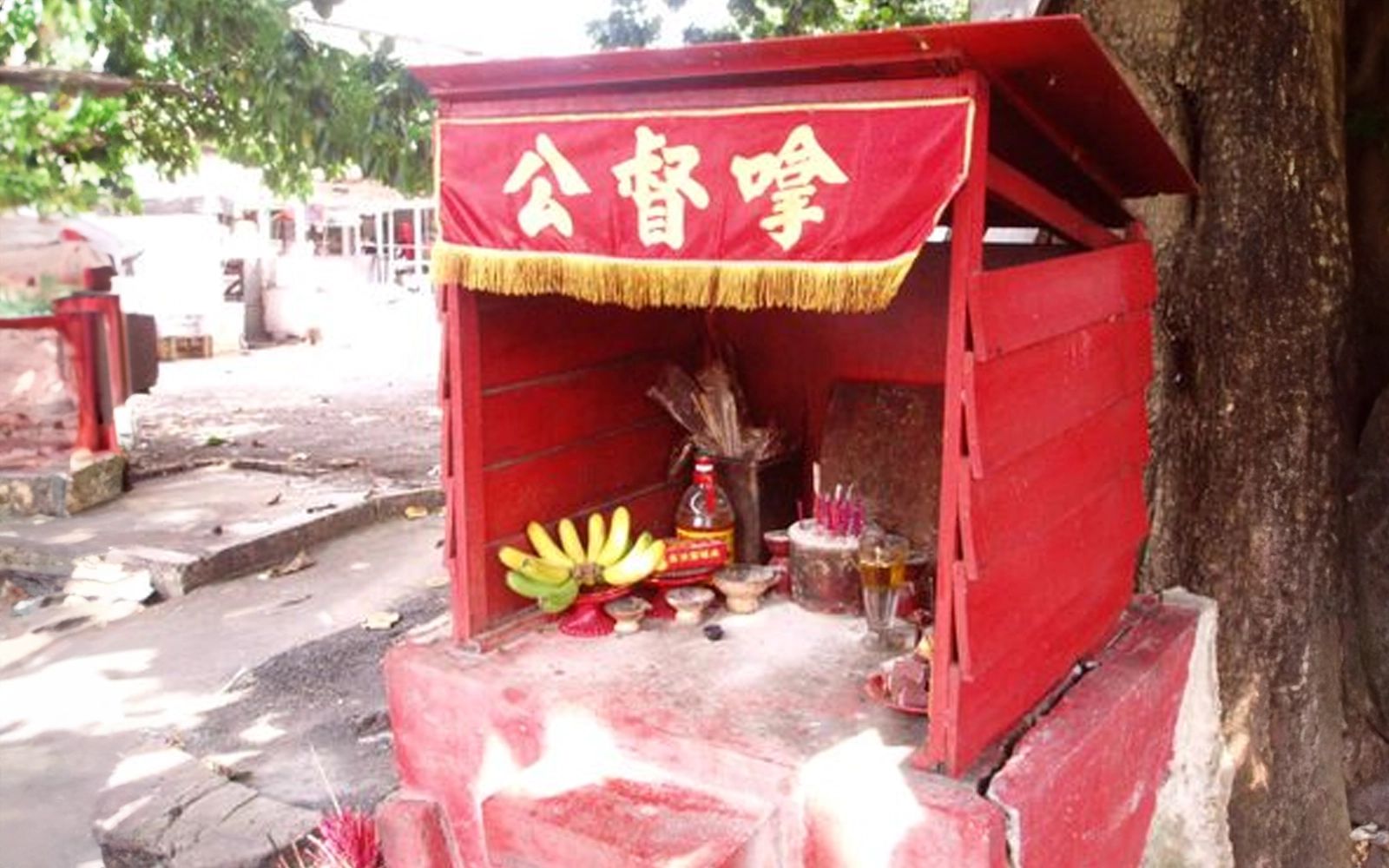
Despite its Chinese heritage, it does not even have a link to China, according to Chin Yee Mun, a researcher at the Tun Tan Cheng Lock Institute of Social Studies.
He said the concept can be traced back to the Malay concept of “keramat”, which are figures often regarded as respected religious or community leaders who have gained special powers after death.
The Chinese just adopted it as their folk religion, Chin told FMT.
He said that in the Malay community, it began as a saint-worshipping cult.
“Soon after the Chinese settled in Malaysia, they adopted the practice and reinterpreted it, developing it into what is now known as Datuk Gong or ‘Na Tuk Kong’ worship,” he said.
The term “Gong” itself is used as a respectful address for deities in Chinese tradition, he said.
While most Datuk Gong figures are represented as Malay, Chin said some shrines depict them as Chinese, Indian or Orang Asli.
Worshippers commonly view Datuk Gong as “god of the earth” (Tu Di Gong), a guardian spirit believed to oversee the well-being of a particular location.
“As the god of the earth, Datuk Gong manages affairs that are not confined to the home, such as safety, relationship with authorities, wealth and matters that need local networks,” he said.
This, Chin added, explains why shrines are usually placed outside homes, shops and workshops rather than within main prayer areas.
On the use of Malay, Arabic or Islamic-looking words and symbols, Chin said the public should first understand the belief behind the practice.
Rather than a sign of disrespect, he said, incorporating these elements into their belief system is a show of deference.
Datuk Gong shrines have, on occasion, faced vandalism or demolition amid sensitivities over their appearance and perceived religious overlap.