Khoo described social media as a “wicked devil” that had become a platform for stoking prejudice, suspicion, and racial sentiment among the public.

“Our problem since 1969 has been trying to find a single narrative about its causes, when we need to understand the many narratives that exist.
“From there arises prejudice, suspicion, and deepening racial sentiment, made worse by the existence of the devil named social media,” he told FMT.
His remarks are backed by figures from the Malaysian Communications and Multimedia Commission, which had removed 398 pieces of content related to religion, royalty, and race (3R) as of last April. A total of 8,540 such pieces have been taken down since 2022.
‘Handle it maturely’
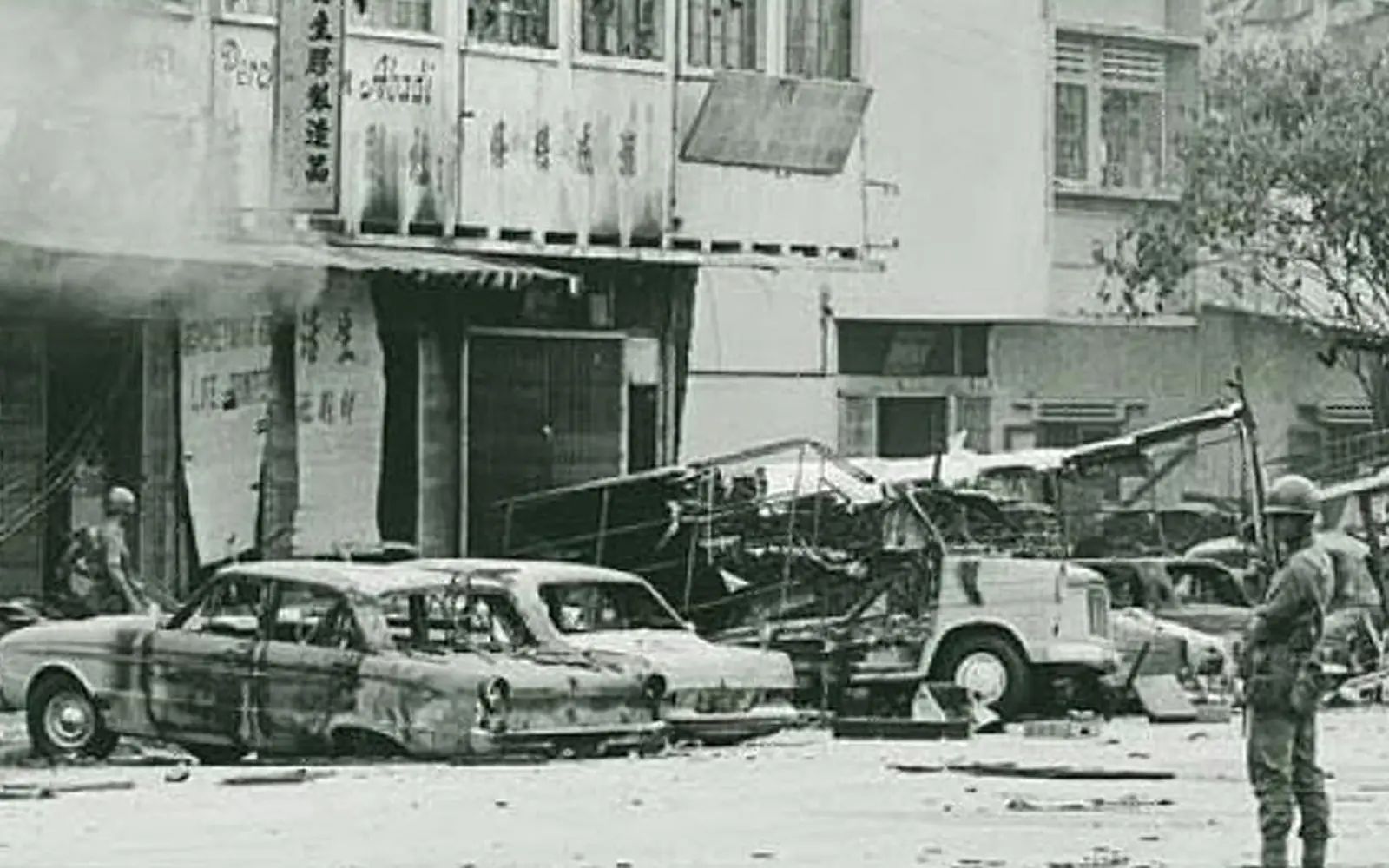
The May 13 riots erupted in Kuala Lumpur in 1969 following a general election, leaving at least 196 people dead according to official figures – 143 Chinese, 25 Malays, 13 Indians and 15 others – with more than 400 injured.
Khoo said the tragedy could not be erased from the nation’s history, but that society needed to confront it maturely by building deeper understanding and unity, moving beyond the toxic noise of social media.
“Education needs to be rooted in history, but we focus too much on science and technology until human values are increasingly lost.
“History has become a matter of assumption, and that is the great sorrow of our nation,” he said.
He added that as long as the tragedy was concealed or weaponised for political ends, the country would struggle to move forward.

Shamsuri Suradi, secretary-general of the Kampung Baru Community and a witness to the riots, said ordinary Malaysians had no real problems with one another.
He blamed the riots on a handful of leaders who incited unrest for personal gain, causing the slow recovery of interethnic relations.
“Generations after the 1980s may no longer feel that hatred because they see this world as belonging to everyone. But those born before that era truly felt its impact.
“I hope no one tries to incite, especially political leaders. This could have been avoided if we had mutual respect and did not provoke one another,” he said.
Shamsuri also said the country needed leaders with a clear vision to break free from the cycle of interethnic suspicion.
Not the real picture
On the ground, however, younger Malaysians painted a different picture from what circulates online.
Trainee lawyer Syahid Syukri said social media conflicts do not reflect the actual state of relations between Malaysians of different ethnicities.
“Unity exists. At my workplace, Malays, Chinese, and Indians work and live in harmony together,” he said.
His view was shared by private sector worker Nelson Wong, who said national unity remained strong and could be further improved.
“Don’t rely too much on social media. We need to go on the ground and help everyone regardless of race,” he said.