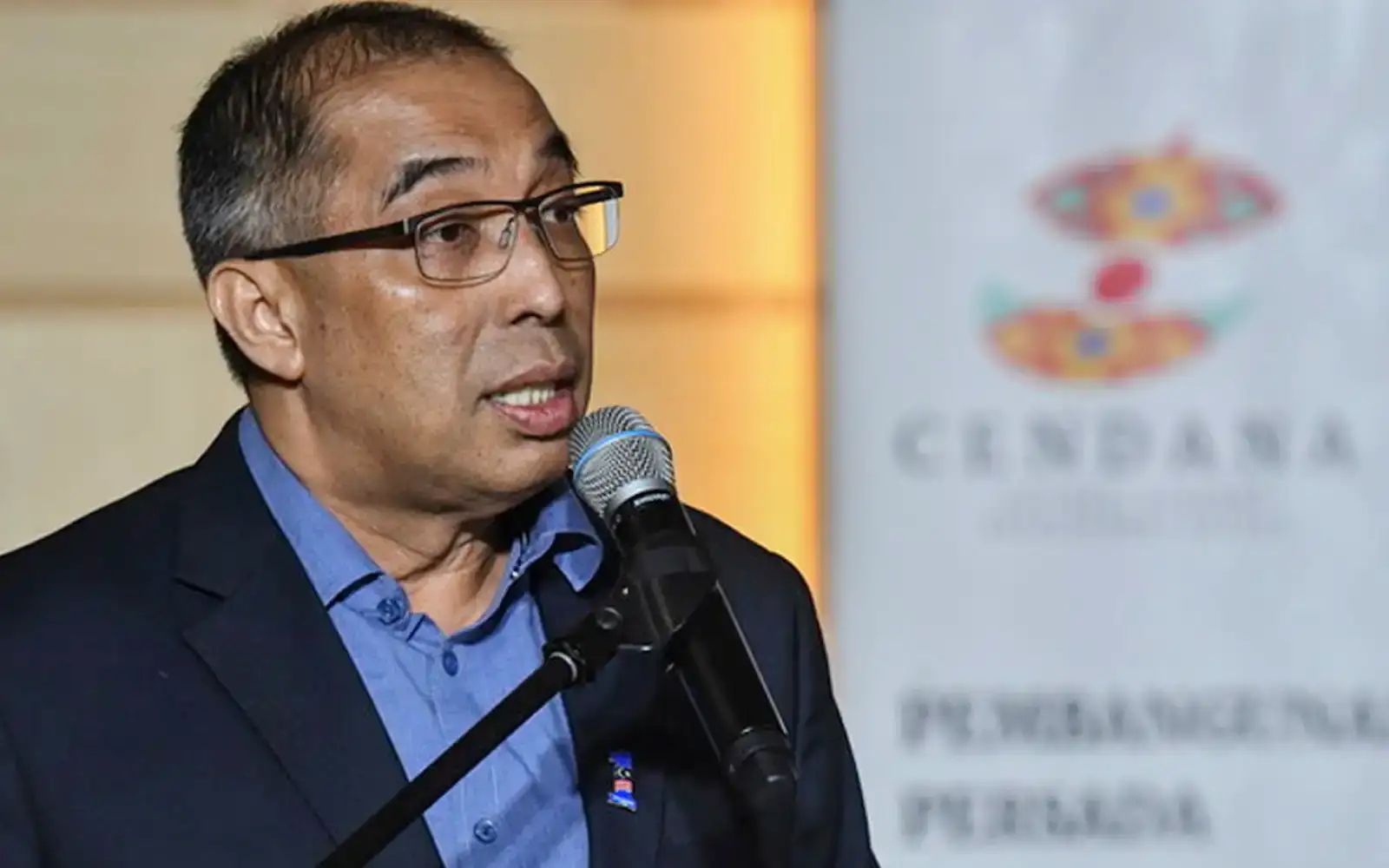
Salleh said the issue reflects a clear divide in approach, with Peninsular Malaysia often framing the UEC through the lens of national identity, the Malay language, and the national education system.
“As a result, what should primarily be an academic qualification matter frequently becomes politicised,” he said in a Facebook post.
In contrast, he said, Sabah and Sarawak tend to take a more practical approach, where the UEC is generally accepted as part of a multi-stream education system that reflects the region’s diverse society.
Salleh pointed out that in Sabah, many Bumiputera students are enrolled in Chinese independent schools, indicating that families there place greater emphasis on education quality and opportunities rather than political debate over certification.
He said that in both Borneo states, the priority remains access to education, inclusivity, and the development of human capital.
“This divergence underscores how perspectives differ between the federal centre and Borneo, where local realities play a significant role in shaping educational approaches,” he said.
“Overall, the UEC issue is not just about education policy. It also reflects broader differences in political and social priorities within Malaysia.”
The Cabinet has decided to allow students from tahfiz institutions, private schools, and Chinese independent secondary schools to enter public universities if they hold a full SPM certificate.
UEC graduates without a full SPM certificate but who pass the BM and History subjects conducted by the Malaysian Examination Board may apply to enrol in limited programmes on Chinese linguistics or Chinese studies.
Prime Minister Anwar Ibrahim said today the issue should not be politicised.
He said the admission of UEC holders to public universities is subject to strict conditions, similar to other applicants from education systems outside the national curriculum.