From Ramli Nor
I am a son of the Semai and Temiar people. Long before I walked the halls of the Dewan Rakyat, I earned my doctorate and served the nation in the Royal Malaysia Police. My worldview was shaped in the Batu 12 Orang Asli settlement.
Today, as the first Orang Asli MP in Malaysia’s history, my presence in the legislature is not merely symbolic, but a mandate to ensure that the hopes, struggles and historically silenced voices of our indigenous communities are woven directly into our national policy, particularly our education system.
For decades, the narrative surrounding the Orang Asli has been one of charity rather than structural equity. As we navigate rapid economic transitions in Malaysia, we must fundamentally reassess how we equip the next generation. The true equaliser is not just welfare, but uncompromising access to quality education.
The core impediment: systemic integration into mainstream education
When we discuss the future of the Orang Asli, the conversation must inevitably centre on learning and development. While our ancestral land remains our heritage, education is our definitive passport to the future.
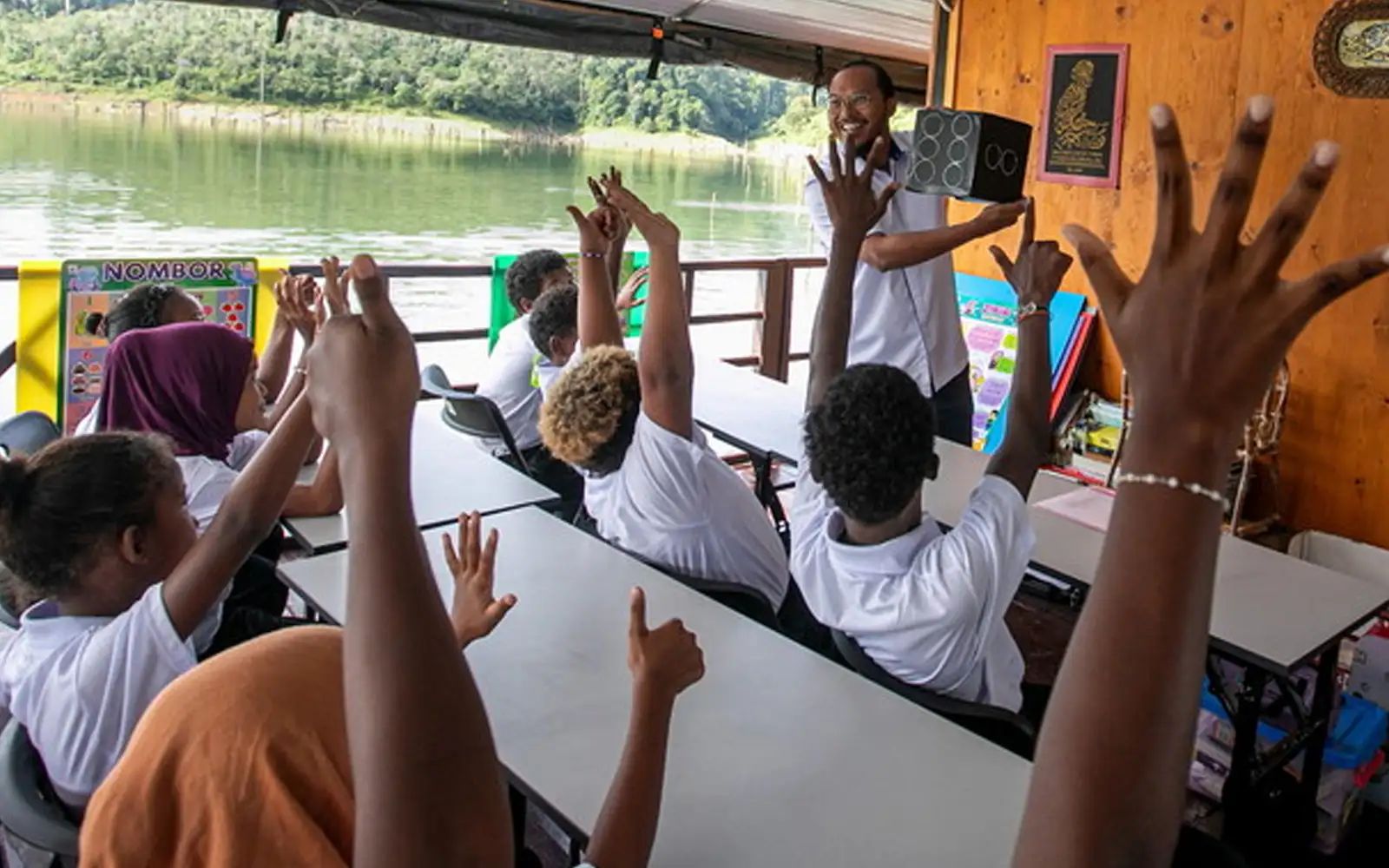
Historically, Orang Asli children have faced immense, systemic hurdles in fully integrating into Malaysia’s mainstream education system. The geographical isolation of our settlements often means that pursuing a standard, mainstream education requires young students to overcome extraordinary logistical, financial and psychological barriers.
When our children are placed in an educational current that does not account for their unique starting line, the system inadvertently sets them up for marginalisation rather than success.
Bridging the infrastructure and opportunity divide
We cannot separate our community’s stark socioeconomic realities from the disparities in educational access. Despite our nation’s immense wealth and development, many interior settlements still lack basic, modernised educational infrastructure.
When national policies fail to bridge this accessibility gap, we see devastating, direct consequences:
- High dropout rates: The lack of accessible secondary schools often forces young children to leave their families for distant, unfamiliar boarding hostels, leading to profound cultural dislocation, homesickness, and early withdrawal from the school system. Some children have to leave home by the age of seven and endure six hours of travel just to access a primary school education.
- The digital divide: Poor internet connectivity and an absence of modern digital devices in remote areas leave our youth severely disadvantaged in an increasingly tech-driven, post-pandemic curriculum. During the movement control orders of the Covid-19 pandemic in late 2019, many Orang Asli kids were disconnected from education due to lack of equipment for online classes and internet accessibility at their villages. This impacted their essential 3R (reading, writing, arithmetic) skills.
- Under-representation in higher education: Without targeted academic support and accessible learning facilities at the foundational levels, too few of our brightest minds transition successfully to public universities, technical institutes, or professional sectors.
As a nation, we must transition from viewing Orang Asli education as a logistical burden to viewing it as untapped national potential.
A blueprint for inclusive policymaking
If Malaysia is to truly embody an inclusive democracy and progress together, our educational frameworks must evolve to proactively bring the Orang Asli into the fold.
Here is what needs to change:
- Building accessible educational facilities: We must mandate and fund the construction of fully equipped, modern schools closer to or directly within Orang Asli settlements. Where this is impossible, the state must provide safe, reliable and free daily transportation networks to eliminate the physical barriers to attending school.
- Today we have a pioneer school established by the Orang Asli development department – the Intellectual Centre for Orang Asli Students – which has shown success in nurturing many future leaders to serve their communities and the country with their skills and expertise.
- Targeted mainstreaming support: Enhancing involvement in the mainstream education system requires more than just opening school gates, but also dedicated intervention. We must expand quota systems, specialised scholarships and bridging programmes to help Orang Asli students successfully enter elite boarding schools, Mara Junior Science Colleges, and public universities.
- Contextualised and future-ready curricula: We need educational policies that respect and integrate indigenous heritage into the national curriculum, fostering community pride while aggressively bringing high-speed internet, STEM (science, technology, engineering and mathematics) and TVET (technical and vocational education and training) into the deepest interiors.
- Cultivating Orang Asli educators: Empowering the community means training, recruiting and deploying more Orang Asli teachers. They serve not only as essential educators but as vital, relatable role models who understand the socio-cultural nuances of their students.
The educational empowerment of the Orang Asli is not a fringe issue for me, but a litmus test for Malaysia’s commitment to justice and equitable development.
My personal journey from a settlement in Gombak to the chair of the deputy speaker is living proof that Orang Asli can lead, excel, and shape the nation when given equitable access to the mainstream education system.
True national progress dictates that the Orang Asli must no longer be left behind as an afterthought in our education system. It is time for bold investments in accessible schools and inclusive policies that empower our youth to stand as equal partners in the mainstream currents of Malaysia’s continued prosperity.
Ramli Nor is a Dewan Rakyat deputy speaker. He became Malaysia’s first Orang Asli MP when he was elected to the Cameron Highlands seat in a by-election in 2019 with a majority of 3,238 votes.
The views expressed are those of the writer and do not necessarily reflect those of FMT.