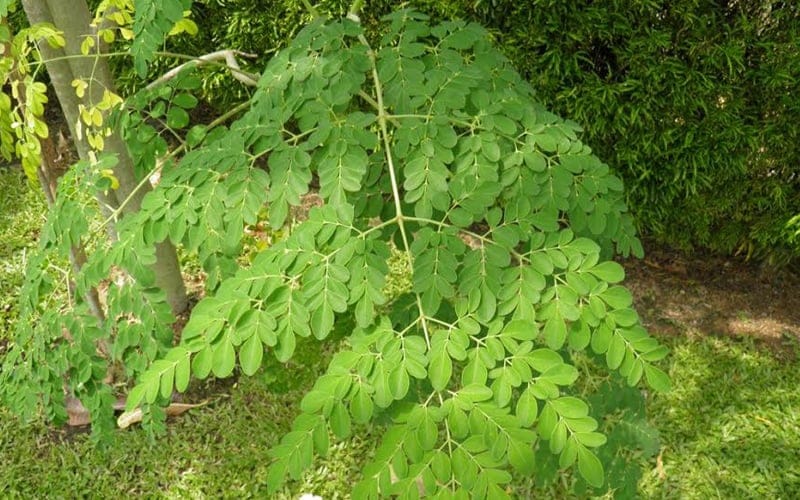
Many households in the Philippines have this miracle tree growing in their gardens. Some know it by its Filipino name, malunggay but its scientific name is moringa oleifera.
It is miraculous for two reasons:
1. It is easy to grow and produces vast amounts of edible leaves. If you start with a seed or a small cutting you will soon have a tall, slender tree.
When it gets too tall for easy harvesting, you just saw off the top, stick the top in the ground and in no time, you’ll have another tree.
2. The leaves (and the seed pods) are said to have amazing health benefits.
According to a Philippine newspaper, these are some of the supposed benefits of the malunggay tree:
- Gram for gram malunggay contains four times more Vitamin A or beta-carotene than carrots.
- It is also a rich source of vitamin C, many times more than oranges.
- Normally milk is said to be a rich source of calcium but the amount of calcium present in malunggay leaves is way higher than in milk.
- Malunggay leaves are said to contain two times the protein present in milk.
- Bananas are a rich source of potassium. But malunggay leaves contain several times more potassium than bananas.
- Along with potassium, zinc is also found in large quantities in malunggay leaves.
- If malunggay leaves were to be eaten by one and all, the world would be free of anaemia as it contains three times more iron than spinach.
- With all the junk food eaten these days, many people face problems of high cholesterol. Malunggay is traditionally used to help balance cholesterol levels in the body.
- Essential Amino acids are also found in malunggay leaves.
- It is also said to balance sugar levels, hence it is helpful in the fight against diabetes.
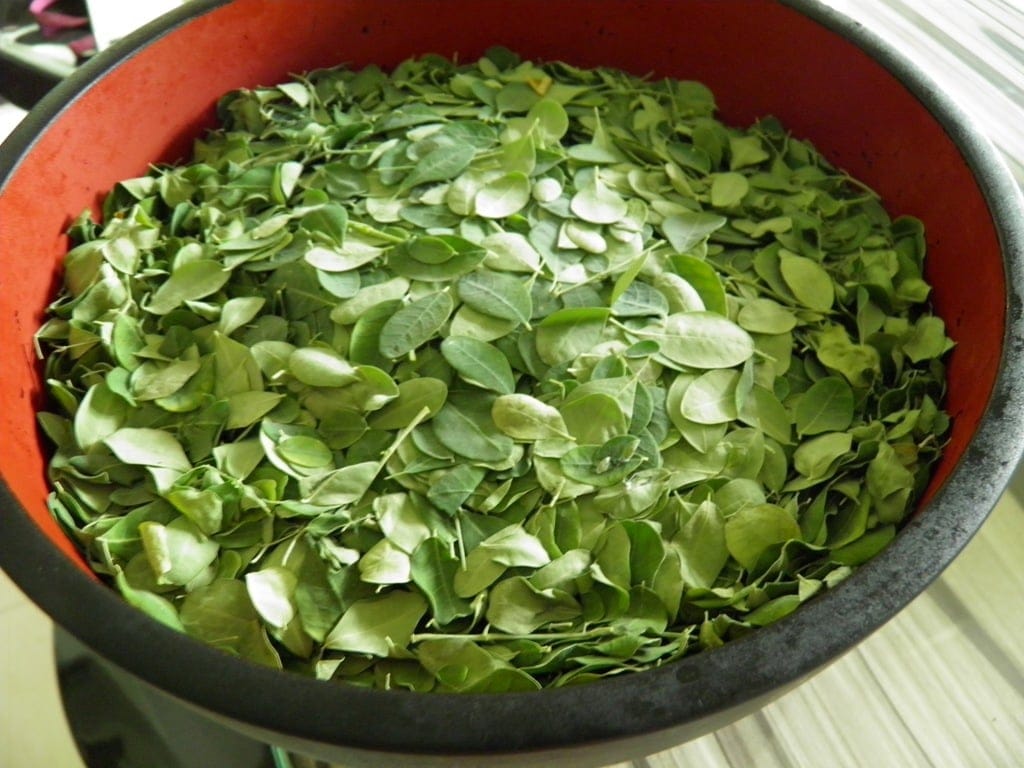
- The body’s natural defence mechanism increases with the consumption of malunggay in the daily diet pattern. Since it is an immunity-stimulant, it is prescribed for AIDS-afflicted patients.
- Its leaves can be consumed to stimulate metabolism.
- It is also said to have digestive powers.
- It is a nutrition booster and is known to promote a feeling of well-being in people.
- If you are looking for non-sugar-based energy, then consuming its leaves is the answer. Thus, it is believed to help in the weight loss process as well.
- The cell structure in the body is stimulated by the leaves.
- It is especially useful for lactating mothers. The consumption of the leaves has shown to dramatically increase the quantity of breast milk.
- It is also well known for its antibacterial properties.
- The paste of the Leaves is said to beautify the skin and is hence applied by women regularly to their faces as a facial. Leave it on till it dries then wash it off. It will leave your skin soft and smooth.
- Consuming the leaves is believed to protect the liver and kidneys.
- It can also be used as a water purifier.
Studies have shown that malunggay can be used to treat a number of illnesses.
Malunggay leaves are good for headache, bleeding from a shallow cut, bacterial and fungal skin complaints, anti-inflammatory gastric ulcers, diarrhoea, and malnutrition.
This is one reason why the Filipino government has used malunggay in its feeding and nutrition programmes.
Internal organs are said to benefit from the vegetable. Malunggay pods are dewormers, good for treating liver and spleen problems, pain of the joints, and malnutrition.
Likewise, malunggay seeds treat arthritis, rheumatism, gout, cramp, STD, boils and urinary problems, and is a relaxant for epilepsy.
There have been claims that malunggay can be used to lower blood pressure as well as its being an anti-tumour plant.
So, what is the best way to consume these leaves?
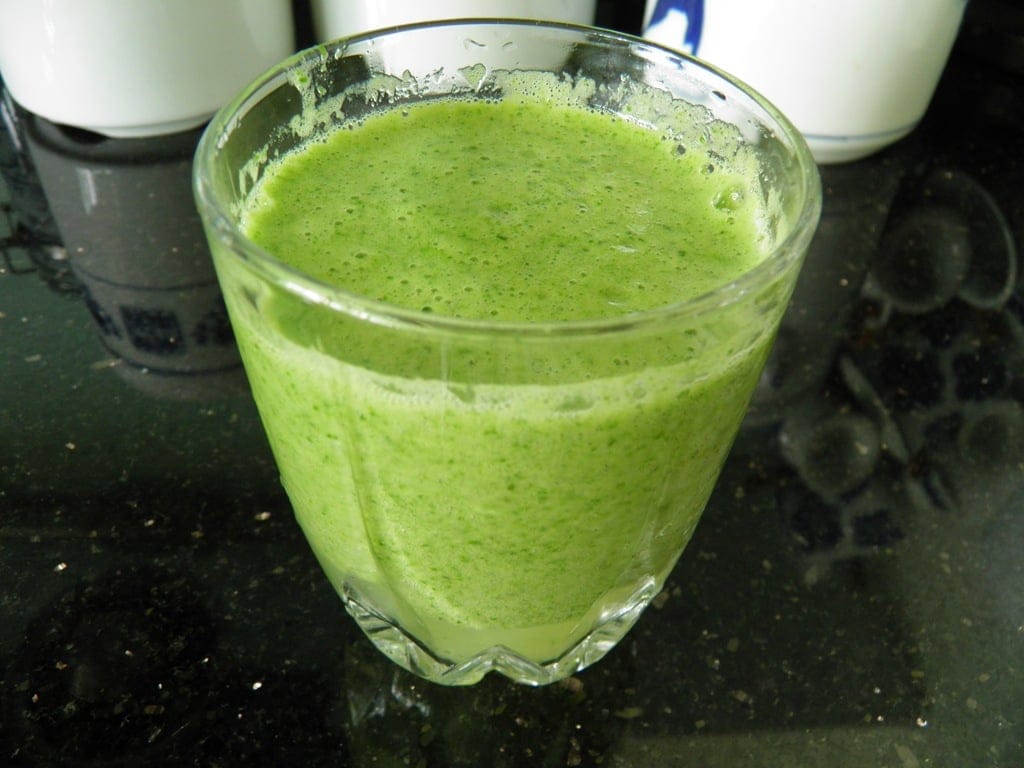
Like many vegetables, nutritional value is highest when consumed raw. The taste is not wonderful, something like grass mixed with raw peas.
The best way to consume malunggay raw is probably to liquidize it and mix with a fruit juice, like this guyabano/malunggay concoction shown above.
Most people cook the leaves and eat them like spinach. A classic Filipino dish is tinola, a chicken stew made with green papaya, ginger and malunggay leaves.
The leaves can be used in western cuisine too. They make a tasty addition to leek and potato soup, for example. They can also be added to pesto sauce.
This article first appeared on Thrifty Traveller.