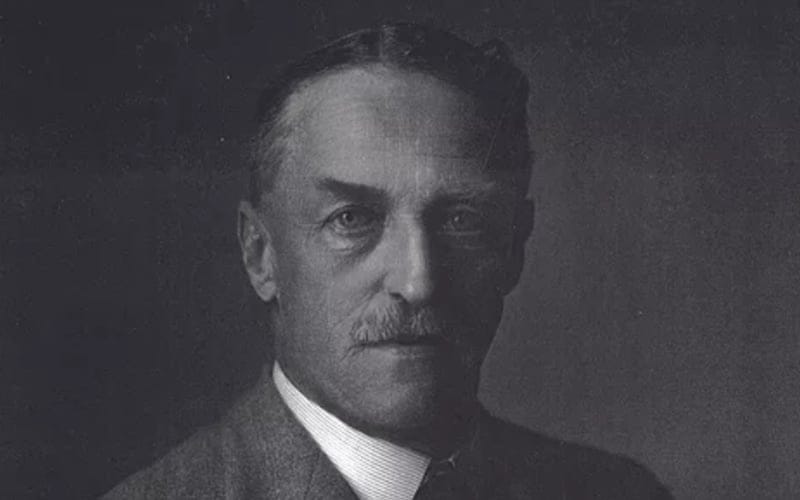
What do the following buildings have in common?
- Ipoh Railway Station
- Ipoh Town Hall
- Former British residency, Seremban
- Former state secretariat, Seremban
- The White House of Klang
- Masjid Jamek, Kuala Lumpur
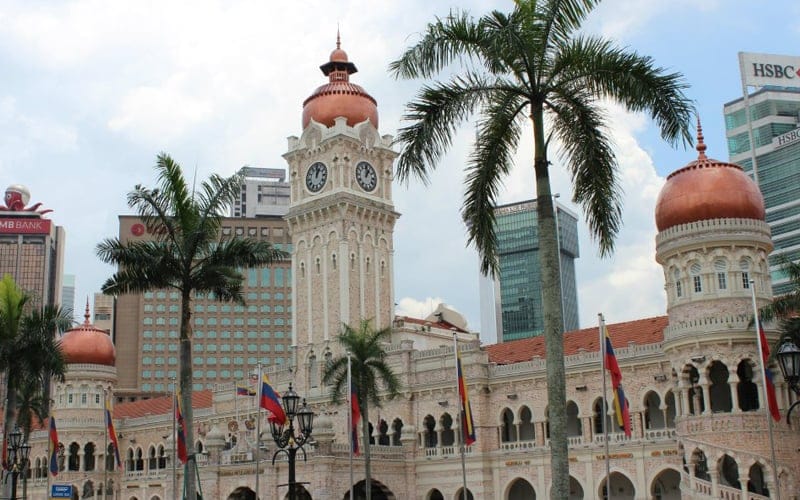
- Old City Hall, KL
- Old Post Office, KL
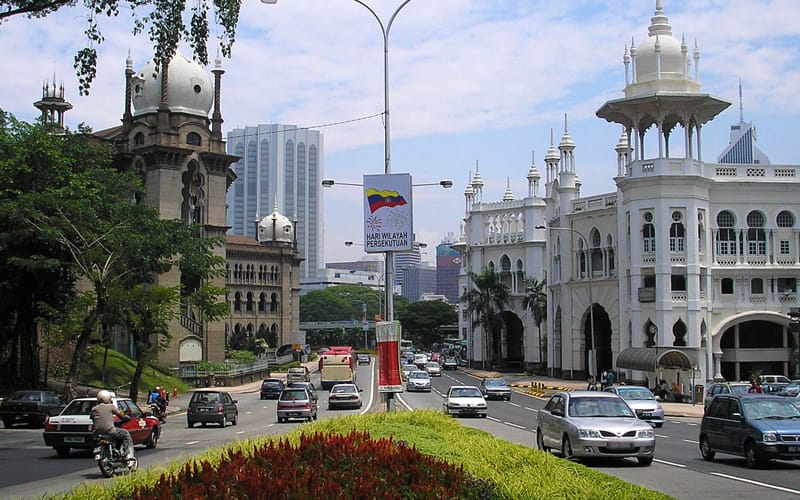
- KL Railway Station
- Railway administration building, KL
- Former Federated Malay States Railway (FMS) headquarters, KL
- Terminal offices of the FMS Railway, Penang
- Ubudiah Mosque, Kuala Kangsar
All of them were designed by the same man, Brigadier-General Arthur Benison Hubback, a draughtsman and architect with the public works department of the FMS.
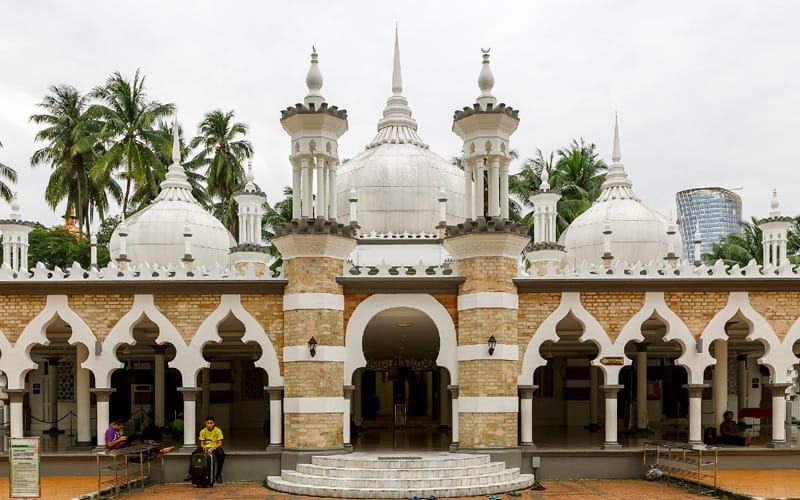
These buildings were designed and built about 100 years ago, plus or minus 14 years (1897-1917). He designed many more structures including the Kowloon Canton Railway Terminus in Hong Kong, of which only the clock tower still stands near the Star Ferry pier on the Kowloon side.
He was part of a talented team led by engineer Charles Edwin Spooner, alongside two other draughtsmen, A C A Norman and R A J Bidwell, who were also credited for the design of Kuala Lumpur’s iconic copper-domed Sultan Abdul Samad Building.
These buildings were made to last. The KL Railway Station was built to British standards, which meant the steel columns had to be capable of supporting the weight of up to 2m of snow.
Even with the freak weather the world is experiencing these days, snow in Kuala Lumpur seems unlikely!
When World War I broke out, Hubback enlisted, drawing on his experience as the founder of the part-time Malay Volunteer Rifles. Although he was already in his 40s at the time of joining, he served with great distinction and rose to the rank of brigadier-general.
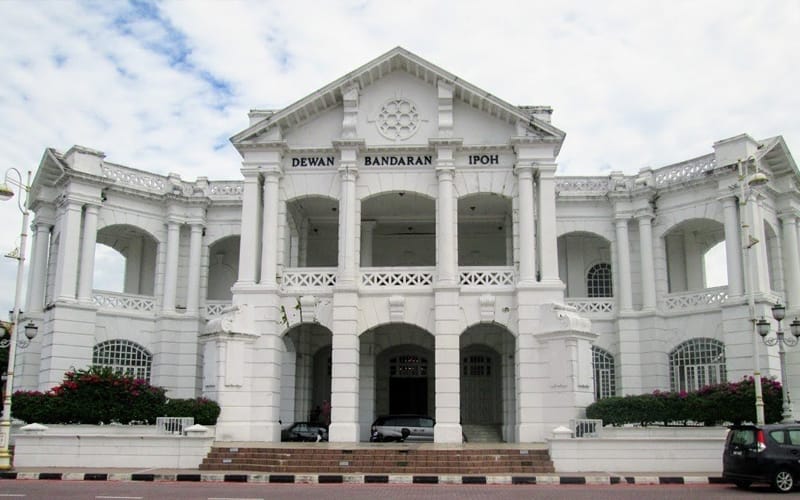
His brothers were also interesting characters. Theodore Rathbone Hubback was an avid game hunter before he championed conservation. He is known for lobbying for the establishment of the King George V National Park, which is now Taman Negara.
His other brother, Bishop George Clay Hubback, was a missionary in India. Note how all three brothers have unconventional middle names!
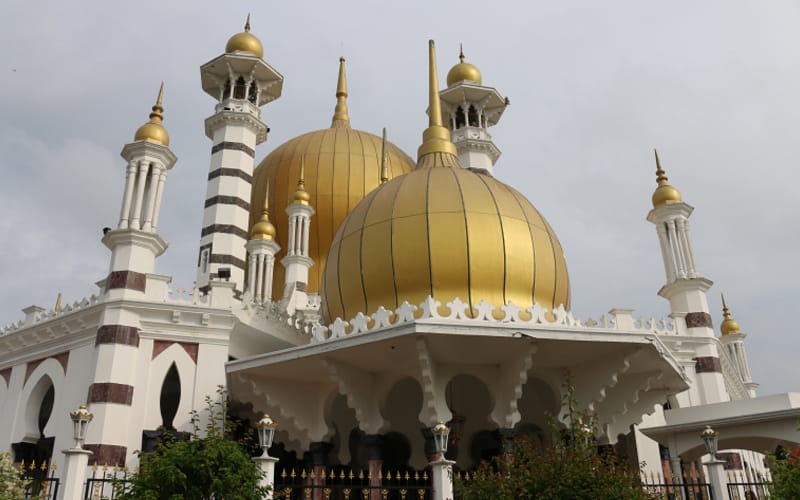
Today it is difficult to imagine the cityscape in Kuala Lumpur and other locations without the contributions of Hubback and his colleagues, which led to the creation of some of Malaysia’s most beautiful landmarks. Happy Merdeka Day!
This article first appeared on Thrifty Traveller.