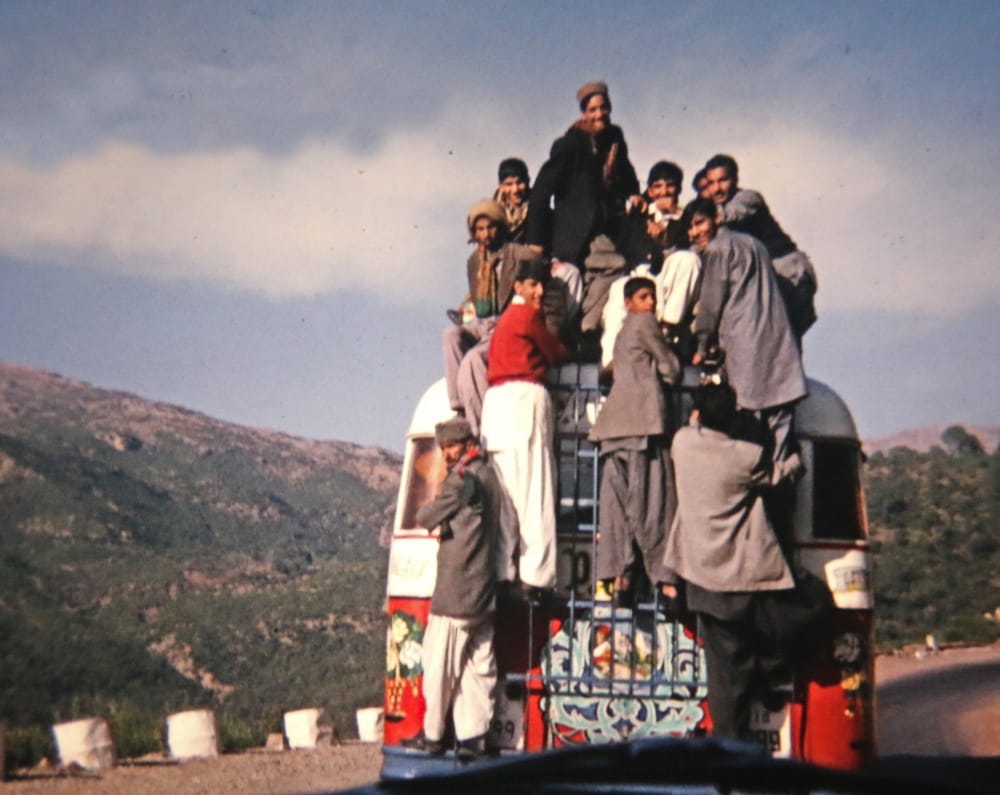
The following is Thrifty Traveller’s first-hand account of his visits to Pakistan in the early 1970s. Also make sure you check out part one of this article.
Islamabad and Rawalpindi
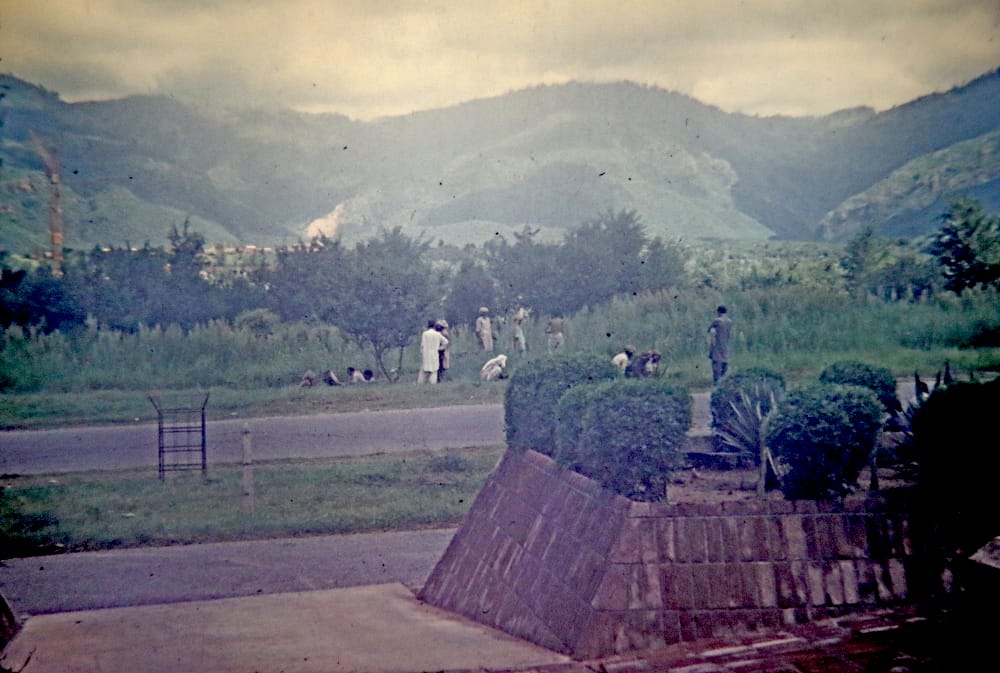
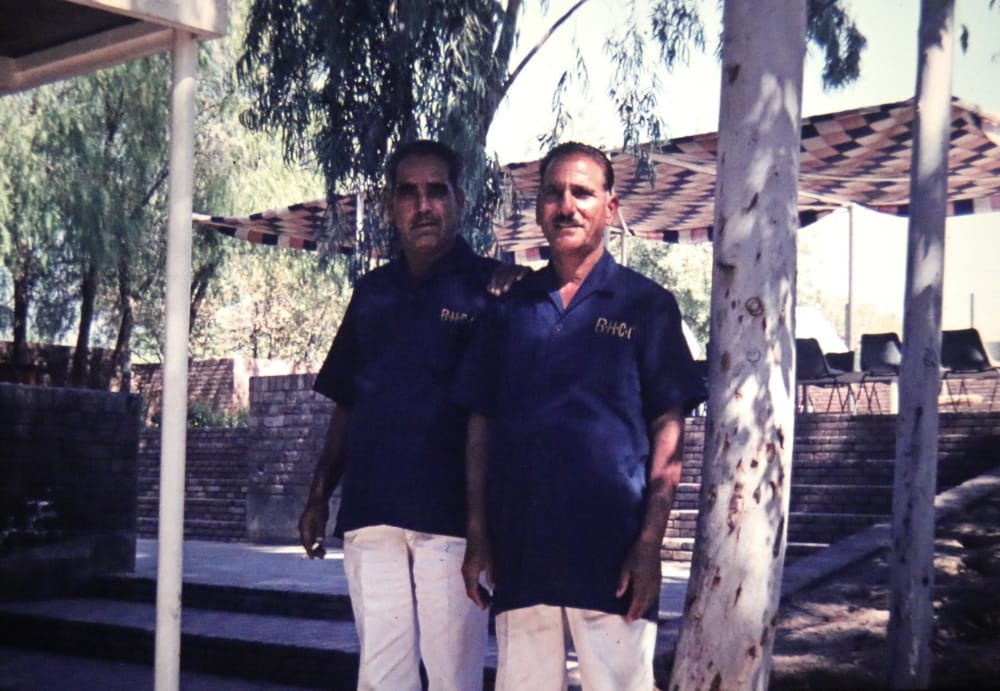
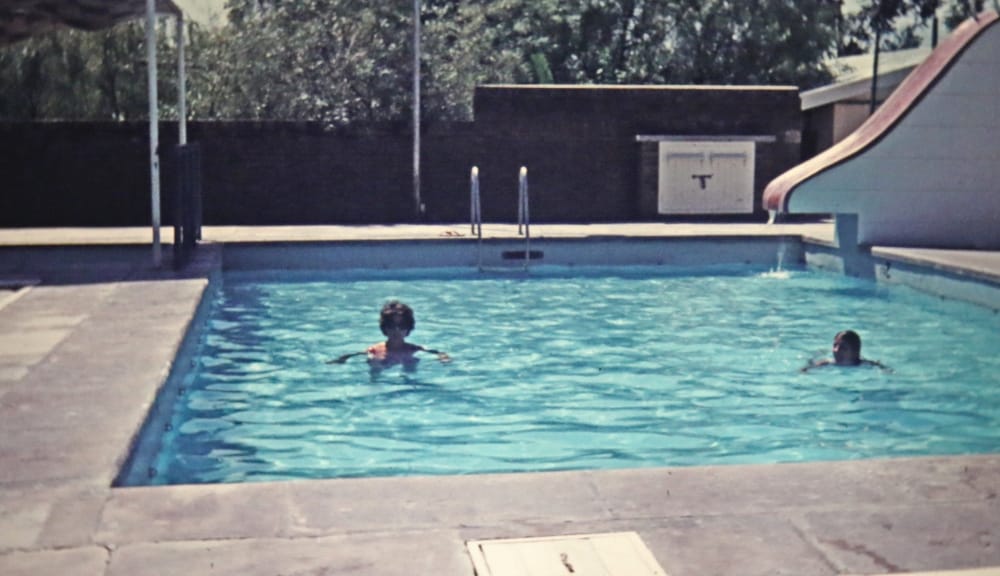
My parents’ house in the British High Commission compound in Islamabad looked out towards the Margalla Hills. The compound had a communal swimming pool, a tennis court and a clubhouse for High Commission employees.
My sister was on what we would call a “gap year” today, which mainly involved lying around the pool working on her tan. She enjoyed the club and learnt she could order a steak and chips and a Swan Lager and just sign for it on our dad’s account.
My sister was young and pretty, so she attracted a good deal of unwanted attention from gawking locals. To better blend in, she sometimes wore locally made trouser suits instead of the short skirts that were in fashion in Europe at the time.
The durzi (tailor) would come to our house with his sewing machine and find a shady spot on the terrace, and in a couple of hours he would create whatever clothes my mum and sister requested.
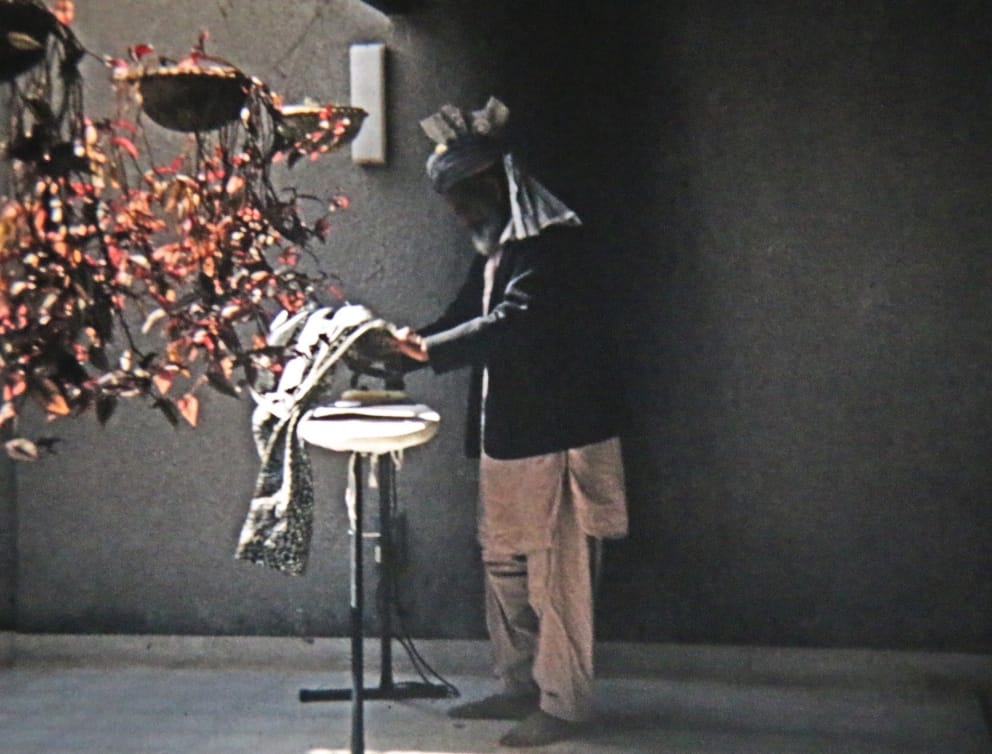
Mum was happy with the house, which was modern and simply furnished by the British Ministry of Works. On arrival in Pakistan she was told she should hire a cook, but she had difficulty finding one who could live up to her exacting standards and they didn’t stay long.
The record was Mohamed, who was fired on his first day. Mum sent him to the market to buy a few things, and he came back with some scraggy old mutton and tried to cheat her out of the change.
She decided then not to bother with a cook. She was always a good cook, anyway.
When Pakistan became independent in 1947 its capital was Karachi, but in 1958 the government started looking for a site for a new national capital.
It selected a plateau below the Himalayan foothills about 21km away from Rawalpindi. A Greek architect-town planner was chosen to design the master plan of a new city to be named Islamabad, with spacious, verdant avenues arranged in a grid.
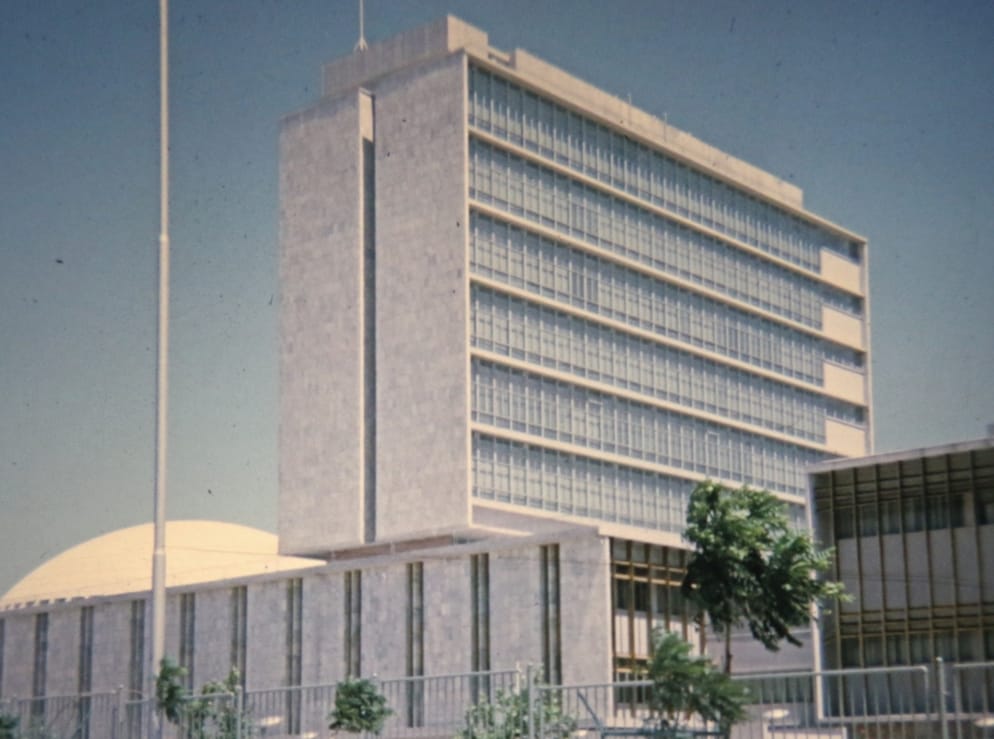
Construction began in the 1960s and the British High Commission compound was still incomplete during my parents’ time.
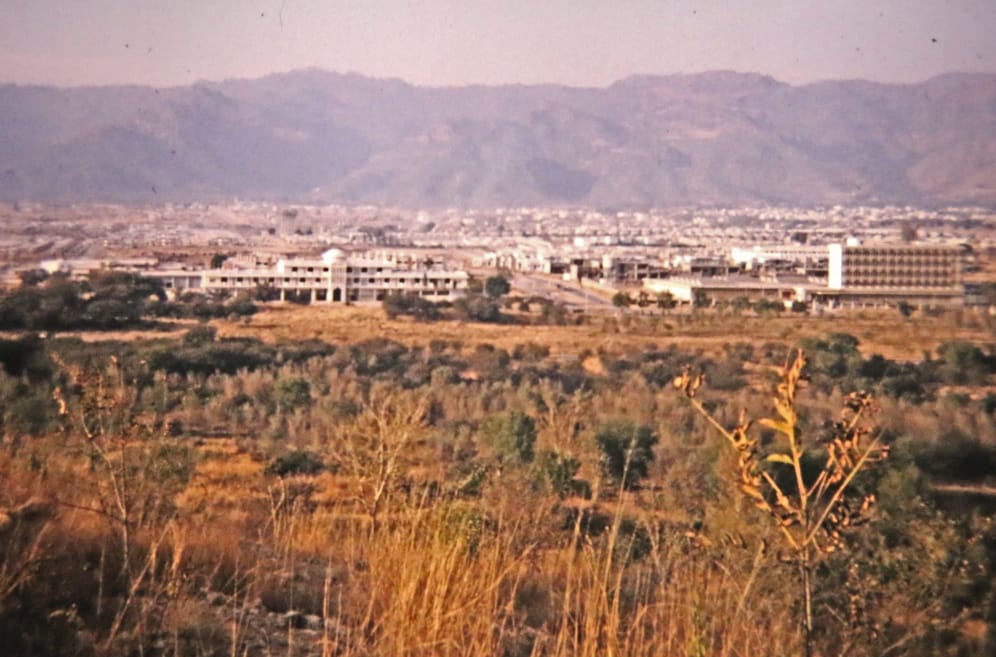
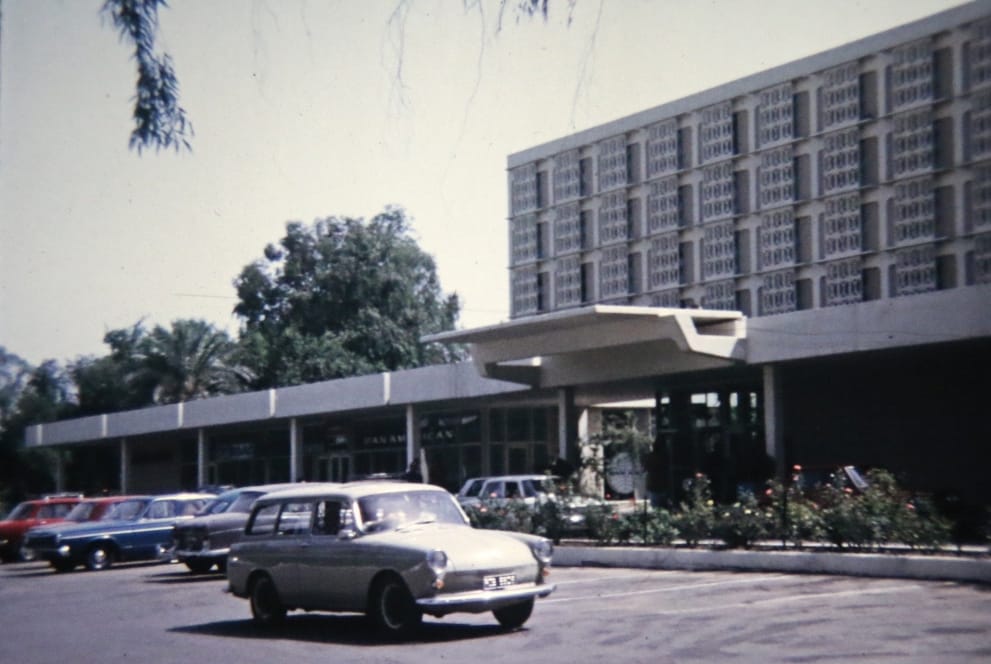
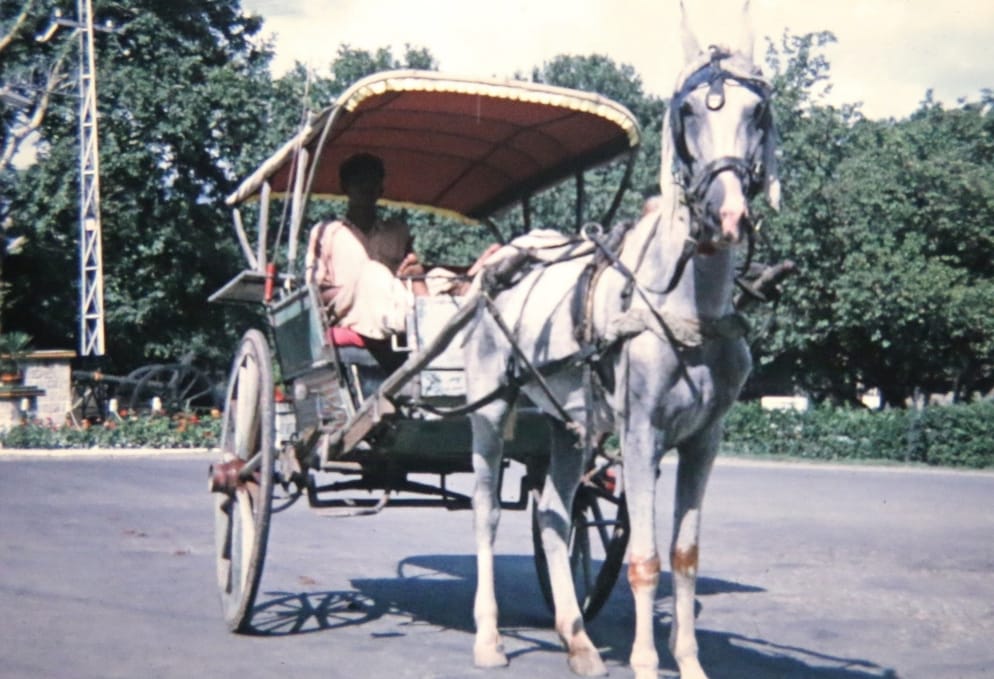
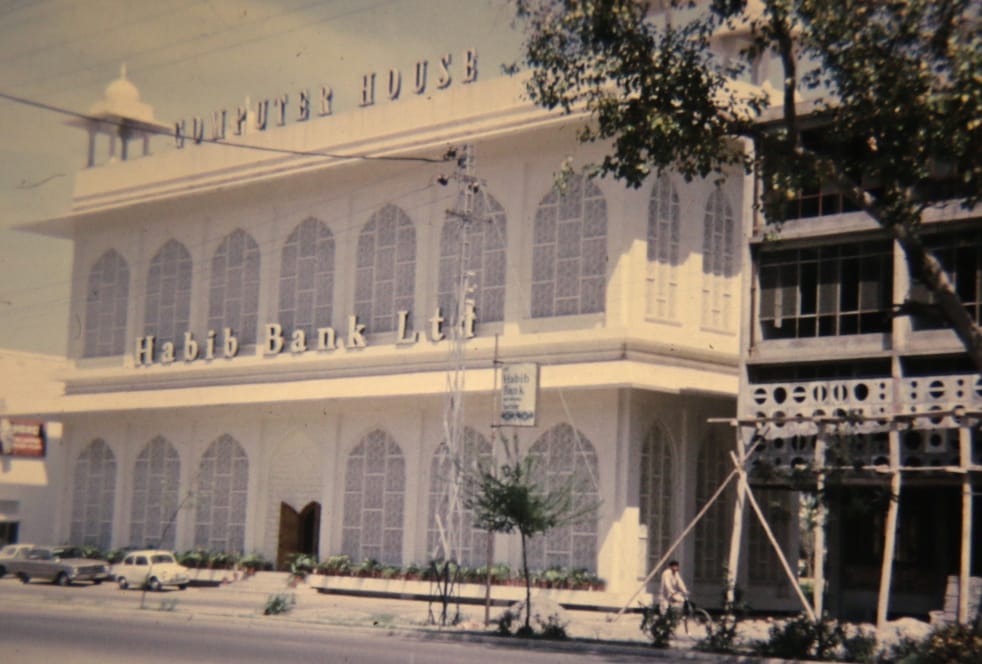
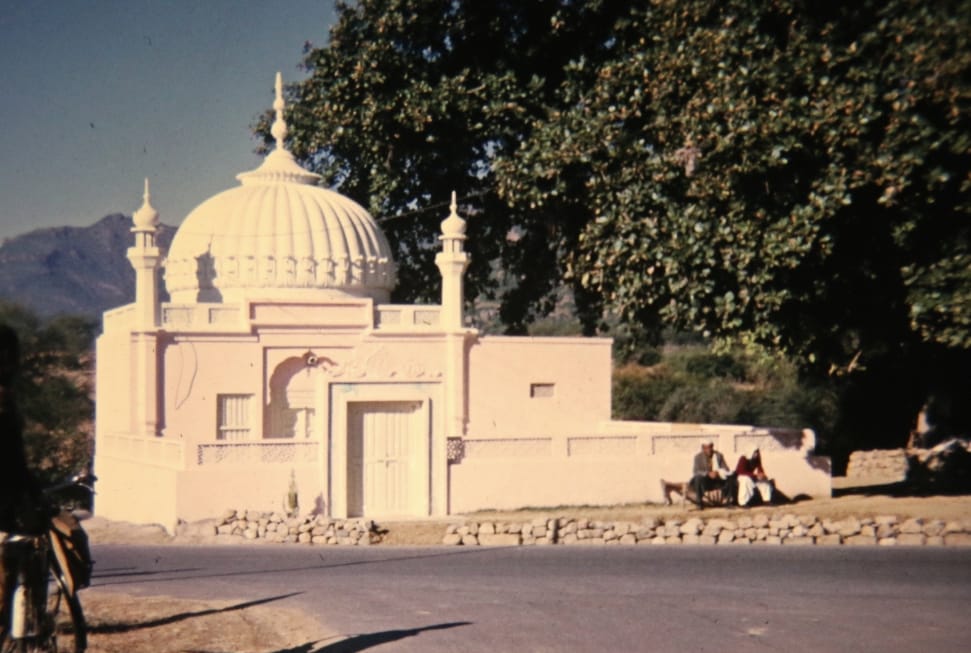
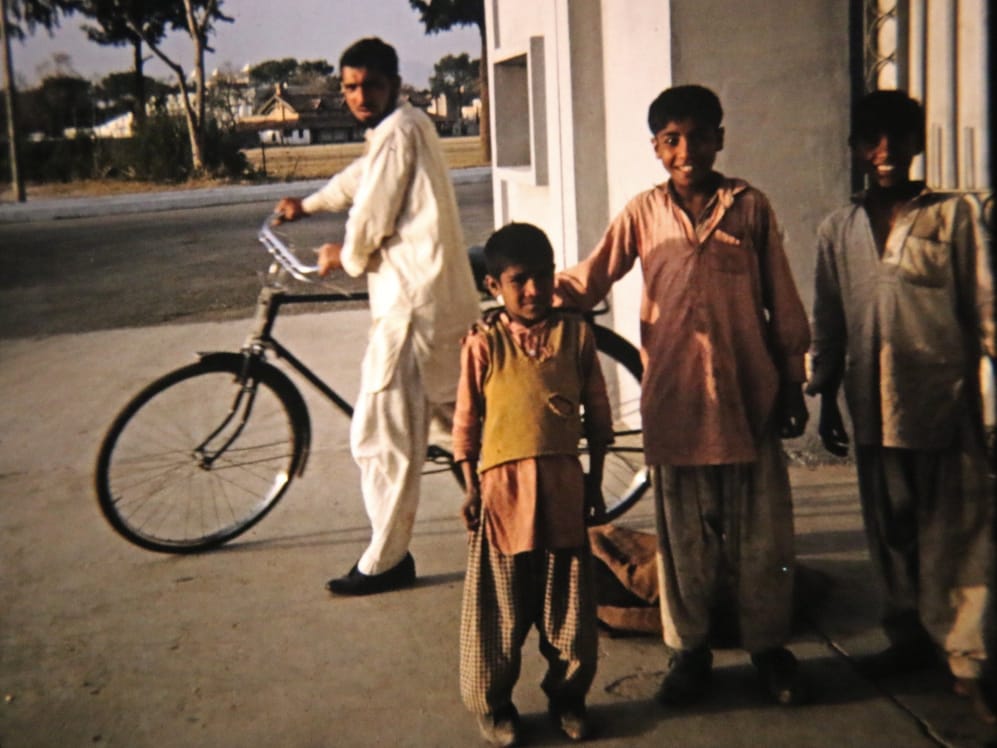
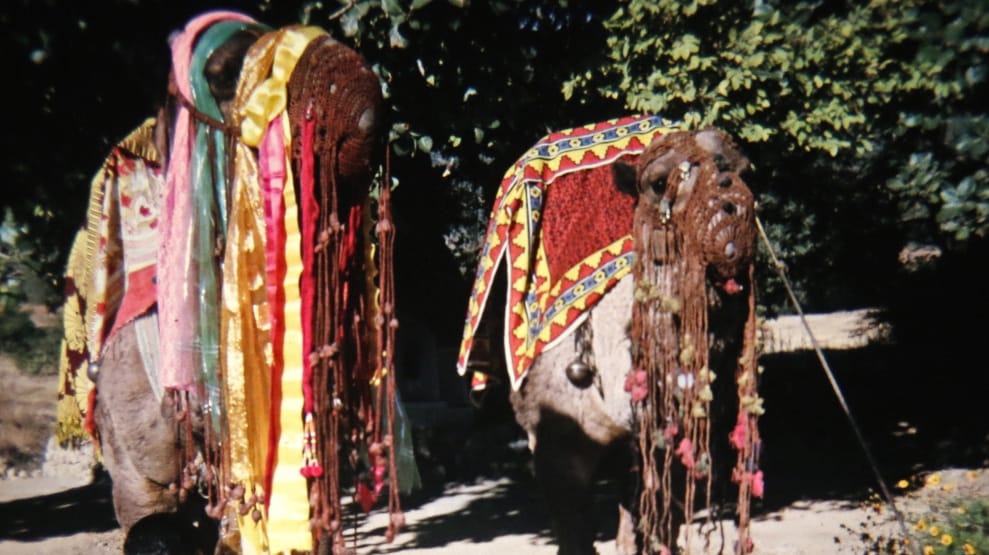
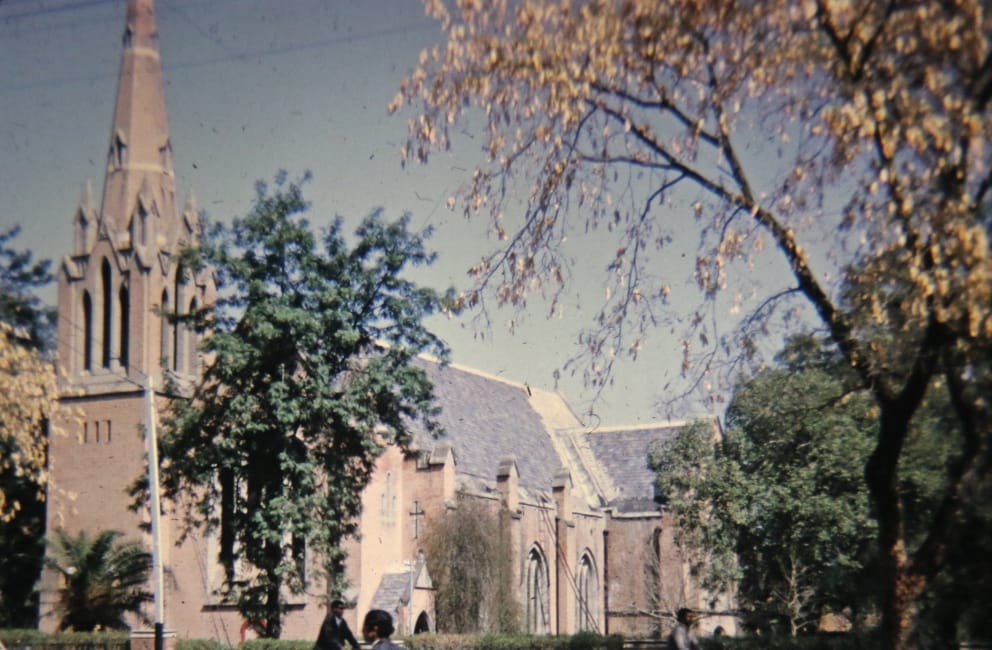
It would be lovely to go back to Islamabad, Rawalpindi and Murree to see how things have changed.
This article first appeared in Thrifty Traveller.