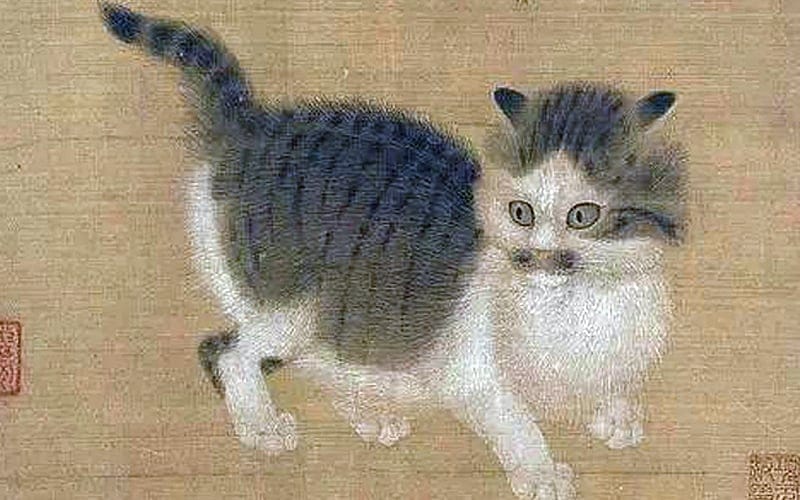
For millennia, they have been watching and looming over humanity, ensnaring countless helpless people with their irresistible charms.
Aliens? Lizard people? Of course not! Though that said, cats tend to have some bizarre habits, as any cat owner would tell you.
When discussing ancient cultures and their relationships with their feline overlords, the ancient Egyptians come to mind frequently.
Yet, cats hold a lofty spot in Chinese culture as well. According to historians, domesticated cats have been a part of Chinese society since prehistoric times.
If they were so important, why didn’t the cat end up in the Chinese zodiac then? There’s actually a myth that explains why this is the case.
According to the myth, the divine Jade Emperor organised a race for the animals of the earth, with 12 spots on the zodiac as a prize.
The cat and the rat, two best friends, joined the race together and hitched a ride on the ox to cross a river.
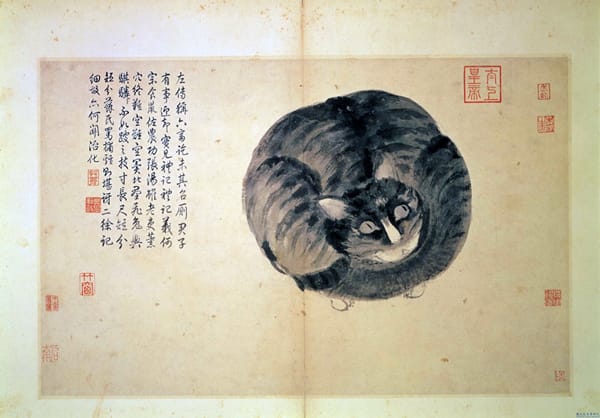
During the crossing, the rat, worried the cat would beat him to the finish line, pushed the cat overboard.
Though the cat escaped drowning, he lost his chance to be on the zodiac, after which he vowed to hunt down the rat for his betrayal.
While native leopard cats were the first to curl up in the laps of ancient Chinese people, more feline breeds began appearing once the Silk Road was established.
Cats were kept by members of both lower and upper classes, with farmers rearing cats as rat-catchers, while the nobility simply wanted cuddly companions.
The ancient Book of Rites also mentions a ritual where the emperor would make a sacrifice to a cat deity, asking for feline protection against the verminous hordes!
Some emperors were also cat lovers themselves, with at least one emperor burying his pet cat, named “Dragon”, in an elaborate tomb with a golden coffin.
The popularity of cats in China would reach its peak in the Song Dynasty (960–1279), when they became the subject of poems and paintings.
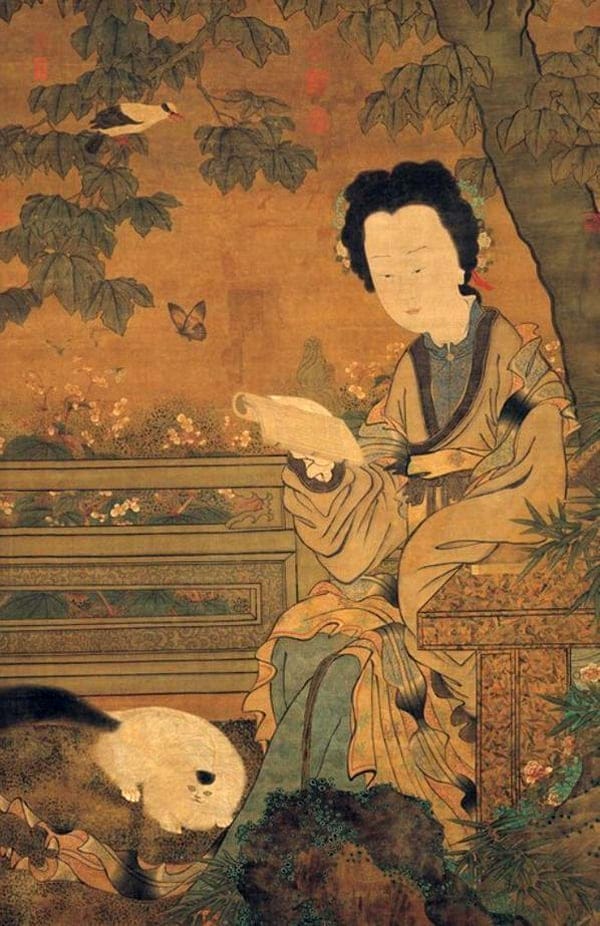
One of the most amusing stories involving cats comes from the famous poet Lu You (1125-1210), who wrote a series of poems on his experiences with his pet cats.
In the first poem, he tells how he traded a pricey bag of salt for a cat to protect his book collection from rats.
His next poem describes how the cat was a warm and fluffy companion, comparing it to a valiant soldier with how diligently it hunts down rats.
Lu You would go on to adopt another cat, which he named Snowy, a good companion that Lu likened to his child.
The affection doesn’t last though. In the subsequent poem, he complains: “Night after night you used to massacre rats… So why do you now act as if you live within palace walls; eating fish every day and sleeping in my bed?”
Modern cat-owners are likely to relate to Lu’s annoyance as his next poem complains about how his cats enslaved him.
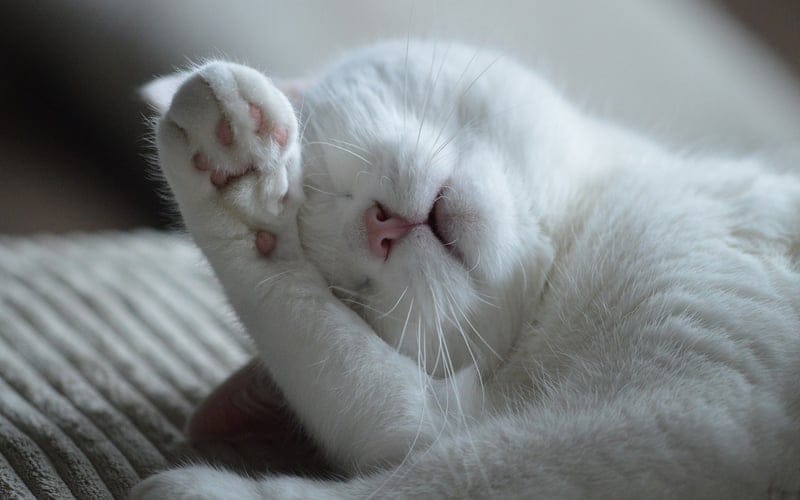
In it, he moans about how he never scolds his cats for abandoning their duties and how he feeds them fish on time, but all they do now is just sleep and run around.
Despite his exasperation, he probably never lost his love for cats, since a later poem would describe how he spent a rainy day: “Me and my cat are not leaving the house.”
And in one last poem, he wrote about how his friends are far away and how alone he is, but how he is kept company by “my fat cat”.
Other writings of the time would also indicate people back then too were aware of the effects of catnip on felines, describing affected cats as “drunkards”.
Adopting a cat was serious business back then, with records showing that wannabe cat owners had to pay an expensive dowry to get their hands on a new pet cat.
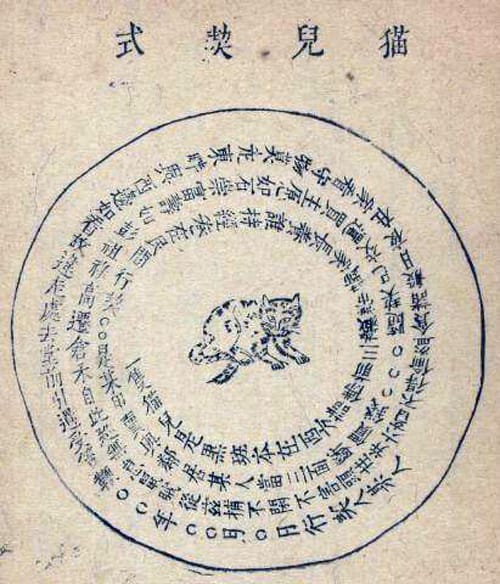
There was also a ceremony of sorts when welcoming a cat into a household; one had to do it on an auspicious day and the cat was to be gifted with a treat.
To ensure that the cat would serve its new family well, there was also a ceremony where the cat was made to “bow” to the Kitchen God in a show of respect.
Certificates were also issued to the new cat owners, often with religious inscriptions asking for divine intervention so the cats would do their jobs.
Today, cats remain beloved pets in many Chinese households, with cat lovers sometimes jokingly called “māonú” (slave to cats) or “chǎnshǐguān” (excrement removal officer).
How strange it is that despite how things have changed since ancient times, the relationships humans have with cats has barely changed over the centuries.