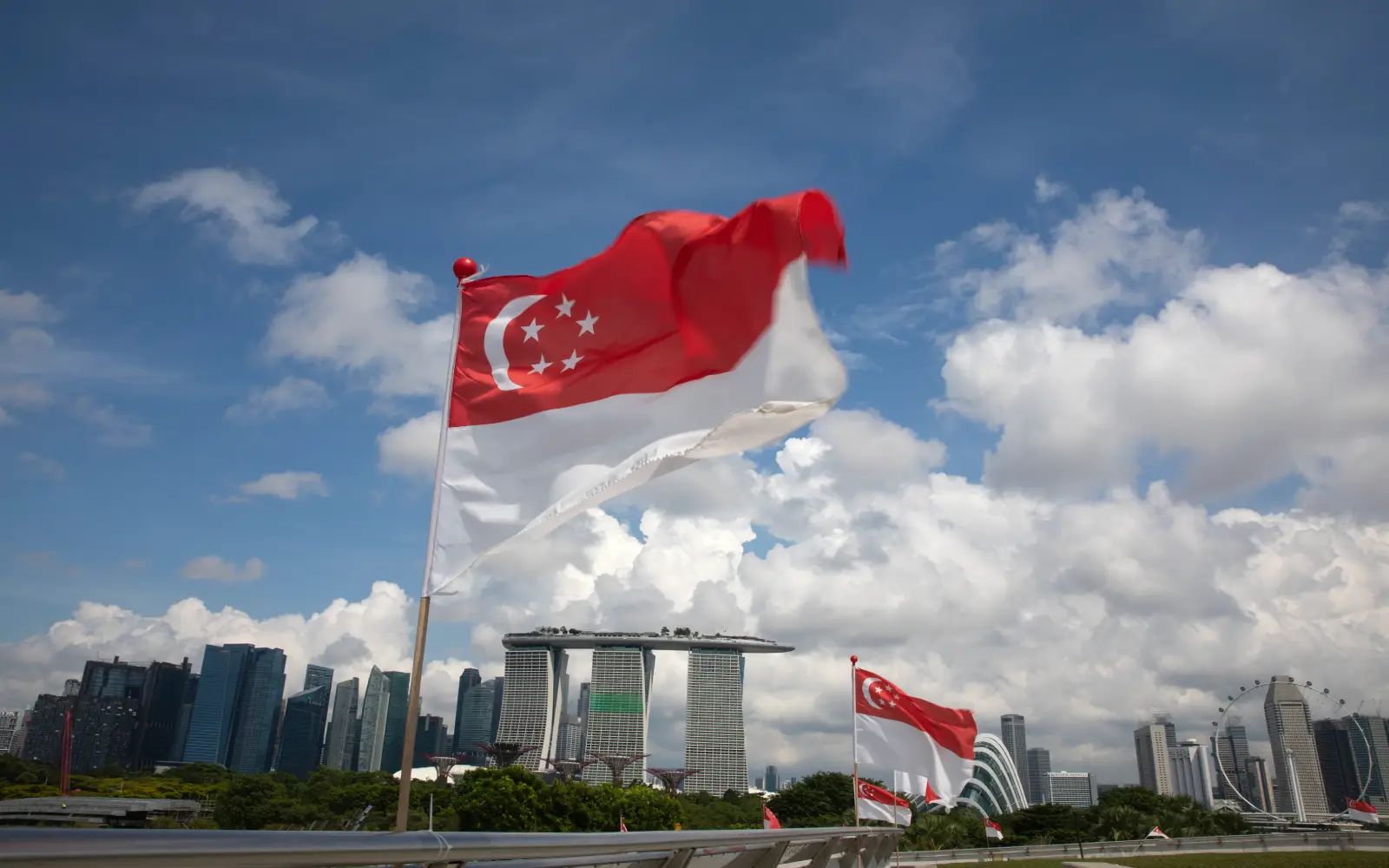
The city-state, one of the world’s richest nations, also published for the first time a measure of wealth inequality, which is higher than the income gap.
The country’s Gini coefficient after government transfers and taxes was 0.379 in 2025, compared with 0.437 in 2015, according to a study by the finance ministry on income and social mobility trends published on Monday.
Singapore recently updated its methodology on the income inequality metric to factor in other sources like rental income and investments. Previously, the figure was measured based only on income from employment.
The narrower income gap comes as residents saw real income growth over the last decade, with those in the lower-income bracket experiencing higher real income growth.
“We are refreshing our approaches and renewing our social compact,” Wong said in a video posted on YouTube. “Every Singaporean has real and meaningful opportunities to progress, and we continue to move forward together, even amidst a more challenging global environment.”
The Gini coefficient for wealth is estimated at 0.55, compared with the Gini coefficient for income which is 0.38 after taxes and transfers, according to the finance ministry’s study. The study noted that wealth inequality is “broadly comparable to that of other advanced economies”.
Singapore has been trying to navigate a tricky balance. The city has strived to keep inequality low without excessively taxing the rich, including high net worth foreigners. Wong’s government has raised taxes on high-end property and cars and warned that Singapore risks losing out to other hubs seeking to woo wealthy foreigners if it’s too heavy handed.
Over the years, the island has provided housing and healthcare subsidies to ensure affordability as well as cash handouts to help residents cope with rising costs. It is also boosting efforts to invest in early childhood education to try and close the gap from the start.