
Bariatric surgery is a surgical intervention to treat obesity, particularly for those who fail to find success with pharmacological intervention and lifestyle modification.
In recent years, the surgery has gained more traction with medical professionals and the general public.
Its success in treating morbid obesity and cardiometabolic problems has earned itself the moniker “miracle surgery”.
Despite an increasing number of surgeons taking up the speciality and more people undergoing the operation, there seems to be a glaring disparity when it comes to who can actually afford it.
Going through the list of people who have undergone the surgery, other than those who have received aid through external fundings and sponsorship, it is almost impossible to find patients who are from the B40 community.
The obvious reason is the cost factor as any type of bariatric surgery in Malaysia will set you back at least RM30,000. With such a hefty price tag, only those with deep pockets are able to afford it.
These include celebrities, public figures, corporate leaders and those from well-to-do families.
Though the price is justified, it cements the divide in access to surgical treatments for obesity between the upper echelons of society and the rest.
Reasons for insurance coverage for bariatric surgery
Although a growing number of the M40 and B40 communities are subscribing to various medical insurance policies offered in the country, none cover the cost of bariatric surgery.
As a result, patients may only enjoy access to pharmacological treatment for obesity-related diseases.
Here are two main reasons why insurance providers in Malaysia should lean towards covering bariatric surgery.
1. Obesity is a pervasive and well-defined disease
That’s right, contrary to popular belief, carrying around excess fat is not merely a condition anymore but a well-defined chronic relapsing disease.
This definition is agreed upon by health experts from various organisations such as The World Obesity Federation, American Medical Association (AMA) and the European Association for the Study of Obesity (EASO).
The same notion is shared by the medical community in Malaysia and the Ministry of Health (MoH), along with relevant organisations, who are working to produce the first Clinical Practice Guideline (CPG) on obesity.
The CPG will include bariatric surgery as a treatment option which would establish its role in standard practice.
The formalisation of obesity as a disease and bariatric surgery as a treatment option would also incentivise insurance companies to start covering obesity and its treatment.
Since most diseases covered under medical insurance are common local diseases, it makes perfect sense to do the same with obesity, given Malaysia’s notorious status as the fattest nation in Southeast Asia, with nearly one-third (30.6%) of the population tipping the scale.
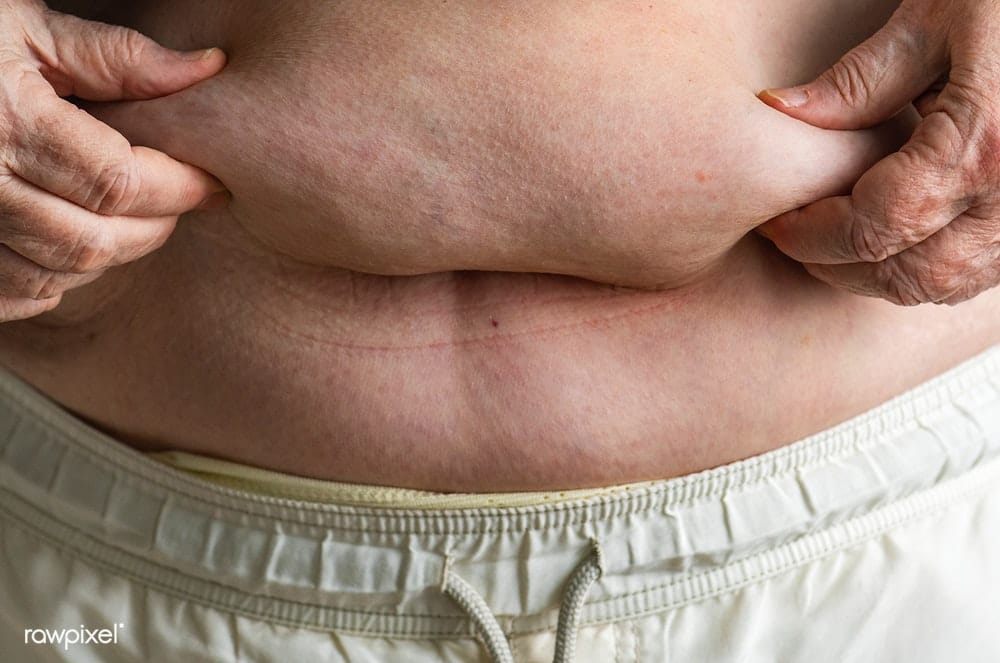
2. Cost-effective and reliable in treating morbid obesity
When a person suffers from obesity, they most likely carry two or more different diseases with them.
Common diseases associated with obesity include diabetes mellitus, stroke, hypertension, osteoarthritis, polycystic ovarian syndrome and obstructive sleep apnoea.
For morbid obesity, no treatment is more superior than bariatric surgery. Not only does it help bring down a person’s weight, it also helps manage other diseases associated with obesity.
Following surgery, one can expect a significant reduction in symptoms and severity of other associated diseases.
Under the status quo, each disease that an obese person carries is treated using different drug regimes, with some requiring two or more types of drugs.
This means that they would have to consume much more medications over a long period.
The chronicity of their conditions would not only predispose them to the risk of toxicity and non-compliance, it would also spike the cost of treatment.
Surgery, on the other hand, is a one-off cost that has been proven to be more cost-effective in the long-run.
While it is too soon to foresee the paradigm shift, efforts are currently underway.
Other than the medical community and the MoH, private sector players such as Johnson & Johnson are also working to improve the standard of care for the treatment of obesity.
In conjunction with World Obesity Day 2019, Ethicon, part of the Johnson & Johnson family of companies, recently launched a campaign to help more Malaysians reclaim their lives with bariatric surgery.
The campaign took place on October 2, 2019 in Sheraton Hotel, Petaling Jaya. With the hashtag #myliferenewed, Ethicon hopes to create awareness on the burden of obesity and the existence of effective surgical intervention for it.
This certainly serves as a beacon of hope to the possibility that insurance companies in Malaysia will recognise obesity as a national pandemic and realise substantial coverage.
This article first appeared on Hello Doktor and was medically reviewed by Panel Perubatan Hello Doktor. The Hello Health Group does not provide medical advice, diagnosis or treatment.